




















Содержание статьи:
- Традиционная отделка: почему она отнимает время и нервы
- Долгие циклы высыхания
- Зависимость от человеческого фактора
- Грязь, пыль, риски для здоровья
- Высокая стоимость при сомнительном результате
- Сухая отделка: философия скорости и долговечности
- Монтаж за дни, а не за месяцы
- Заводское качество вместо ручного труда
- Экологичность и безопасность
- Стеновые панели: архитектура стены без штукатурки
- Классическая буазери — статус и благородство
- Модульные системы для быстрого монтажа
- Возможность скрыть коммуникации
- Разнообразие стилей и отделок
- Погонажные профили: графика интерьера без лепнины
- Молдинги — линии, задающие архитектуру
- Карнизы потолочные — вместо гипсовых багетов
- Плинтусы — функциональная и эстетическая деталь
- Наличники — обрамление проёмов с характером
- Практические сценарии: где сухая отделка показывает себя лучше всего
- Загородные дома: скорость в условиях сезонности
- Квартиры в новостройках: без ожидания усадки
- Коммерческие помещения: время — деньги
- Реконструкция исторических зданий: деликатность и скорость
- Технология монтажа: как это работает на практике
- Подготовка основания — минимум усилий
- Монтаж панелей — быстро и чисто
- Финишная доводка — без шлифовки и покраски
- Экономическая целесообразность: считаем деньги и время
- Сравнение стоимости: дерево vs штукатурка+лепнина
- Экономия времени — главный актив
- Долговечность — инвестиция в будущее
- Эстетика и стиль: дерево как универсальный материал
- Классика: дворцовая роскошь
- Современность: чистые линии и натуральная текстура
- Эклектика: свобода сочетаний
- Почему STAVROS — правильный выбор для быстрой отделки
- Часто задаваемые вопросы (FAQ)
- Можно ли монтировать деревянные панели зимой?
- Сколько времени занимает монтаж панелей в комнате 20 кв. м?
- Можно ли устанавливать деревянные панели в ванной или на кухне?
- Нужно ли выравнивать стены перед монтажом панелей?
- Можно ли красить деревянные панели в другой цвет?
- Дорого ли обходится ремонт повреждённой панели?
- Какая порода дерева лучше — дуб или бук?
- Можно ли заказать панели и молдинги по индивидуальным размерам?

Ремонт в квартире или загородном доме превращается в настоящее испытание, когда речь заходит о традиционных «мокрых» процессах. Штукатурка, шпаклёвка, грунтовка, многослойная покраска — каждый этап растягивается на недели, требует технологических перерывов на высыхание, создаёт пыль, грязь и неудобства. А если нужна декоративная лепнина, добавляются месяцы ожидания и астрономические суммы в смете. Но есть другой путь — быстрая внутренняя отделка без мокрых процессов с использованием стеновых панелей и погонажных профилей, которые монтируются за считанные дни, создают безупречную поверхность и придают интерьеру завершённость премиального уровня.
Такой подход к отделке стен набирает популярность среди заказчиков, которые ценят время, качество и долговечность результата. Вместо того чтобы выравнивать кривые стены килограммами штукатурной смеси, ждать недели высыхания каждого слоя и рисковать получить трещины через полгода эксплуатации, можно сразу установить готовые деревянные панели или обрамить стены элегантными молдингами. Массив дуба или бука, МДФ высокой плотности, точно выверенная геометрия, заводская финишная отделка — всё это позволяет за 5–7 дней превратить голые бетонные или кирпичные стены в образец классического или современного интерьера.
Почему традиционная штукатурка и лепнина уступают место сухой отделке? Потому что строительные технологии эволюционируют, заказчики требуют скорости без потери качества, а производители научились создавать решения, которые монтируются быстро, служат десятилетиями и выглядят даже благороднее, чем «мокрая» классика. Когда на объект привозят уже готовые панели с заводской покраской или лакировкой, когда монтаж занимает дни, а не месяцы, когда не нужны технологические паузы на высыхание — всё это меняет саму философию ремонта. Владелец получает готовый интерьер в десятки раз быстрее, мастера работают в комфортных условиях без грязи и воды, а результат гарантированно стабилен, потому что заводской контроль качества исключает человеческий фактор.


Традиционная отделка: почему она отнимает время и нервы
Долгие циклы высыхания
Классическая штукатурная отделка — это бесконечные ожидания. Нанесли первый слой штукатурки — ждём 3–5 дней высыхания. Затем повторный слой — ещё неделя. Потом шпаклёвка под покраску — минимум двое суток между слоями. Грунтовка, первый слой краски, второй, третий... Каждый этап требует технологической паузы. В итоге от голой кирпичной кладки до готовой окрашенной стены проходит минимум месяц, а реально — полтора-два, если учесть зимние температуры или высокую влажность, которые замедляют процесс ещё сильнее.
Лепной декор добавляет к этому марафону ещё несколько месяцев. Гипсовая лепнина изготавливается на заказ, требует ручной работы мастеров высокой квалификации, монтируется на специальные клеи, которые тоже долго схватываются. Каждый карниз, каждая розетка, каждая филёнка на стене — это отдельная история со своим графиком. В результате сроки сдачи объекта сдвигаются, бюджет растёт из-за дополнительных визитов бригады, а заказчик теряет терпение.
Наша фабрика также производит:






Смотреть весь Каталог продукции
Зависимость от человеческого фактора
Качество штукатурных работ целиком зависит от квалификации мастера. Даже у одной бригады разные участки стены могут получиться с разной степенью ровности. Углы «гуляют», плоскость «волнит», а после покраски все дефекты проявляются с удвоенной силой под боковым освещением. Исправить брак сложно — приходится снимать слои, переделывать, ждать нового высыхания. Гипсовая лепнина тоже живёт своей жизнью: со временем могут появиться микротрещины на стыках, элементы начинают отходить от основания, особенно если в помещении колеблется влажность или температура.
Работа с «мокрыми» процессами требует идеальных условий: температура не ниже +5°C, влажность в определённых пределах, отсутствие сквозняков. Зимой это превращается в проблему — либо ставишь дорогую тепловую пушку и сжигаешь электричество, либо замораживаешь сроки до весны. В загородном строительстве это особенно критично, когда коробка дома готова осенью, а внутреннюю отделку можно начать только после майских праздников.
Получить консультацию
Грязь, пыль, риски для здоровья
Шлифовка шпаклёвки — это облако мелкодисперсной пыли, которая проникает всюду: в соседние комнаты, в вентиляцию, в лёгкие мастеров. Даже с промышленным пылесосом и респираторами работа остаётся вредной. Штукатурные смеси содержат цемент, гипс, полимерные добавки — всё это создаёт специфический запах и требует проветривания. Если в доме уже живут люди (например, делается ремонт одной комнаты), жизнь превращается в ад: пыль, шум, запахи, невозможность нормально готовить еду или спать.
Монтаж гипсовой лепнины тоже не обходится без грязи: клеевые составы, гипсовая пыль при подгонке элементов, необходимость постоянной уборки. А если лепнина монтируется на уже окрашенные стены, риск испортить финишное покрытие возрастает многократно. Защитные плёнки, малярный скотч, аккуратность — всё это удорожает процесс и растягивает сроки.
Высокая стоимость при сомнительном результате
Качественная штукатурная работа с идеально ровными стенами под покраску стоит дорого. Элитная гипсовая лепнина ручной работы — ещё дороже, особенно если речь о сложных барельефах, кессонных потолках или панельных системах в стиле классицизма. В итоге заказчик платит огромные деньги и получает результат, который через 3–5 лет может начать трескаться, отваливаться или требовать косметического ремонта. Гипс гигроскопичен, боится влажности, реагирует на температурные перепады. Окрашенные стены требуют регулярного обновления, особенно в местах активного использования — прихожих, коридорах, детских комнатах.
Сухая отделка: философия скорости и долговечности
Монтаж за дни, а не за месяцы
Когда выбираешь внутреннюю отделку без мокрых процессов, время работы сокращается радикально. Стеновые панели из массива дерева или МДФ монтируются на обрешётку или непосредственно на стену за 3–5 дней в стандартной комнате. Погонажные профили — молдинги, карнизы, плинтусы — устанавливаются за 1–2 дня. Никаких перерывов на высыхание, никакого ожидания «технологического окна». Утром привезли материал, вечером комната уже выглядит завершённой.
Панельные системы поставляются уже с заводской отделкой: лакировкой, окраской эмалью, патинированием, золочением — в зависимости от выбранной концепции интерьера. Это значит, что сразу после монтажа помещение готово к эксплуатации. Можно расставлять мебель, вешать картины, заселяться. Нет запаха краски, нет риска случайно задеть свежеокрашенную поверхность, нет месяцев ожидания, когда «дом проветрится и устаканится».
Скорость — это не только экономия времени, но и экономия денег на аренде жилья, гостиниц, временных помещений. Если ремонт делается в офисе или коммерческом пространстве, каждый день простоя — это упущенная прибыль. Сухая отделка позволяет запустить бизнес-процесс в десятки раз быстрее, чем при традиционном подходе.
Заводское качество вместо ручного труда
Заводское производство деревянных стеновых панелей и погонажных элементов гарантирует стабильное качество каждого изделия. Камерная сушка древесины до влажности 8–12%, обработка на четырёхсторонних строгальных станках с допуском ±0,1 мм на погонный метр, многоступенчатое шлифование абразивами возрастающей зернистости, контролируемое нанесение грунтов и финишных покрытий в окрасочных камерах — всё это исключает человеческий фактор и даёт результат, который невозможно достичь ручными методами на стройплощадке.
Когда мастер шпаклюет стену вручную, он работает «на глаз». Даже с лазерным уровнем и правилом результат зависит от его усталости, освещения, настроения. Заводской станок работает с точностью до десятых долей миллиметра, каждый профиль идентичен предыдущему, каждый угол выдержан с математической строгостью. Когда такие элементы монтируются на объекте, они складываются, как конструктор, без зазоров, перекосов и «доводки напильником».
Финишная отделка на производстве тоже превосходит всё, что можно сделать на месте. Полиуретановые лаки, эмали на водной основе или алкидные составы наносятся распылением в несколько слоёв с промежуточной шлифовкой. Результат — зеркально гладкая, прочная поверхность, устойчивая к царапинам, влаге, ультрафиолету. На стройке такого качества добиться невозможно: пыль, перепады температуры, отсутствие профессиональных окрасочных камер — всё это снижает долговечность и эстетику финишного слоя.
Экологичность и безопасность
Сухая отделка деревом — это экологически чистое решение. Массив дуба, бука, натуральные масла, лаки на водной основе — всё это не выделяет вредных веществ, не создаёт неприятных запахов, не требует длительного проветривания. Дерево «дышит», регулирует влажность в помещении, создаёт комфортный микроклимат. Даже МДФ высокой плотности с классом эмиссии E1 безопасен для жилых помещений, детских комнат, спален.
В отличие от штукатурных смесей, которые содержат цемент, гипс, полимерные добавки, деревянные панели не пылят, не осыпаются, не требуют защиты органов дыхания при монтаже. Работа проходит чисто, тихо, без использования «химии». Монтажники приезжают с шуруповёртом, торцовочной пилой, клеем ПВА или полиуретановым составом — и этого достаточно, чтобы за день обшить целую комнату.
Для людей с аллергией, астмой, чувствительностью к химическим запахам деревянная отделка — единственный разумный выбор. Никаких испарений растворителей, формальдегида, акрилатов. Только натуральный запах дерева, который быстро выветривается и не вызывает дискомфорта.
Стеновые панели: архитектура стены без штукатурки
Классическая буазери — статус и благородство
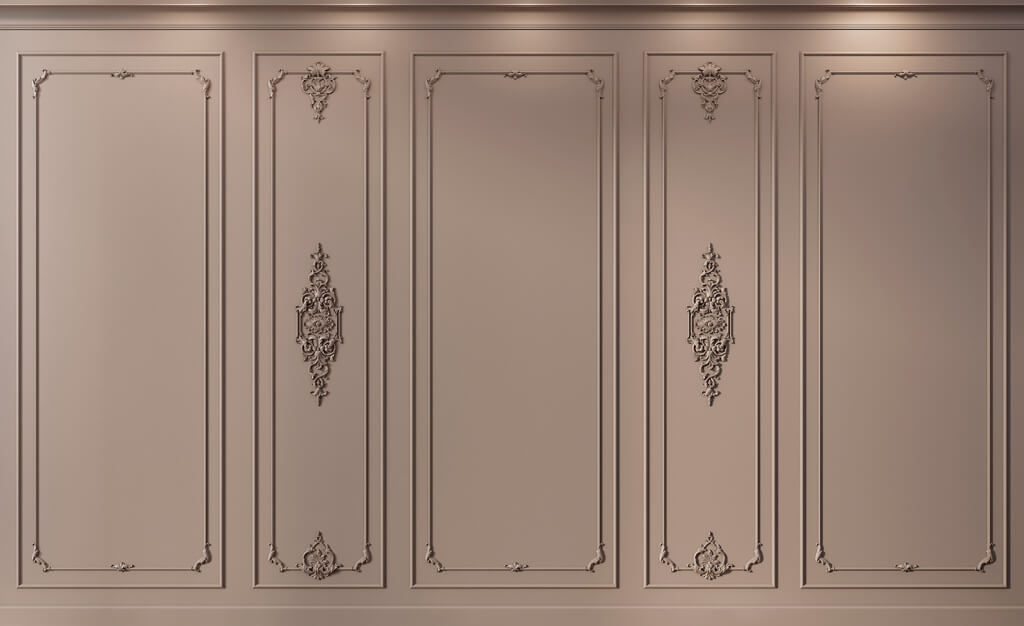
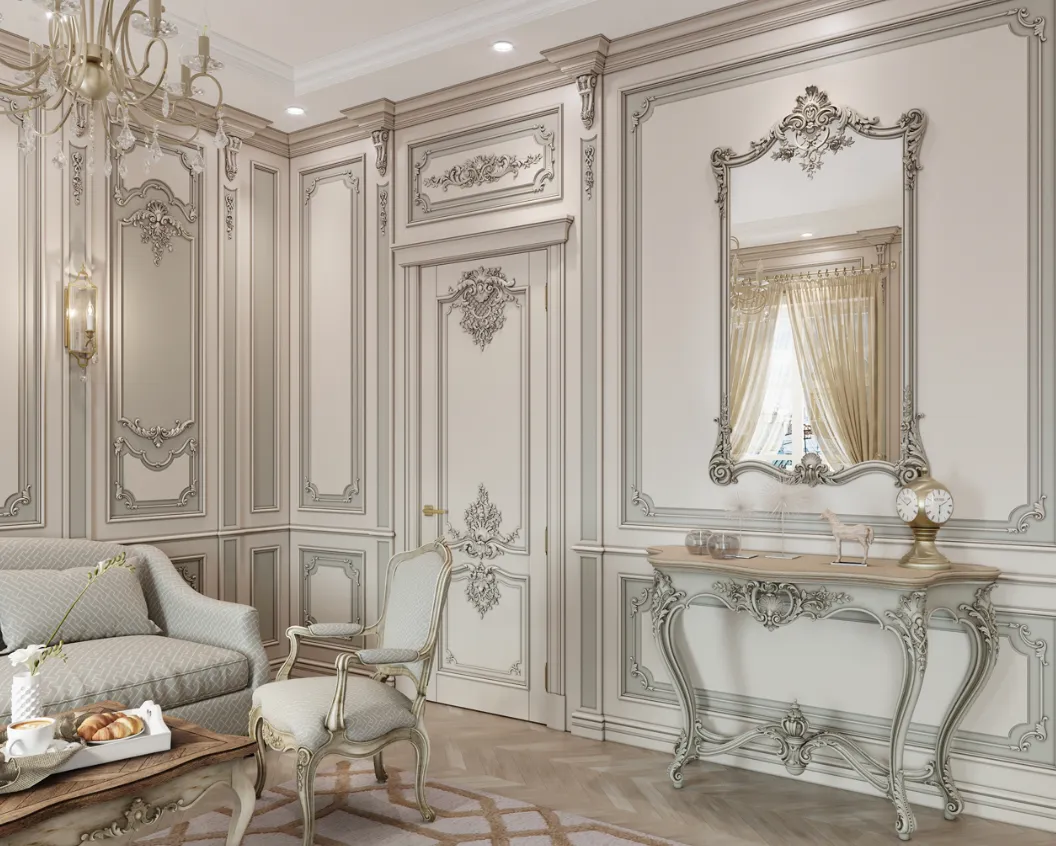
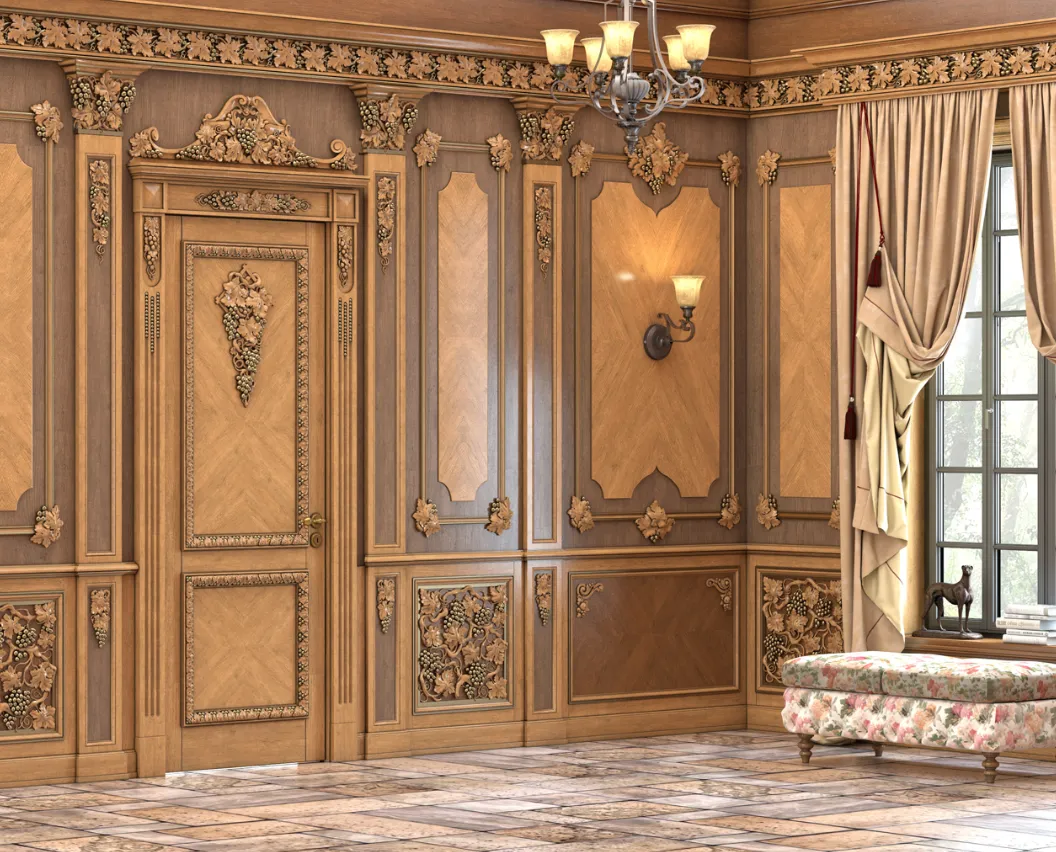
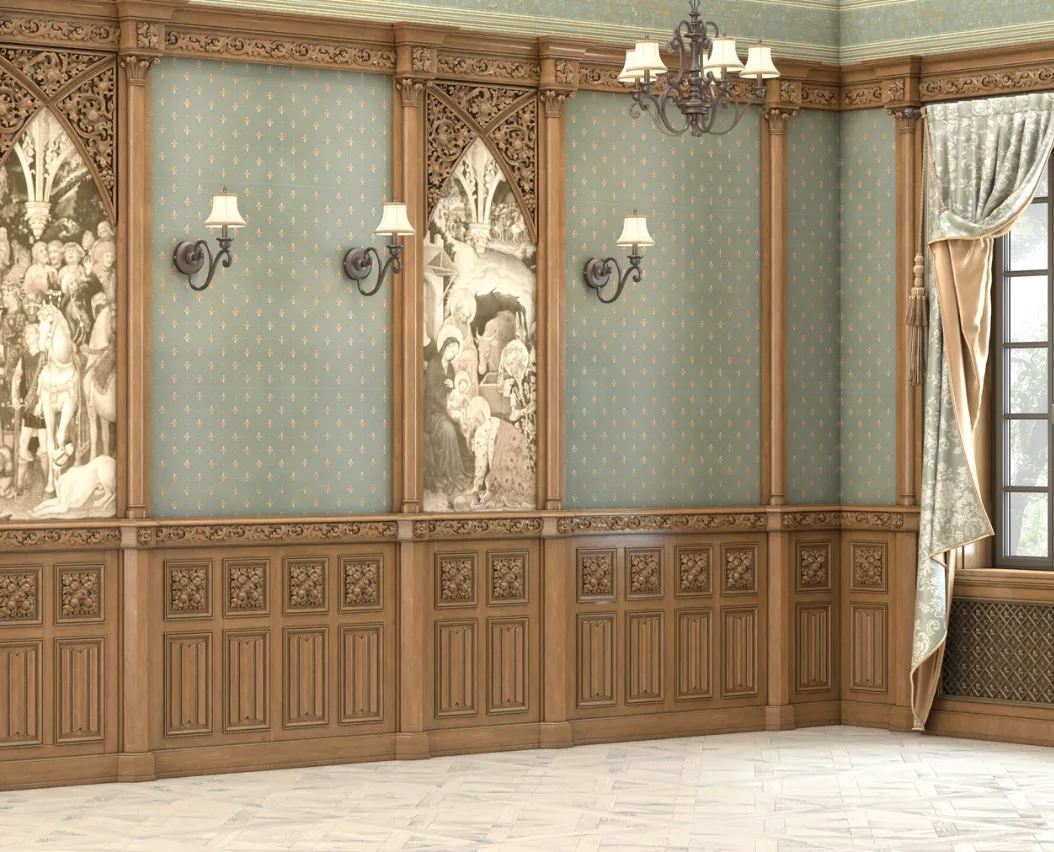
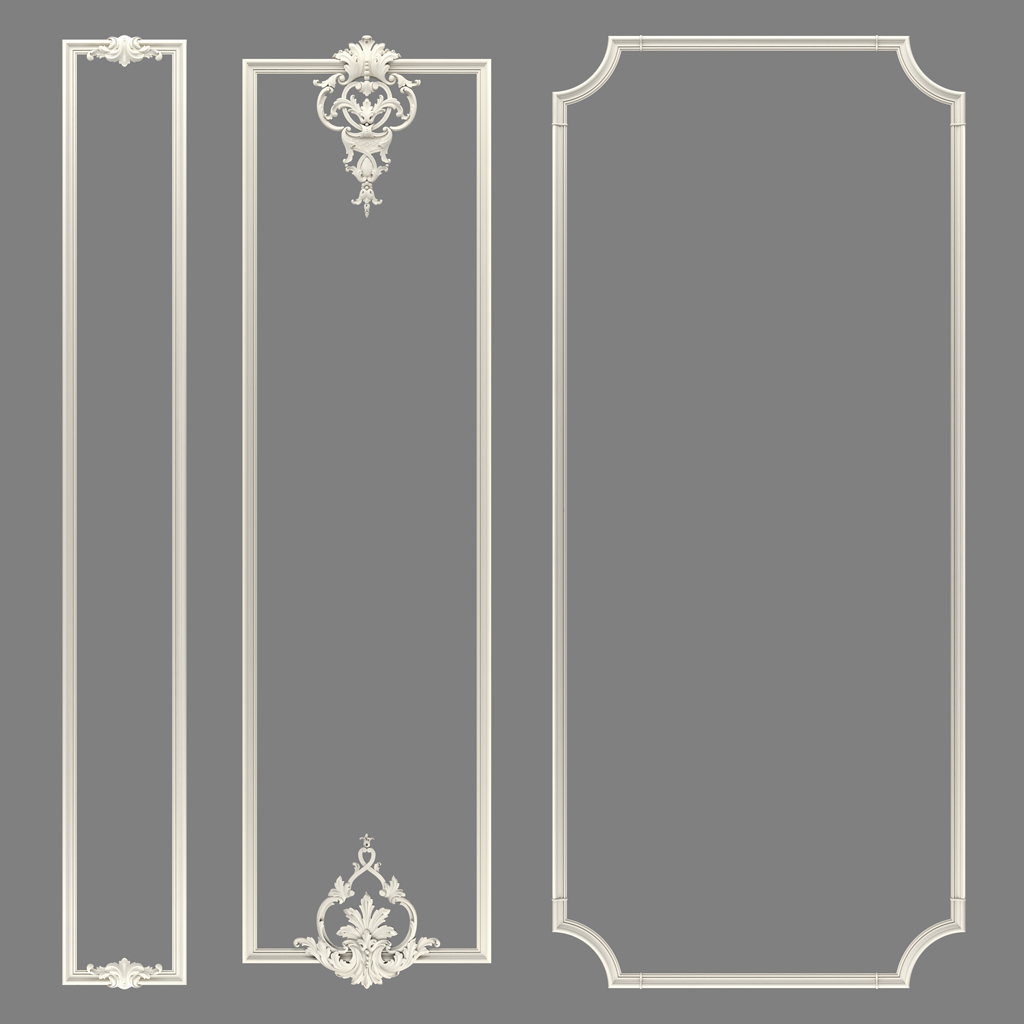
Система буазери — это французская традиция отделки стен деревянными панелями, которая пришла в Россию в XVIII веке и до сих пор остаётся эталоном элегантности. Классическая буазери представляет собой вертикальное и горизонтальное членение стены на секции с помощью стоек (пилястр) и перекладин. Внутри рамок располагаются филёнки — гладкие или резные панели, которые могут быть украшены патиной, золочением, тканью, кожей.
Главное преимущество буазери в контексте быстрой отделки — это готовая система, которая монтируется на любое основание без выравнивания. Кирпичная стена с перепадами до 5 см? Не проблема — обрешётка компенсирует все неровности, панели встают идеально вертикально и формируют безупречную плоскость. Бетонная стена с трещинами и сколами? Панели закроют всё, создадут новую, благородную поверхность, которая выглядит дорого и солидно.
Буазери из массива дуба или бука — это инвестиция на десятилетия. Дерево не боится механических нагрузок, легко реставрируется, не теряет вид со временем. Если через 15 лет захочется обновить цвет — достаточно прошлифовать поверхность и нанести новое покрытие. Попробуйте так же легко обновить штукатурку и краску — придётся всё сдирать и делать заново.
Модульные системы для быстрого монтажа
Современные стеновые панели проектируются как модульные системы. Производитель разрабатывает стандартные размеры панелей, которые легко стыкуются друг с другом, образуя цельную композицию. Высота панели может быть 2400 мм, 2700 мм или на заказ под конкретную высоту потолков. Ширина модулей — от 300 до 600 мм, что позволяет набрать любую ширину стены без подрезки или с минимальной подрезкой только крайних элементов.
Монтаж модульных панелей — это процесс сборки, а не строительства. На стене закрепляется обрешётка из деревянных брусков или металлического профиля. Панели навешиваются на обрешётку с помощью кляммеров, саморезов или специальных скрытых креплений. Стыки закрываются декоративными раскладками или остаются в виде теневых швов, если выбран современный стиль. За один рабочий день бригада из двух человек может обшить 20–30 кв. м стены — это скорость, недостижимая для штукатурных работ.
Ещё одно преимущество модульности — возможность локального ремонта. Если одна панель повреждена (царапина, вмятина, скол), её можно демонтировать и заменить новой без разборки всей стены. Попробуйте так же легко заменить участок оштукатуренной стены — придётся разрушать большую площадь, заново штукатурить, шпаклевать, красить, и результат всё равно будет заметен.
Возможность скрыть коммуникации
Когда панели монтируются на обрешётку, между стеной и панелью образуется воздушный зазор 30–50 мм. Этого более чем достаточно, чтобы спрятать электрические кабели, сетевые провода, слаботочные линии. Не нужно штробить стены, укладывать кабель в гофру, заделывать штробы штукатуркой. Всё прокладывается по поверхности основной стены, а панели закрывают это с лицевой стороны.
Если в будущем потребуется добавить новую розетку, вывести кабель для телевизора или колонок — достаточно аккуратно снять одну панель, проложить провод, установить панель обратно. Всё чисто, быстро, без пыли и разрушений. В случае со штукатуркой придётся долбить стену перфоратором, создавать грязь, заново штукатурить, красить — и всегда будет видно место вмешательства.
Воздушный зазор за панелями также улучшает звукоизоляцию и теплоизоляцию помещения. Дерево само по себе — хороший теплоизолятор, а воздушная прослойка усиливает этот эффект. В холодной комнате с деревянными панелями субъективно теплее, чем с холодными оштукатуренными стенами.
Разнообразие стилей и отделок
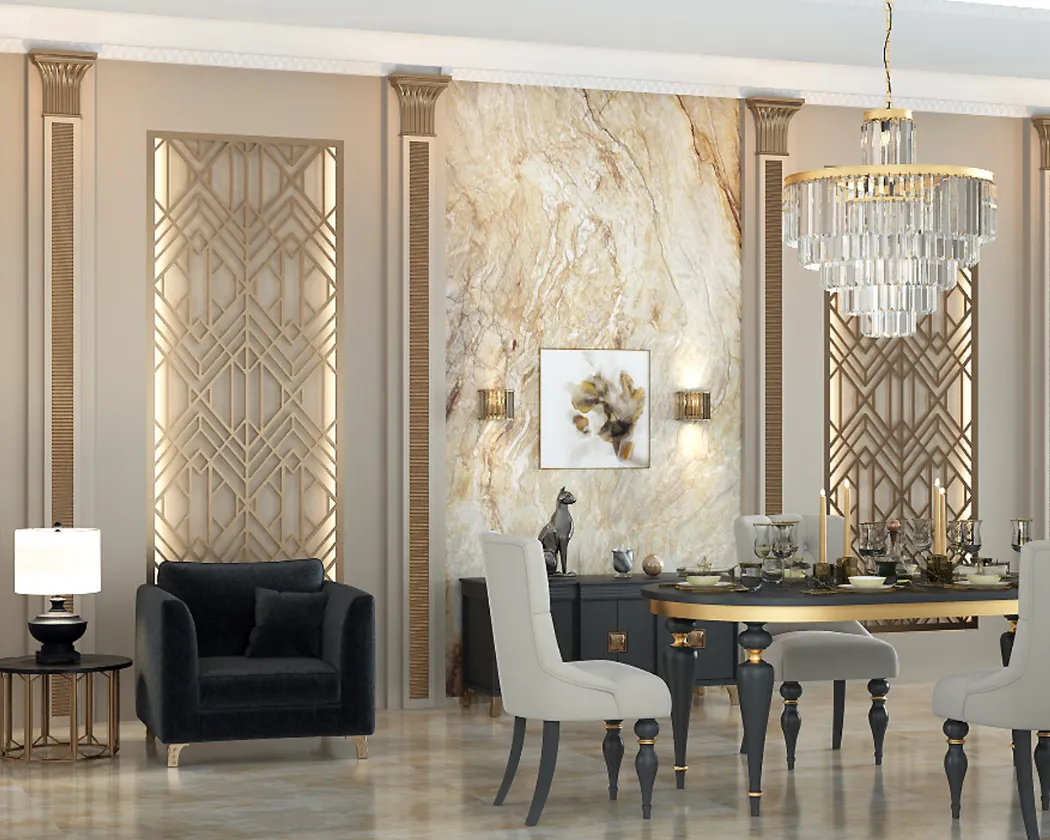
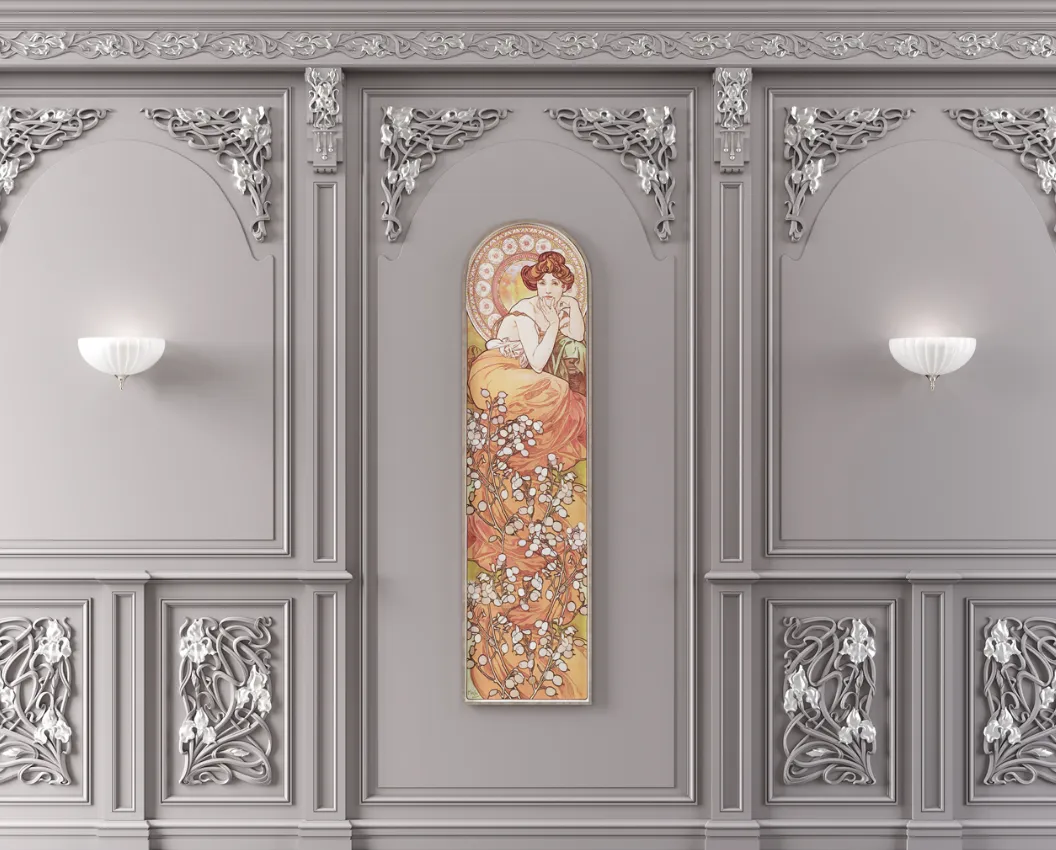
Стеновые панели буазери доступны в огромном разнообразии стилей. Классическая резная буазери с пилястрами, капителями, розетками — для дворцовых интерьеров, кабинетов, библиотек. Лаконичные панели с простой геометрией, окрашенные в белый или серый цвет, — для скандинавского минимализма и современных пространств. Высокие панели с вертикальным ритмом — для визуального увеличения высоты потолков. Горизонтальные панели с акцентом на текстуру дерева — для создания уюта и природной эстетики.
Финишная отделка панелей может быть любой: натуральный лак, подчёркивающий текстуру дуба или бука; матовая эмаль благородных оттенков (графит, тауп, хаки, терракота); глянцевая эмаль для гламурных интерьеров; патинирование с эффектом старения; золочение на полимент для максимальной роскоши; комбинация дерева и ткани, кожи, зеркал — для эксклюзивных проектов.
Благодаря такому разнообразию деревянные панели вписываются в любую концепцию интерьера, от исторических стилей до ультрасовременного хай-тека. Нет необходимости подстраиваться под ограничения штукатурки и краски — дерево даёт свободу выбора и гарантирует уникальность результата.
Погонажные профили: графика интерьера без лепнины
Молдинги — линии, задающие архитектуру
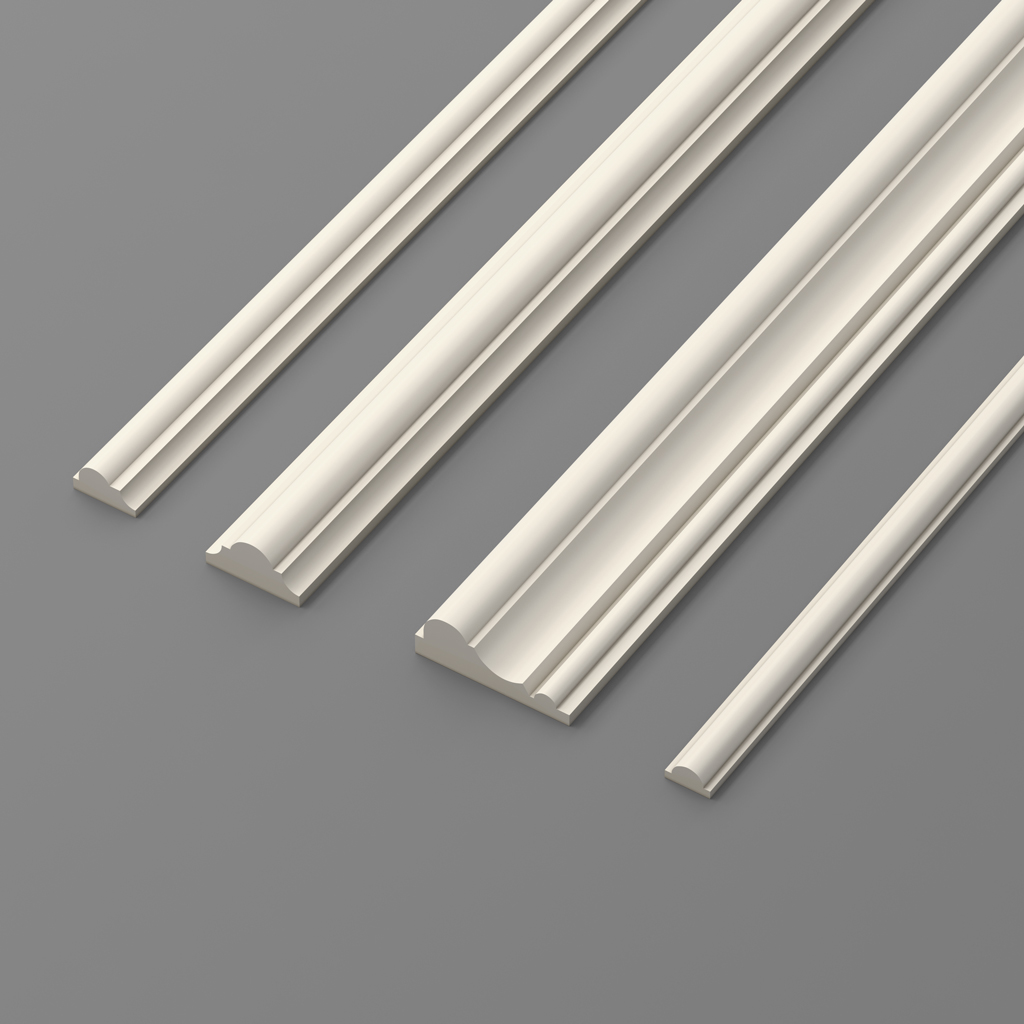
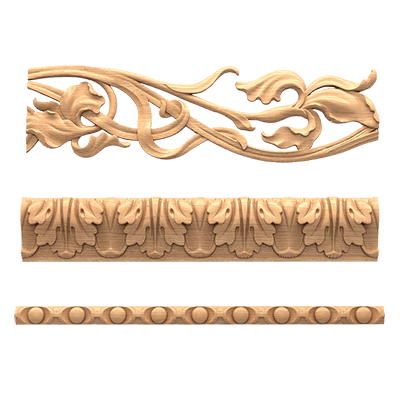
Молдинги из массива дерева — это погонажные элементы, которые задают архитектурную графику помещения без использования тяжёлой гипсовой лепнины. Молдинг может быть тонким обрамляющим профилем шириной 15–30 мм для создания рамок вокруг картин, зеркал, дверных проёмов. Может быть средним профилем 40–80 мм для формирования панельных систем на стенах. Может быть широким архитектурным элементом 90–150 мм для разделения стены на ярусы, создания пилястр, обрамления ниш и порталов.
Главное преимущество деревянных молдингов перед гипсовой лепниной — скорость монтажа и отсутствие «мокрых» процессов. Молдинг приклеивается на полиуретановый клей или монтируется на финишные гвозди, саморезы. Время схватывания клея — 15–20 минут, после чего можно продолжать работу. Никаких суток ожидания, как в случае с гипсом. Вся комната с молдингами, карнизами и плинтусами монтируется за 1–2 дня.
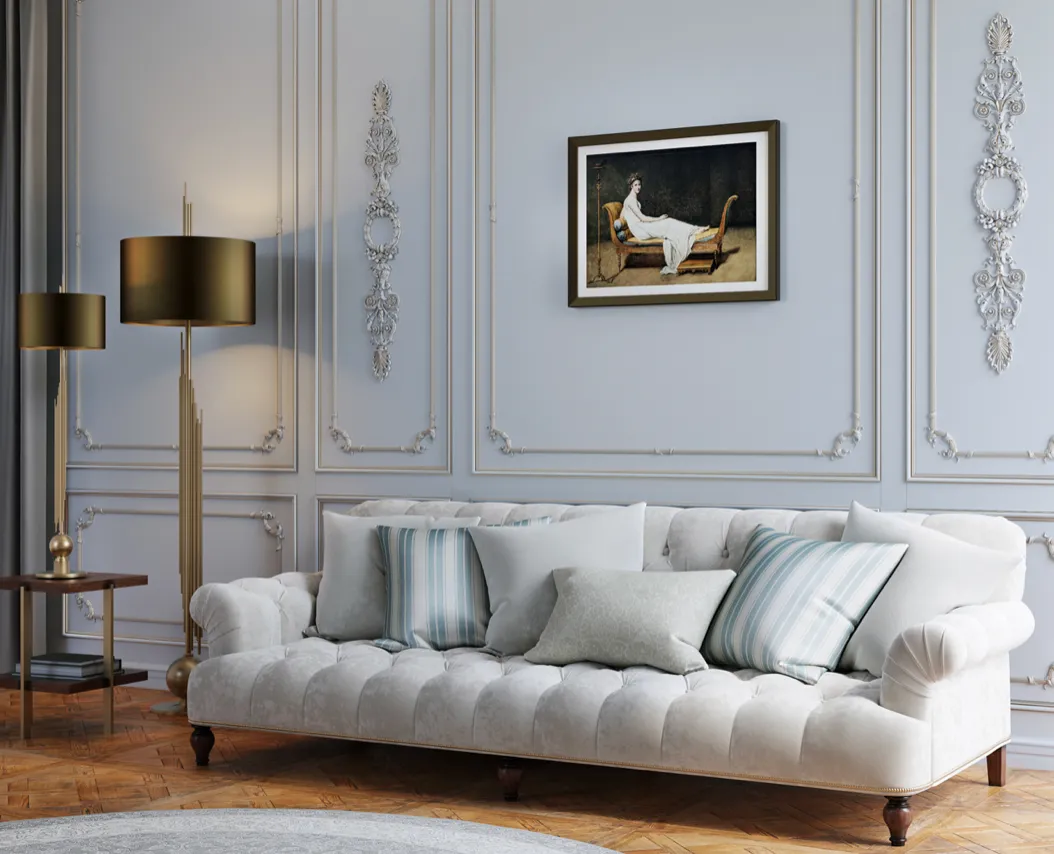
Молдинги позволяют создавать классические панельные композиции, разделять стену на цоколь, основное поле и фриз, формировать вертикальные и горизонтальные членения — всё то, что раньше делали исключительно штукатуркой и гипсовой лепниной. Но теперь это быстрее, чище, долговечнее. Дерево не трескается, не отваливается, не желтеет со временем, как гипс. Его можно красить, лакировать, реставрировать — и оно прослужит 30–50 лет без потери внешнего вида.
Карнизы потолочные — вместо гипсовых багетов
Потолочный карниз — важнейший элемент классического интерьера, который визуально завершает стену, создаёт переход от вертикали к горизонтали, маскирует стык стены и потолка. Традиционно карнизы изготавливались из гипса или полиуретана, но эти материалы уступают дереву по прочности, долговечности и эстетике.
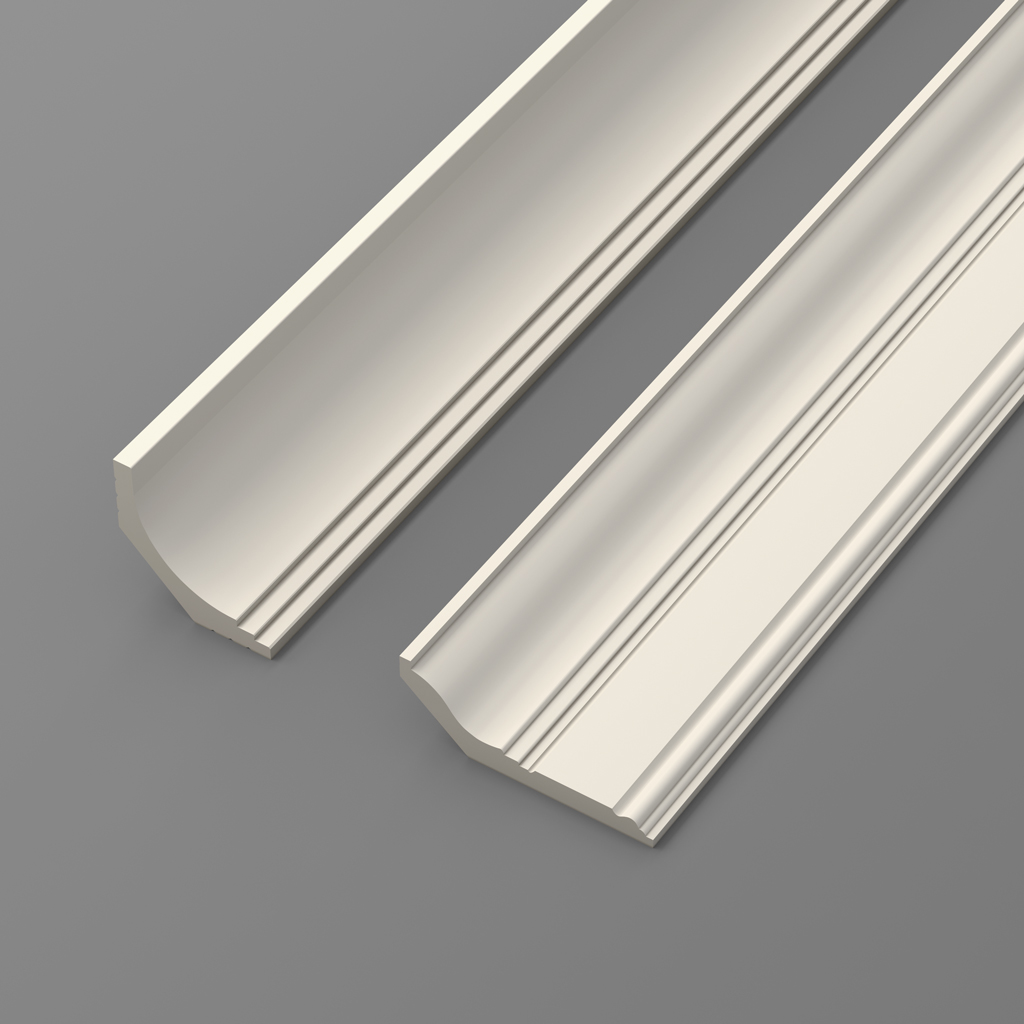
Деревянные потолочные карнизы представлены в широкой размерной линейке: от компактных 45 мм для помещений с низкими потолками до представительных 200 мм для высоких залов и гостиных. Профили карнизов могут быть простыми, с одной-двумя галтелями, или сложными, с резными элементами, дентикулами (зубчиками), овами (яйцеобразными элементами), акантом (стилизованными листьями).
Монтаж деревянного карниза выполняется на клей и механический крепёж. Для тяжёлых профилей используются скрытые кронштейны, которые принимают основную нагрузку. Углы подрезаются на торцовочной пиле под 45° с точностью до десятых градуса, стыкуются без зазоров. После монтажа микрощели заполняются эластичным герметиком, который компенсирует температурные деформации.
Результат — идеально ровный, прочный карниз, который выглядит как цельный архитектурный элемент, а не наклеенная декорация. Гипсовая лепнина со временем желтеет, покрывается трещинами, отваливается. Деревянный карниз может висеть столетиями, достаточно раз в 10–15 лет обновить финишное покрытие.
Плинтусы — функциональная и эстетическая деталь
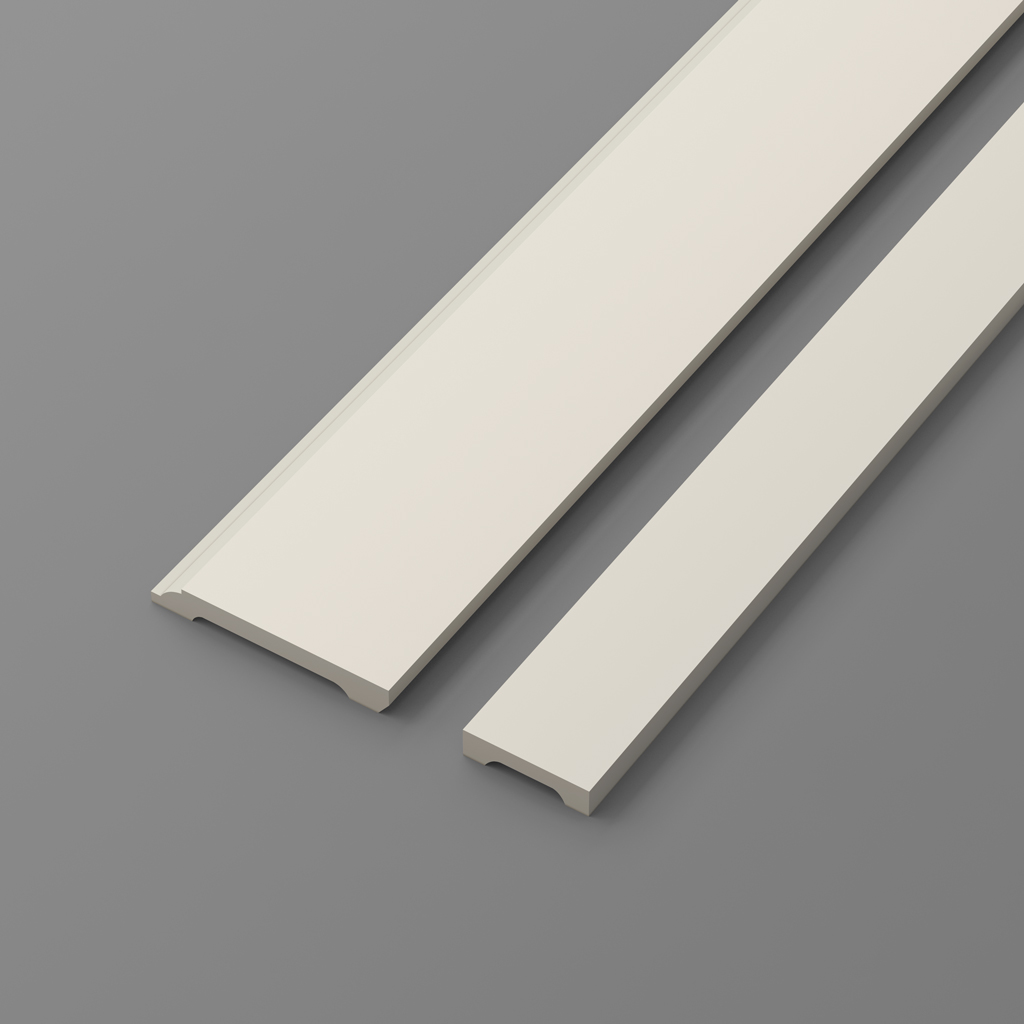
Плинтус деревянный — это не просто планка, закрывающая стык пола и стены. Это важный архитектурный элемент, который задаёт масштаб помещения, подчёркивает стиль интерьера, защищает стену от механических повреждений при уборке или перестановке мебели. В зависимости от высоты потолков и стилистики помещения плинтус может быть высотой 50–60 мм для небольших комнат или 110–140 мм для представительных залов.
Деревянные плинтусы изготавливаются из цельного массива дуба, бука или МДФ высокой плотности. Профили бывают простыми прямоугольными — для современных минималистичных интерьеров, фигурными с галтелями и скруглениями — для классических пространств, резными с декоративными элементами — для барокко и рококо. Финишная отделка может быть любой: натуральный лак, эмаль, патина, золочение.
Монтаж плинтусов — финальный этап отделки, который завершает всю композицию. Плинтус приклеивается к стене на полиуретановый клей или крепится на саморезы с последующей маскировкой крепежа. Углы подрезаются под 45°, стыкуются без зазоров. Весь периметр комнаты монтируется за полдня. Никаких «мокрых» процессов, пыли, ожидания высыхания.
Наличники — обрамление проёмов с характером
Деревянные наличники — элемент отделки, который формирует завершённый облик дверных и оконных проёмов. Наличник скрывает стык коробки и стены, маскирует монтажные зазоры, создаёт визуальную рамку, которая делает проём архитектурным акцентом. Ширина наличников варьируется от 50 до 120 мм в зависимости от размера проёма и стиля интерьера.
Профили наличников разнообразны: плоские прямоугольные для современных пространств, фигурные односторонние с декором на лицевой части для классических интерьеров, рельефные двусторонние для сквозных проёмов, телескопические раздвижные для стен разной толщины. Деревянные наличники монтируются на финишные гвозди или клей, углы стыкуются под 45° для создания цельной рамки.
В контексте быстрой отделки без мокрых процессов наличники из массива — оптимальное решение. Не нужно выравнивать откосы штукатуркой, ждать высыхания, красить. Наличники устанавливаются сразу после монтажа дверей или окон, за один день обрамляются все проёмы в квартире или доме. Финишная отделка уже нанесена на производстве, поэтому результат выглядит безупречно.
Практические сценарии: где сухая отделка показывает себя лучше всего
Загородные дома: скорость в условиях сезонности
Строительство загородного дома часто заканчивается осенью, когда коробка готова, но внутренняя отделка откладывается до весны из-за невозможности проводить «мокрые» процессы при минусовых температурах. Дом стоит всю зиму недостроенным, владельцы теряют сезон, а к лету нужно снова искать бригаду, договариваться о сроках, ждать месяцы выполнения работ.
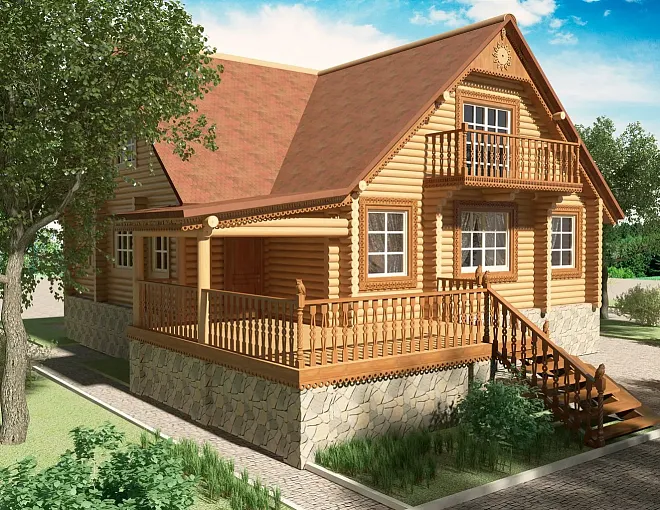
Сухая отделка деревянными панелями и погонажными элементами решает эту проблему радикально. Монтаж можно проводить при температуре от +5°C, а если дом отапливается хотя бы минимально (тепловая пушка или электрический обогреватель), работы идут даже зимой. За 2–3 недели весь дом площадью 150–200 кв. м обшивается панелями, устанавливаются молдинги, карнизы, плинтусы, наличники. Весной семья уже может заселяться и наслаждаться результатом.
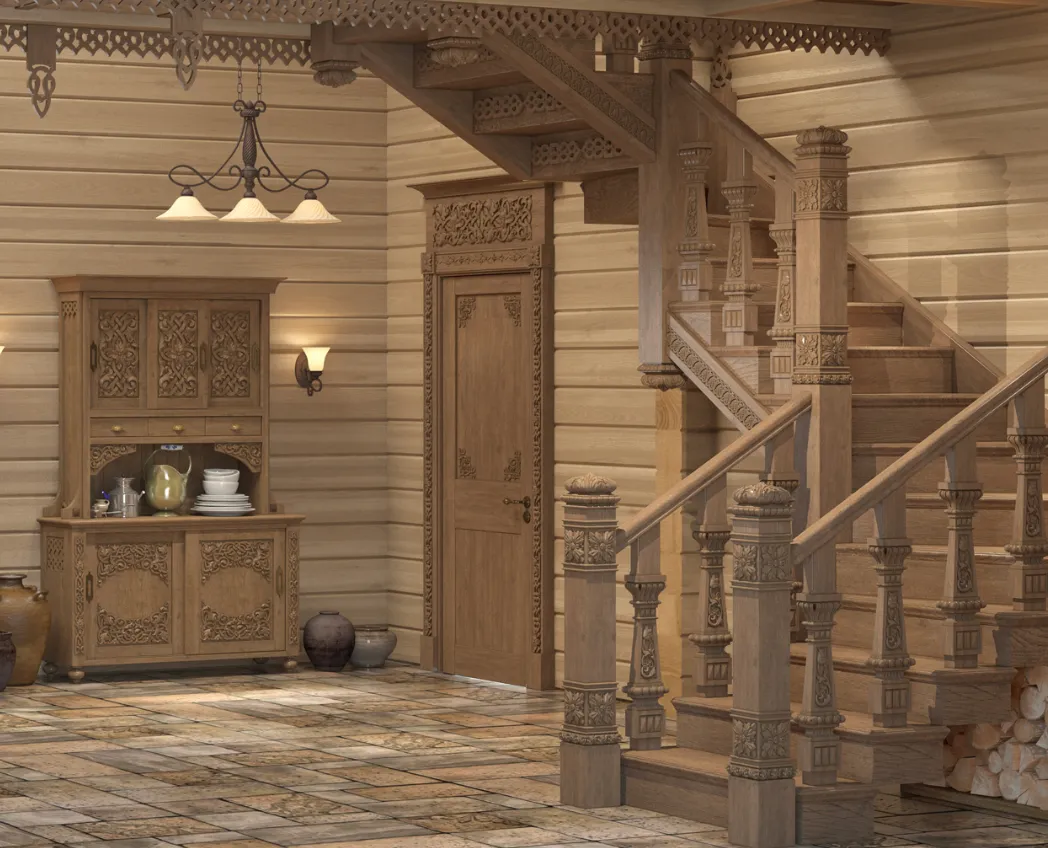
Дерево идеально подходит для загородных домов, потому что создаёт ощущение тепла, уюта, природной гармонии. Массив дуба или бука в гостиной, кабинете, спальне — это не просто отделка, а атмосфера, которая успокаивает, расслабляет, делает дом местом, куда хочется возвращаться.
Квартиры в новостройках: без ожидания усадки
Новостройки в первые годы дают усадку, стены трескаются, штукатурка отваливается. Если делать классическую «мокрую» отделку сразу после сдачи дома, через год-два придётся переделывать — заделывать трещины, перекрашивать. Это дополнительные расходы и потеря времени.
Деревянные панели и погонажные профили не боятся усадки. Они монтируются на независимый каркас (обрешётку), который компенсирует микродвижения стен. Если дом немного «просел», панели остаются на месте, геометрия не нарушается. Максимум, что может потребоваться, — небольшая регулировка крепежа, но визуально это незаметно.
Для квартир в новостройках, где владельцы хотят быстро въехать и начать жить, сухая отделка — идеальный выбор. От голых бетонных стен до готового интерьера проходит 3–4 недели вместо 3–4 месяцев при штукатурке. Экономия времени и нервов огромная.
Коммерческие помещения: время — деньги
Для ресторанов, магазинов, офисов, салонов красоты, клиник каждый день простоя — это потеря выручки. Затянувшийся ремонт означает, что бизнес не работает, аренда платится впустую, клиенты уходят к конкурентам. Поэтому в коммерческих проектах сроки критичны.
Сухая отделка стеновыми панелями и погонажными профилями позволяет открыть заведение в разы быстрее. Ресторан площадью 100 кв. м может быть полностью отделан за 2 недели. Офис на 300 кв. м — за 3 недели. Это включает монтаж панелей, молдингов, карнизов, плинтусов, наличников, дверей — полный комплекс работ.
Деревянная отделка в коммерческих пространствах — это ещё и вопрос статуса. Клиенты ценят качество, натуральные материалы, внимание к деталям. Дубовые панели в юридической фирме, буковые молдинги в стоматологической клинике, резные наличники в бутике одежды — всё это создаёт доверие, подчёркивает уровень заведения, выделяет среди конкурентов.
Реконструкция исторических зданий: деликатность и скорость
Реставрация старых особняков, усадеб, памятников архитектуры требует особого подхода. Стены в таких зданиях могут быть неровными, сложенными из разных материалов, с трещинами и деформациями. Выравнивать их штукатуркой — значит создавать огромную нагрузку на старые конструкции, рисковать нарушить историческую кладку, тратить месяцы на работы.
Деревянные панели и погонажные профили монтируются на независимый каркас, который не нагружает стены, не требует их разрушения или выравнивания. За панелями можно скрыть все дефекты, сохранив при этом исторический облик интерьера. Резные молдинги, классические карнизы, высокие плинтусы воссоздают атмосферу эпохи, а монтаж проходит быстро, аккуратно, без риска для конструкций.
Технология монтажа: как это работает на практике
Подготовка основания — минимум усилий
В отличие от штукатурных работ, где требуется идеально ровное основание, монтаж деревянных панелей допускает значительные неровности базовой стены. Перепады до 50 мм компенсируются обрешёткой — системой вертикальных и горизонтальных брусков или металлических профилей, которые создают новую, идеально вертикальную плоскость.
Обрешётка крепится к стене дюбелями или анкерами, выставляется по уровню и отвесу. Расстояние между брусками обрешётки обычно 400–600 мм — это оптимальный шаг для надёжной фиксации панелей. Если стена совсем кривая, под бруски подкладываются деревянные клинья или монтажные пластины, которые компенсируют неровности.
Весь процесс подготовки обрешётки занимает 1 день на комнату. Никакой грязи, пыли, воды. Только дрель, шуруповёрт, уровень и рулетка.
Монтаж панелей — быстро и чисто
Стеновые панели навешиваются на обрешётку с помощью скрытых креплений — кляммеров, саморезов через фальц, замковых соединений. Крепёж не виден с лицевой стороны, что создаёт эффект цельной, монолитной стены без следов монтажа. Панели стыкуются друг с другом по принципу «шип-паз» или через теневой шов — зазор 2–3 мм, который визуально разделяет модули и создаёт современную графику.
Каждая панель устанавливается за 5–10 минут. Бригада из двух человек за день монтирует 20–30 кв. м. Вся комната 15–20 кв. м полностью обшивается за 1 рабочий день. Никаких перерывов, технологических пауз, ожидания высыхания.
После монтажа панелей устанавливаются финишные элементы — молдинги, карнизы, плинтусы, наличники. Они закрывают стыки, углы, примыкания, создают завершённость композиции. Финишные элементы клеятся и дополнительно фиксируются финишными гвоздями — маленькими шпильками без шляпки, которые забиваются пневматическим нагелем и практически не видны после установки.
Финишная доводка — без шлифовки и покраски
Поскольку все элементы приходят с производства уже с финишной отделкой, на объекте не требуется ни шлифовка, ни покраска, ни лакировка. Максимум — небольшая ретушь мест крепежа специальным восковым карандашом в тон дерева, заполнение микрощелей на стыках эластичным герметиком под цвет панелей или молдингов.
Эта работа занимает несколько часов, а не дней. Помещение остаётся чистым, нет запаха краски, пыли от шлифовки. После финальной уборки пылесосом комната готова к эксплуатации. Можно сразу расставлять мебель, вешать картины, устанавливать технику.
Экономическая целесообразность: считаем деньги и время
Сравнение стоимости: дерево vs штукатурка+лепнина
На первый взгляд деревянные панели и погонаж кажутся дороже штукатурки и гипсовой лепнины. Но если считать полную стоимость владения, картина меняется.
Штукатурная отделка комнаты 20 кв. м «под ключ» (выравнивание, шпаклёвка, грунтовка, покраска в два слоя) обойдётся в 50 000–80 000 рублей. Если добавить гипсовую лепнину (карнизы, молдинги, розетки), цена вырастает до 120 000–150 000 рублей. Срок выполнения — 4–6 недель.
Отделка той же комнаты деревянными панелями и погонажем стоит 150 000–200 000 рублей (в зависимости от породы дерева, сложности профилей, финишной отделки). Но срок выполнения — 1 неделя. Через 3–5 лет штукатурку придётся обновлять (трещины, сколы, потёртости краски), что добавит ещё 30 000–50 000 рублей. Деревянная отделка за это время вообще не потребует вмешательства.
Если считать на 20–30 лет, дерево оказывается выгоднее: один раз вложил, и забыл. Штукатурка требует регулярного обновления, каждый раз — это деньги, время, неудобства.
Экономия времени — главный актив
Время — невосполнимый ресурс. Если ремонт растягивается на месяцы, это не только деньги на аренду временного жилья, но и нервы, стресс, невозможность жить нормальной жизнью. Семья с детьми не может оставаться в квартире, где идёт штукатурка — пыль, запах, шум. Приходится снимать квартиру, жить у родственников, возить детей в сад или школу из другого района.
Сухая отделка позволяет жить в соседних комнатах, пока идут работы в одной. А если делать поэтапно (сначала спальня, потом гостиная, потом кухня), семья вообще может оставаться в квартире без особого дискомфорта. Каждый этап занимает неделю, а не месяц.
Для бизнеса время — это буквально деньги. Кафе, которое открылось на месяц раньше, уже зарабатывает, пока конкурент ещё ждёт, когда высохнет штукатурка. Офис, который заработал на 2 месяца раньше, экономит аренду временного помещения, не теряет клиентов, не срывает контракты.
Долговечность — инвестиция в будущее
Массив дуба или бука служит 50+ лет без потери внешнего вида. Это не преувеличение — в старинных особняках сохранились деревянные панели XVIII–XIX веков, которые до сих пор выглядят достойно. Дерево можно реставрировать бесконечно: прошлифовать, обновить лак или краску, устранить локальные повреждения. Попробуйте так же отреставрировать штукатурку — придётся всё переделывать.
Гипсовая лепнина трескается, желтеет, отваливается. Полиуретановая — дешевле и долговечнее гипса, но всё равно не сравнится с деревом по прочности и благородству. Деревянный карниз выдержит случайный удар, не сломается при лёгком механическом воздействии. Гипс же — хрупкий материал, который требует бережного обращения.
Инвестиция в качественную деревянную отделку — это вклад в стоимость недвижимости. Квартира или дом с деревянными панелями, молдингами из массива, резными наличниками стоят дороже аналогов с обычной штукатуркой. При продаже такая недвижимость продаётся быстрее и по лучшей цене.
Эстетика и стиль: дерево как универсальный материал
Классика: дворцовая роскошь
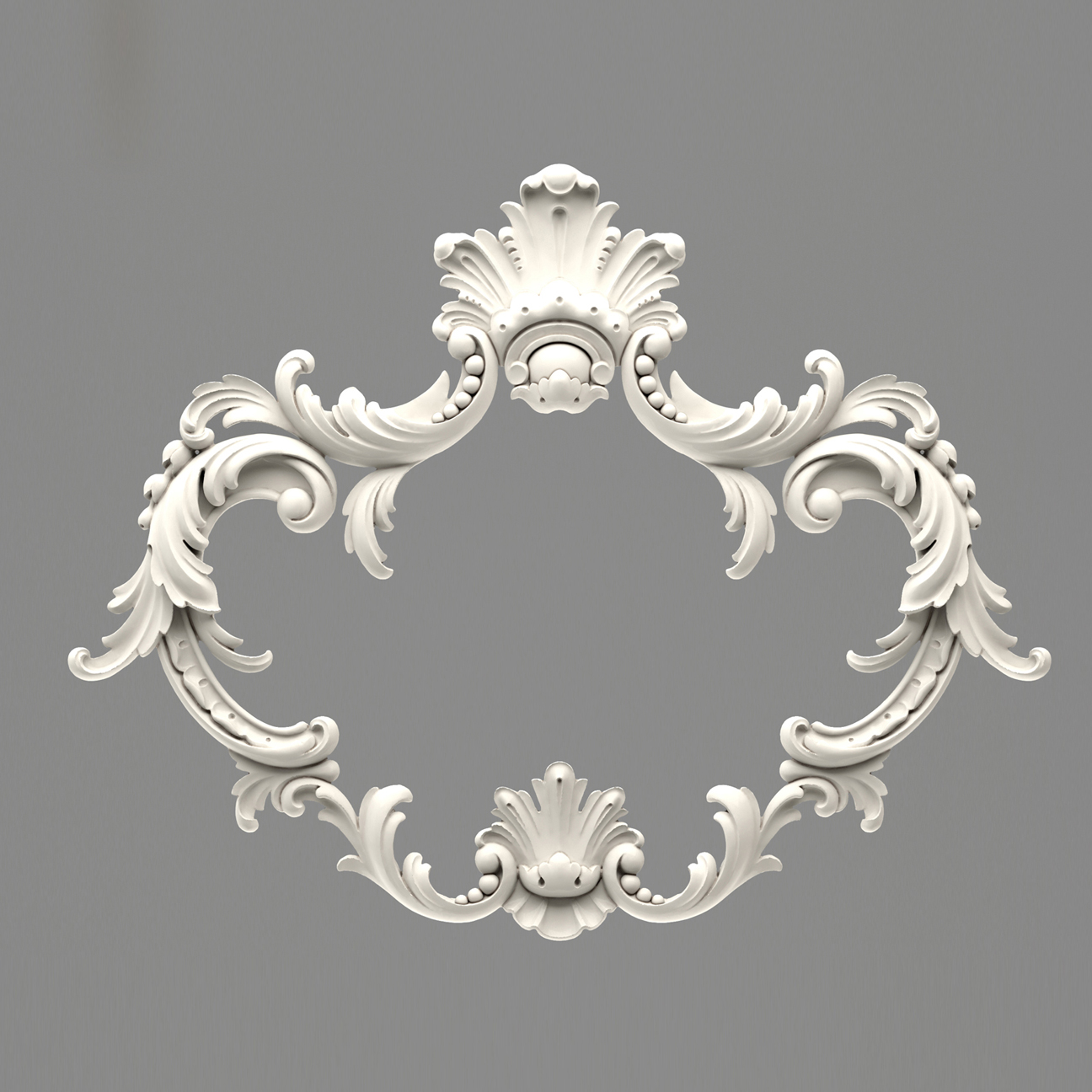
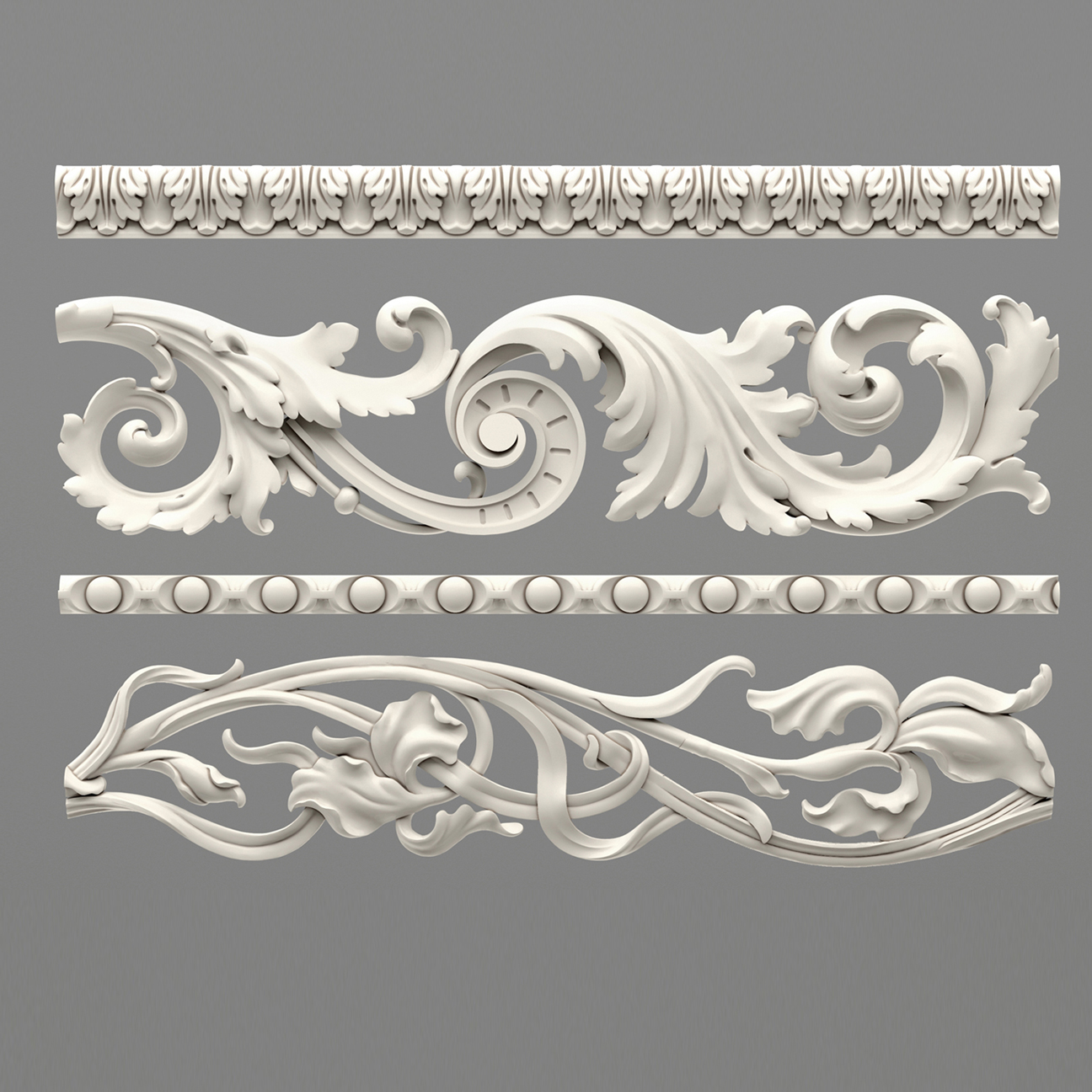
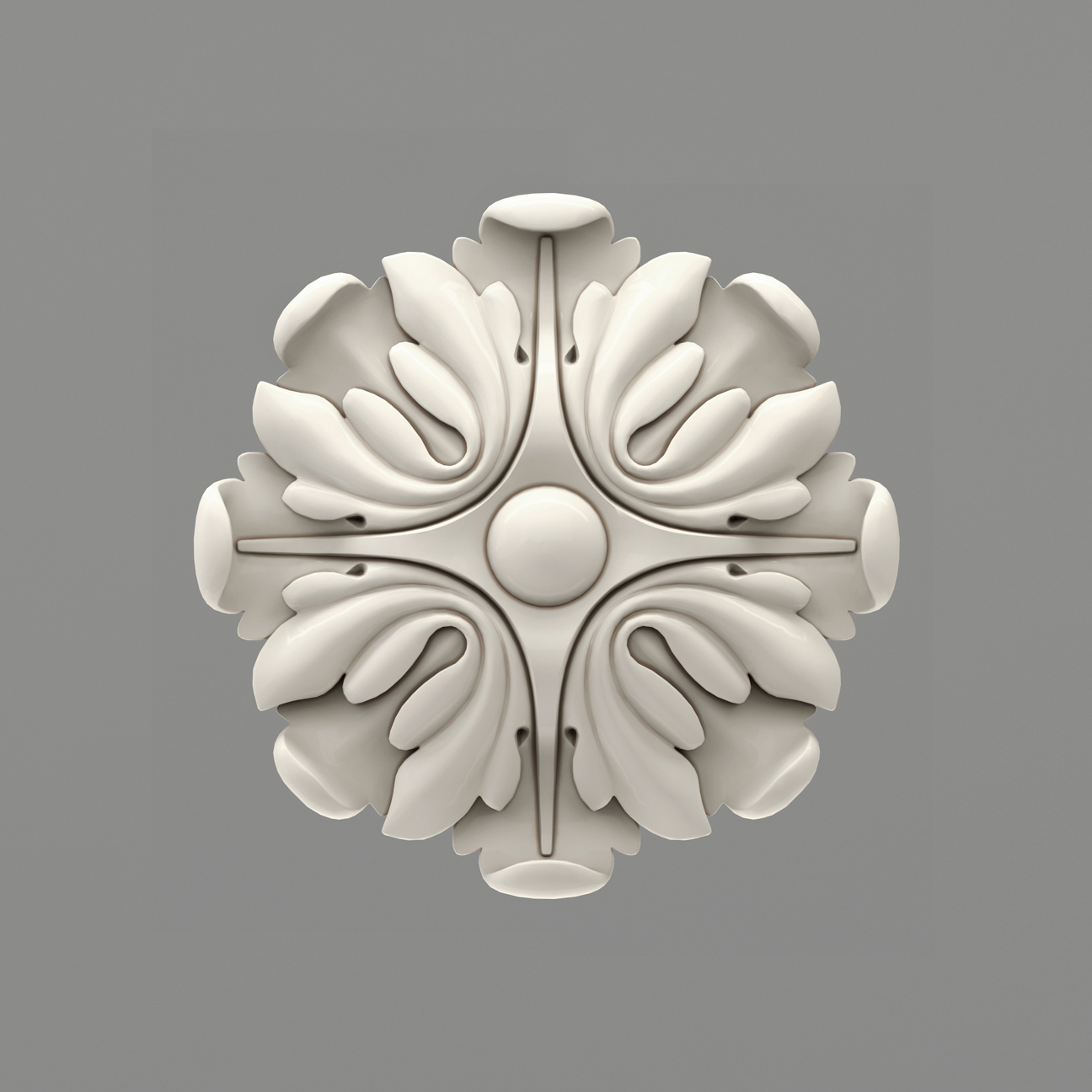
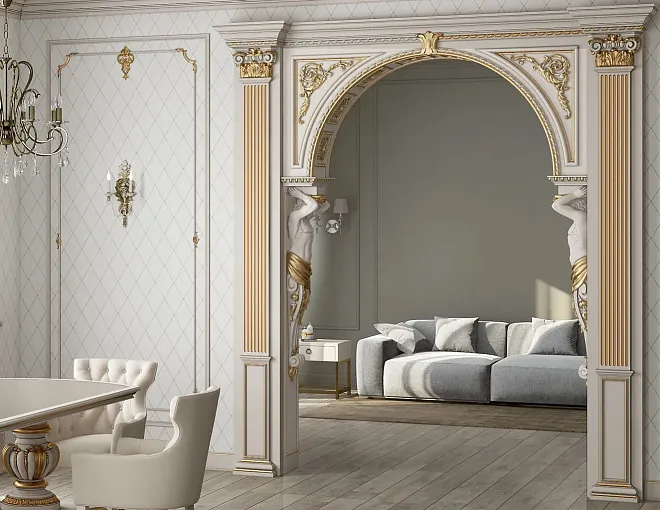
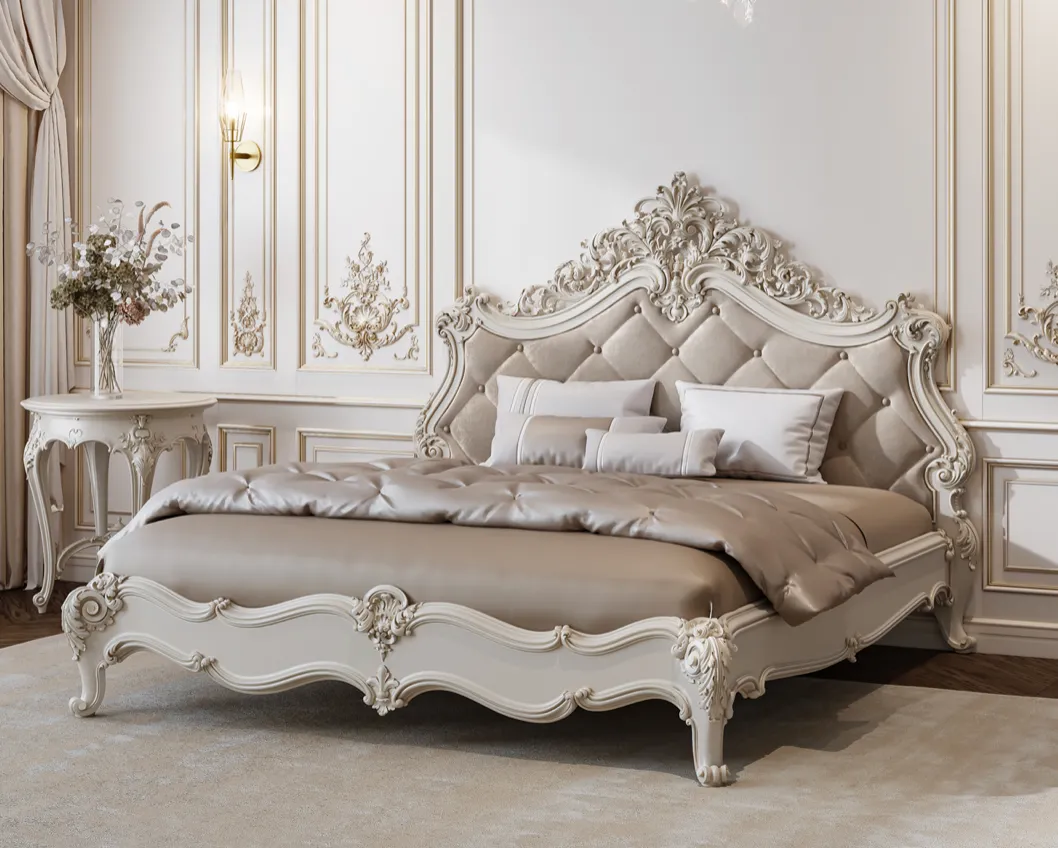
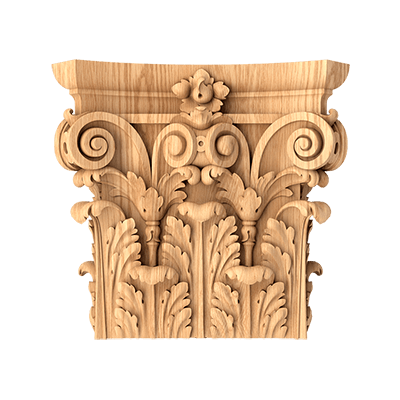
Для классических интерьеров — барокко, рококо, классицизма, ампира — дерево незаменимо. Резные панели буазери с пилястрами, капителями, филёнками, богатые молдинги с растительными орнаментами, высокие потолочные карнизы с дентикулами и овами — всё это создаёт атмосферу дворцовой роскоши, которую невозможно достичь штукатуркой и краской.
Золочение на полимент, патинирование, искусственное старение — эти техники финишной отделки подчёркивают рельеф дерева, создают игру света и тени, добавляют глубину и объём. В классическом интерьере деревянные элементы — не просто отделка, а архитектурный каркас, который задаёт масштаб, пропорции, ритм всего пространства.
Современность: чистые линии и натуральная текстура
Современные интерьеры — минимализм, скандинавский стиль, лофт, эко-дизайн — тоже активно используют дерево, но в другой эстетике. Лаконичные панели без декора, окрашенные в белый, серый, графитовый цвет, создают чистую графику стен. Натуральная текстура дуба или бука, покрытая матовым лаком или маслом, вносит природное тепло в минималистичную среду.
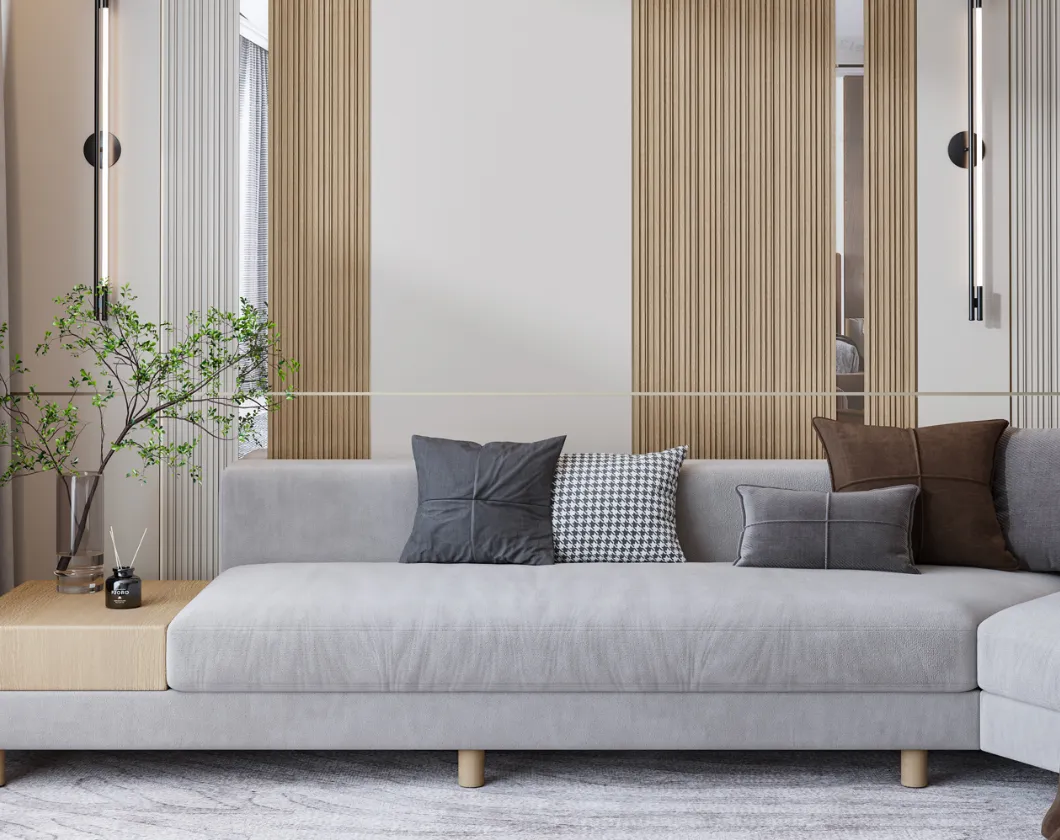
Вертикальные деревянные рейки — популярный тренд последних лет — формируют акцентные стены, зонируют пространство, улучшают акустику. Горизонтальные панели визуально расширяют комнату, создают динамику. Комбинация дерева с металлом, стеклом, бетоном рождает современную, но тёплую эстетику, в которой приятно жить и работать.
Эклектика: свобода сочетаний
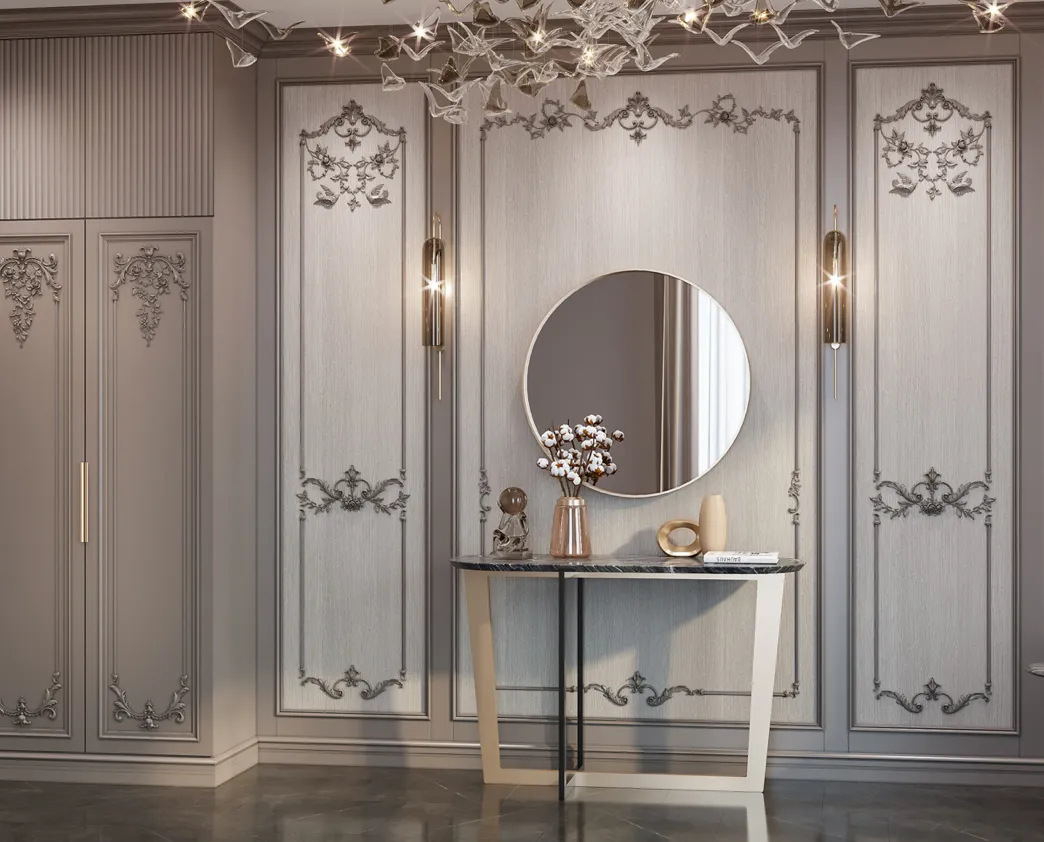
Деревянные панели и погонаж отлично сочетаются с любыми другими материалами. Камень и дерево — классика для каминных зон, кухонь. Дерево и металл — для лофт-интерьеров. Дерево и ткань (обивка стен) — для спален, кабинетов. Дерево и зеркала — для прихожих, гардеробных.
Эклектичные интерьеры, где смешиваются стили, эпохи, материалы, тоже выигрывают от использования дерева. Оно служит объединяющим элементом, который связывает разнородные детали в единую композицию. Например, в лофт-пространстве с кирпичной кладкой и металлическими балками деревянные панели на одной из стен создают акцент, добавляют уют, смягчают индустриальную жёсткость.
Почему STAVROS — правильный выбор для быстрой отделки
Компания STAVROS — российский производитель премиальных изделий из массива дерева, который с 2002 года создаёт решения для интерьеров любой сложности. Производственные мощности расположены в России, что обеспечивает контроль качества на всех этапах, гибкость в выполнении заказов и конкурентоспособные цены без таможенных наценок.
STAVROS предлагает полный спектр продукции для быстрой внутренней отделки без мокрых процессов:
-
Стеновые панели буазери из массива дуба, бука, МДФ — от классических резных систем до современных лаконичных модулей.
-
Молдинги, карнизы, плинтусы, наличники — более 40 стандартных профилей различной сложности, возможность изготовления по индивидуальным чертежам.
-
Двери межкомнатные и входные — из массива, с резными филёнками, стеклом, кожей.
-
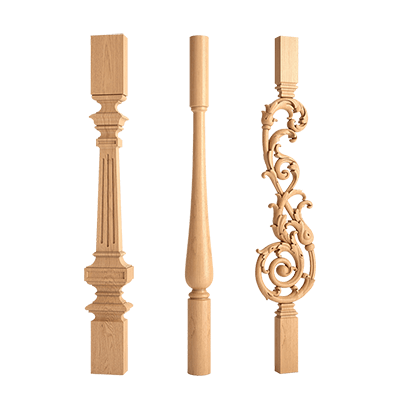
Лестницы — прямые, винтовые, с резными балясинами и перилами.
-
Мебель на заказ — кухни, шкафы, столы, кровати в едином стиле со стеновыми панелями.
Производственная экспертиза STAVROS включает:
-
Камерную сушку древесины до влажности 8–12%, что исключает деформации, растрескивание, коробление изделий в процессе эксплуатации.
-
Обработку на высокоточном оборудовании — четырёхсторонние строгальные станки с допуском ±0,1 мм на погонный метр, фрезерные центры с ЧПУ для создания сложных профилей.
-
Многоступенчатую финишную отделку — шлифование абразивами P80–P240, грунтование в контролируемых условиях, нанесение финишных покрытий (лаки, эмали, масла, воски) в окрасочных камерах.
-
Индивидуальный подход — возможность изготовления нестандартных размеров, профилей, отделок под конкретный проект.
STAVROS работает с частными заказчиками, дизайнерами, строительными компаниями, застройщиками. География поставок — вся Россия и страны СНГ. Компания имеет шоу-румы в Москве и Санкт-Петербурге, где можно увидеть образцы продукции, потрогать дерево, оценить качество отделки, получить консультацию специалистов.
Выбирая STAVROS, вы получаете:
-
Гарантированное качество — 5 лет гарантии на отсутствие производственных дефектов.
-
Соблюдение сроков — отлаженный производственный процесс, большая складская программа, оперативная отгрузка.
-
Профессиональную поддержку — помощь в выборе материалов, расчёт количества, рекомендации по монтажу.
-
Долговечность — изделия из массива дуба и бука служат 30–50 лет, сохраняя первоначальный вид.
Часто задаваемые вопросы (FAQ)
Можно ли монтировать деревянные панели зимой?
Да, монтаж возможен при температуре от +5°C. Если помещение отапливается, работы проводятся в любое время года без ограничений. Дерево не боится низких температур, в отличие от штукатурных смесей, которые требуют плюсовой температуры для схватывания.
Сколько времени занимает монтаж панелей в комнате 20 кв. м?
Обычно 1–2 дня на монтаж панелей плюс 1 день на установку молдингов, карнизов, плинтусов, наличников. Итого полная отделка комнаты занимает 3–4 дня против 4–6 недель при штукатурке.
Можно ли устанавливать деревянные панели в ванной или на кухне?
Да, но с условием качественной влагозащитной обработки. Дуб естественным образом устойчив к влаге благодаря высокому содержанию танинов. Дополнительная обработка полиуретановым лаком или маслом с воском делает панели ещё более стойкими к воде и пару. В ванной важно обеспечить хорошую вентиляцию.
Нужно ли выравнивать стены перед монтажом панелей?
Нет, это главное преимущество. Панели монтируются на обрешётку, которая компенсирует неровности до 50 мм. Стена может быть кривой, с перепадами, трещинами — панели закроют всё и создадут идеально ровную поверхность.
Можно ли красить деревянные панели в другой цвет?
Да, дерево легко перекрашивается. Достаточно прошлифовать старое покрытие, нанести новый грунт и краску. Это можно делать многократно в течение десятилетий эксплуатации. Штукатурку так легко не обновишь — придётся снимать старую краску, заделывать трещины, заново шпаклевать.
Дорого ли обходится ремонт повреждённой панели?
Локальный ремонт прост и дёшев. Царапины убираются шлифовкой и подкрашиванием. Вмятины заделываются шпаклёвкой по дереву. Если панель серьёзно повреждена, её можно демонтировать и заменить новой без разборки всей стены. Со штукатуркой так не сделаешь.
Какая порода дерева лучше — дуб или бук?
Дуб — максимальная прочность, выразительная текстура, долговечность 50+ лет, но высокая цена. Бук — отличная формуемость для сложных профилей, однородная структура, долговечность 30–40 лет, доступная цена. Для классических интерьеров чаще выбирают дуб, для современных — бук или МДФ.
Можно ли заказать панели и молдинги по индивидуальным размерам?
Да, STAVROS изготавливает изделия по индивидуальным чертежам и размерам. Минимальная партия для нестандартных профилей — от 50 погонных метров. Срок изготовления — 10–21 день в зависимости от сложности.
Быстрая внутренняя отделка без мокрых процессов — это не компромисс, а современный стандарт качества, который экономит время, деньги и нервы. Стеновые панели и погонажные профили из массива дерева монтируются за дни, служат десятилетиями, создают интерьер премиального уровня без грязи, пыли и бесконечного ожидания. Выбирая продукцию STAVROS, вы инвестируете в долговечность, красоту и комфорт своего дома.


