



















Содержание статьи:
- 1. Основные принципы оформления кабинета
- Классический стиль
- Минимализм
- Лофт
- 3. Освещение в кабинете
- 4. Мебель для кабинета
- Рабочий стол
- Кресло
- Полки и системы хранения
- 5. Декоративное оформление
- Стены
- Аксессуары
- Заключение
- Функциональность и стиль: баланс, который важен
- Освещение как важнейший фактор комфорта
- Декор: детали, которые создают атмосферу
- Индивидуальность в интерьере
- Создайте пространство, в котором приятно работать
Оформление кабинета – важный этап в создании комфортного рабочего пространства, способствующего концентрации, продуктивности и вдохновению. Независимо от того, оформляете ли вы домашний кабинет или рабочее пространство в офисе, важно учитывать несколько ключевых аспектов: эргономику, освещение, цветовую гамму, выбор мебели и декоративные элементы.
Как правильно организовать дизайн интерьера кабинета, чтобы он был не только функциональным, но и эстетически привлекательным? Какие стили оформления кабинета наиболее актуальны сегодня? Разберем лучшие идеи и практические советы.


1. Основные принципы оформления кабинета
При создании дизайна кабинета важно учитывать три главных принципа: эргономику, баланс функциональности и эстетики, а также правильную организацию пространства.
● Эргономика – ключевой фактор для комфортной работы. Стол, кресло, освещение и расположение мебели должны соответствовать принципам удобства, чтобы снизить нагрузку на позвоночник и зрение.
● Баланс между функциональностью и эстетикой – кабинет должен быть не только удобным, но и вдохновляющим. Выбор цветовой гаммы, текстур, декоративных элементов и освещения влияет на продуктивность.
● Организация пространства – использование стеллажей, полок, шкафов и органайзеров помогает поддерживать порядок и комфорт.
2. Выбор стиля для оформления кабинета
В зависимости от личных предпочтений и задач, кабинет можно оформить в разных стилях. Рассмотрим наиболее популярные решения.
Классический стиль
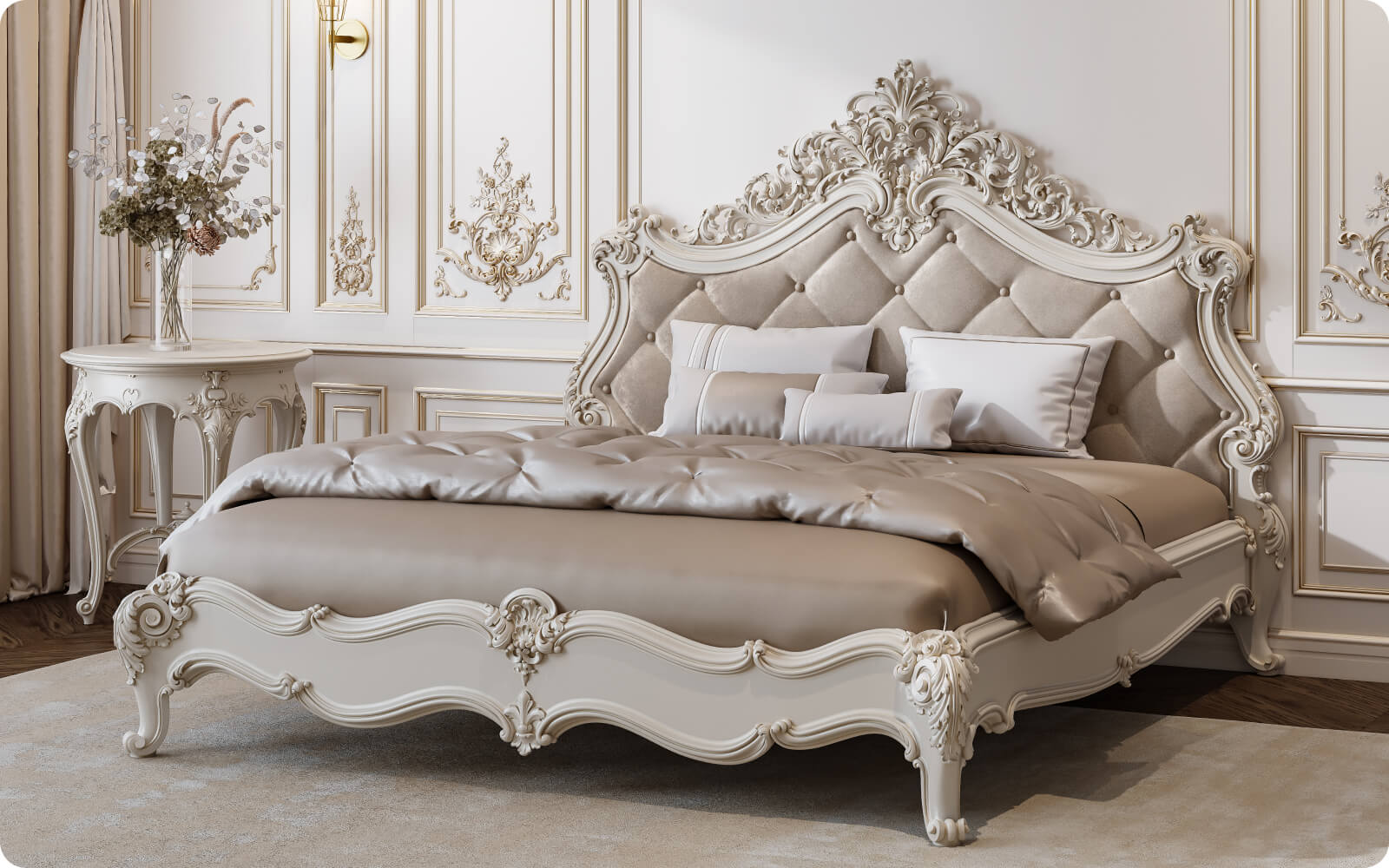
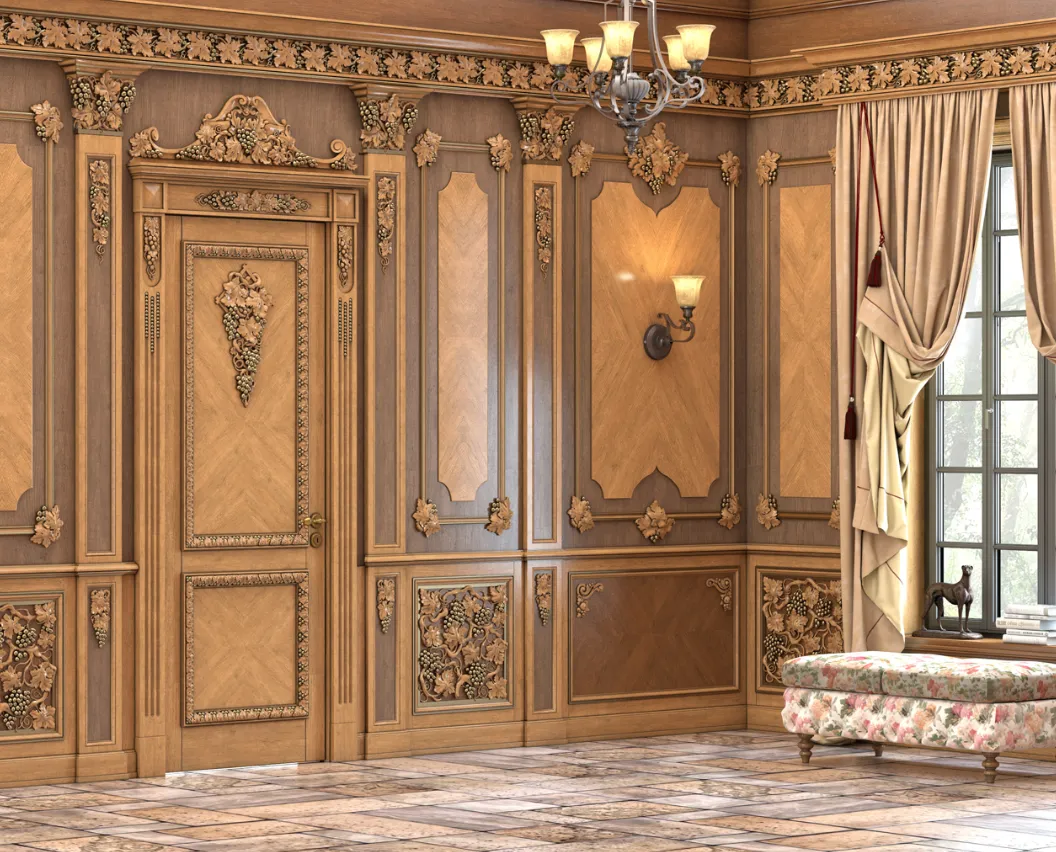
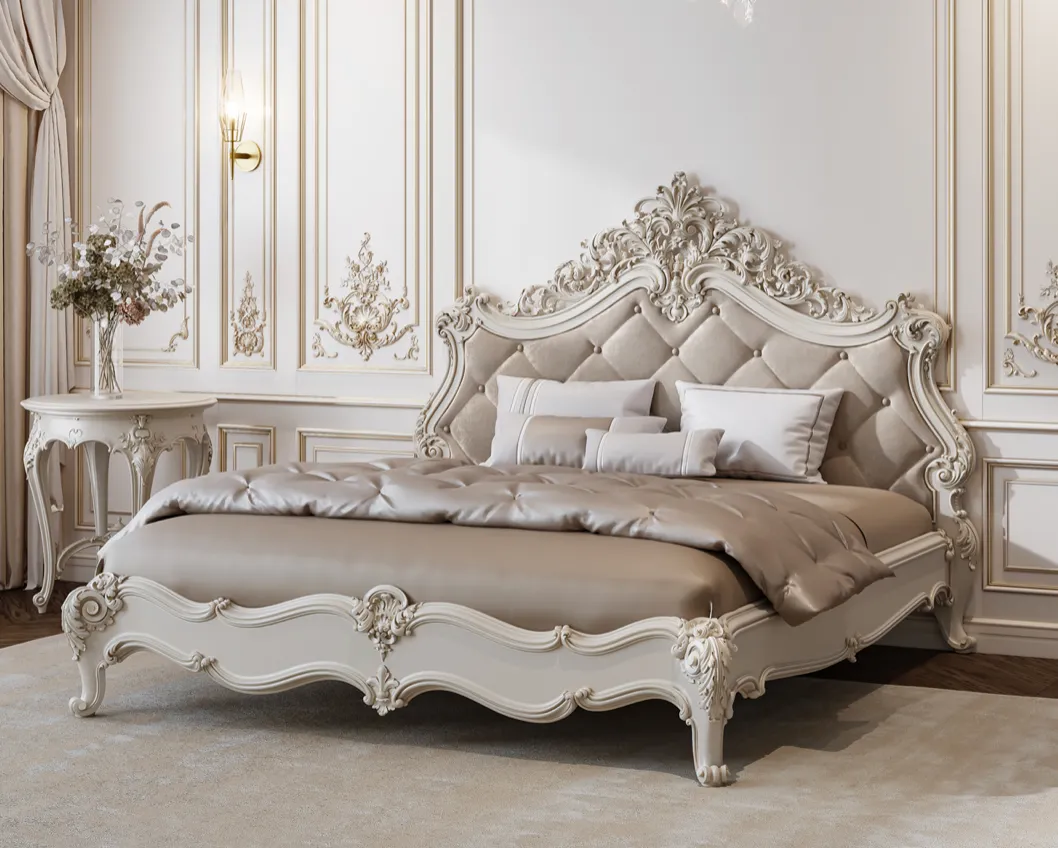
Классический кабинет – это благородство, элегантность и престиж. Основные черты:
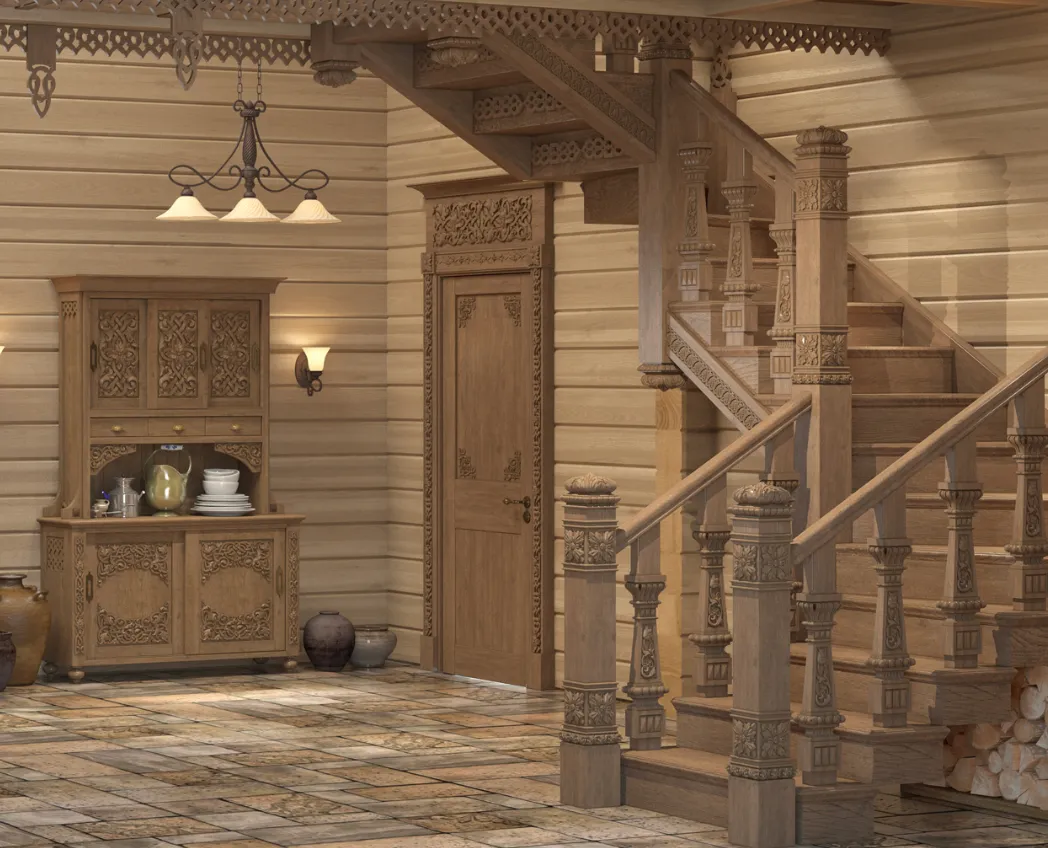
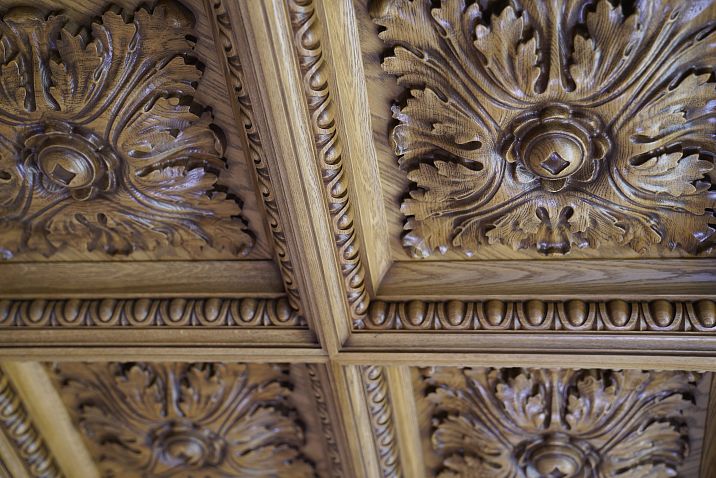
● Использование натурального дерева (массив, шпон), резной мебели, кожаной обивки.
● Насыщенные цвета: темный орех, красное дерево, благородный дуб.
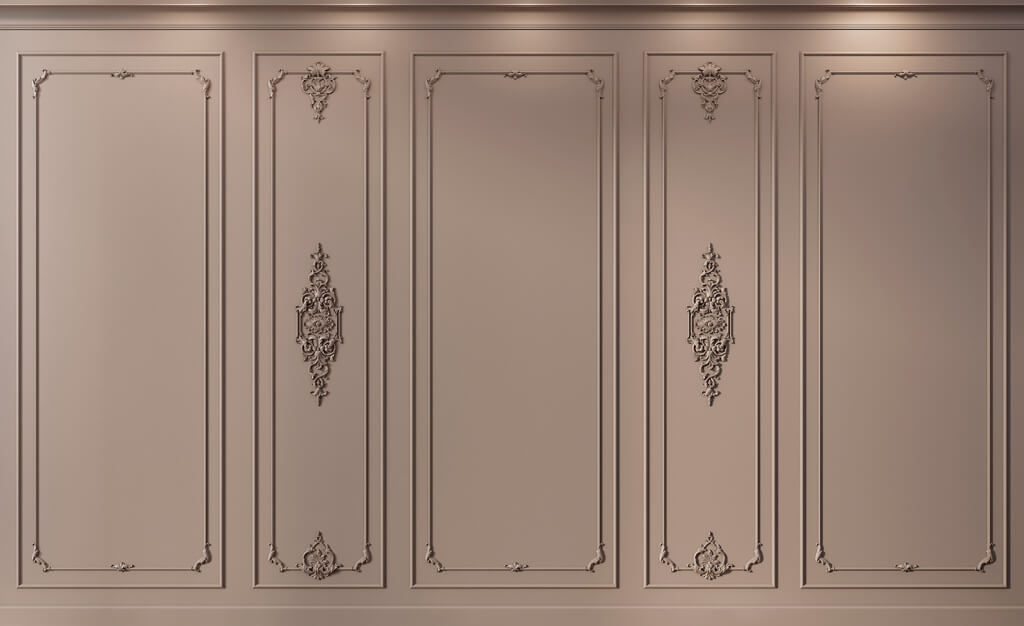
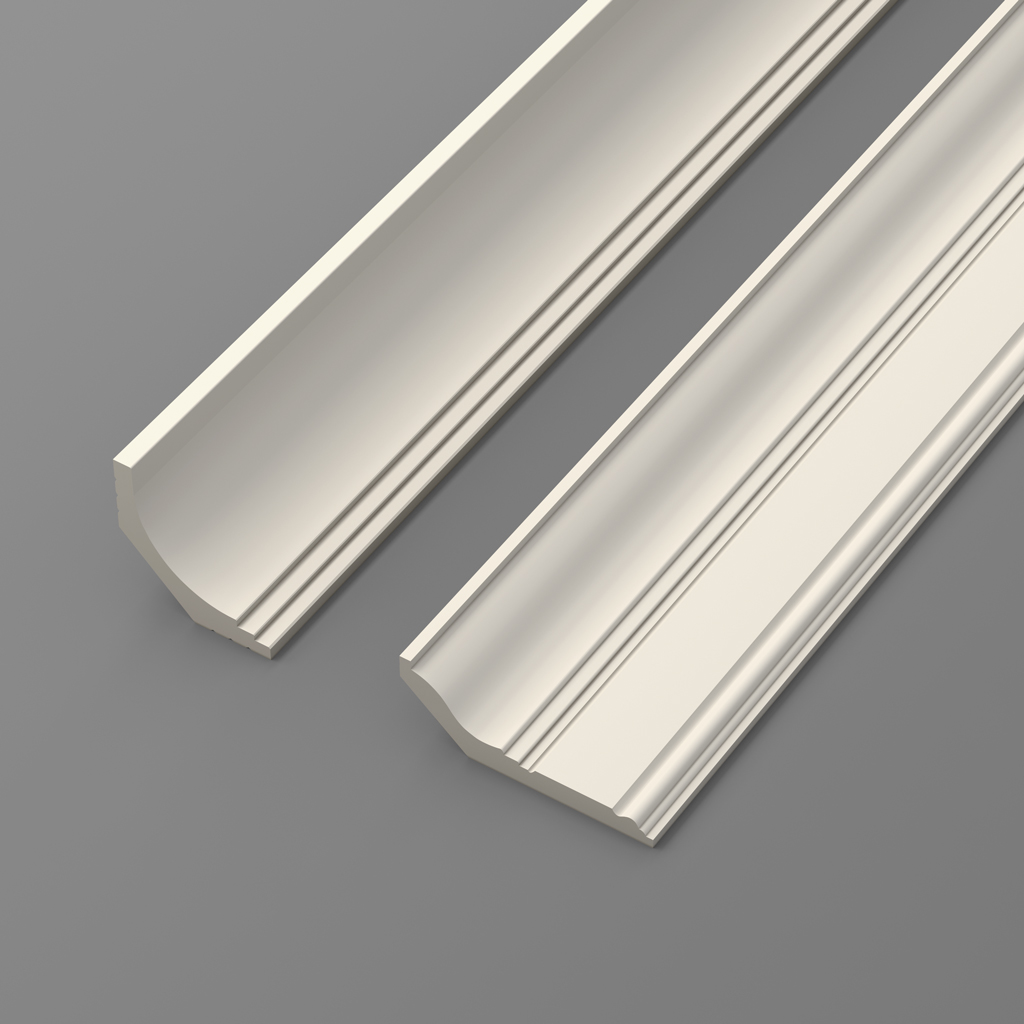
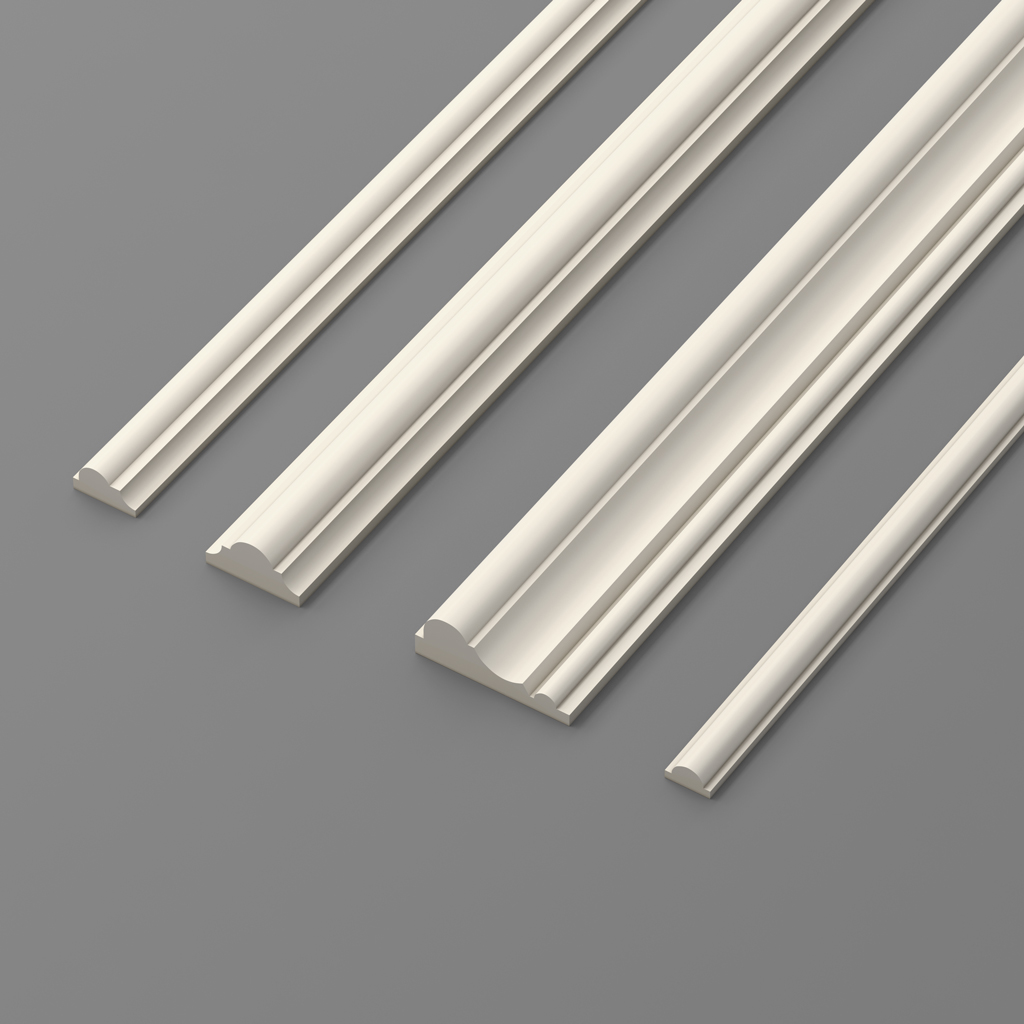
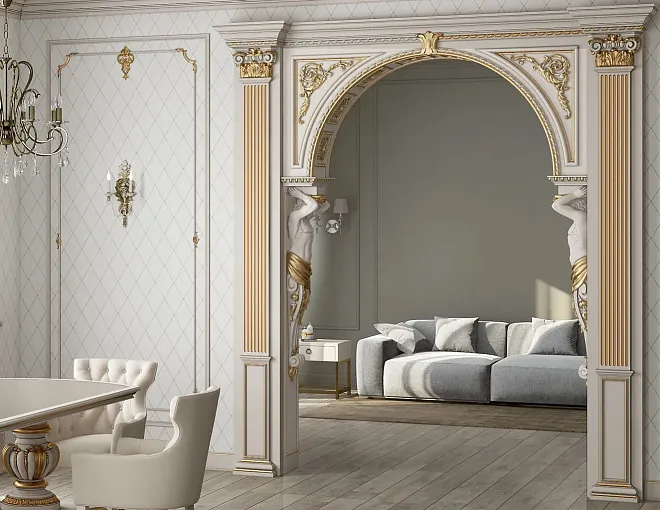
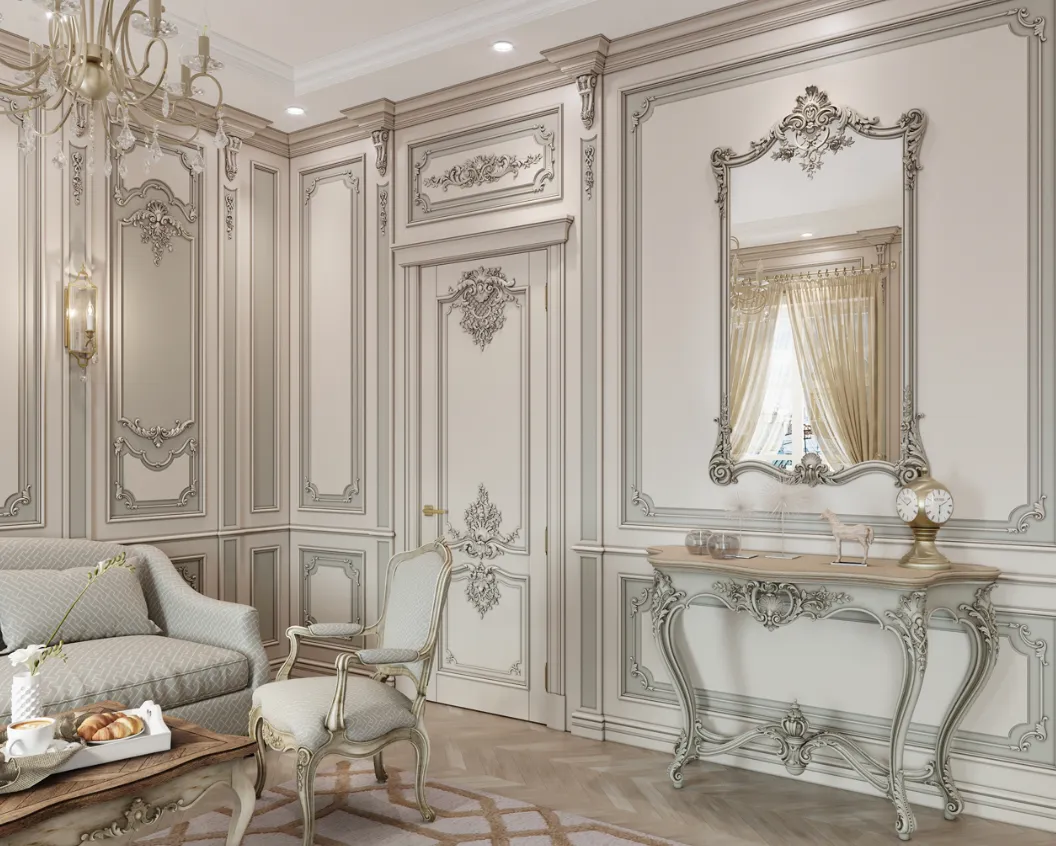
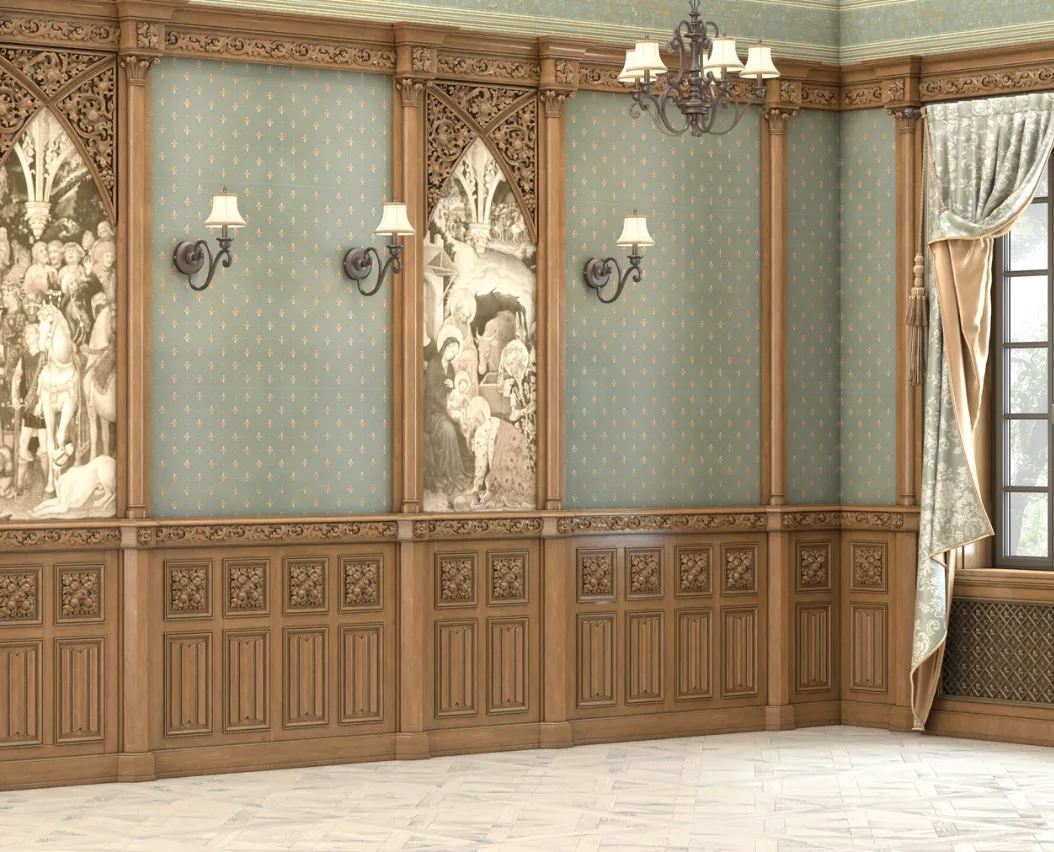
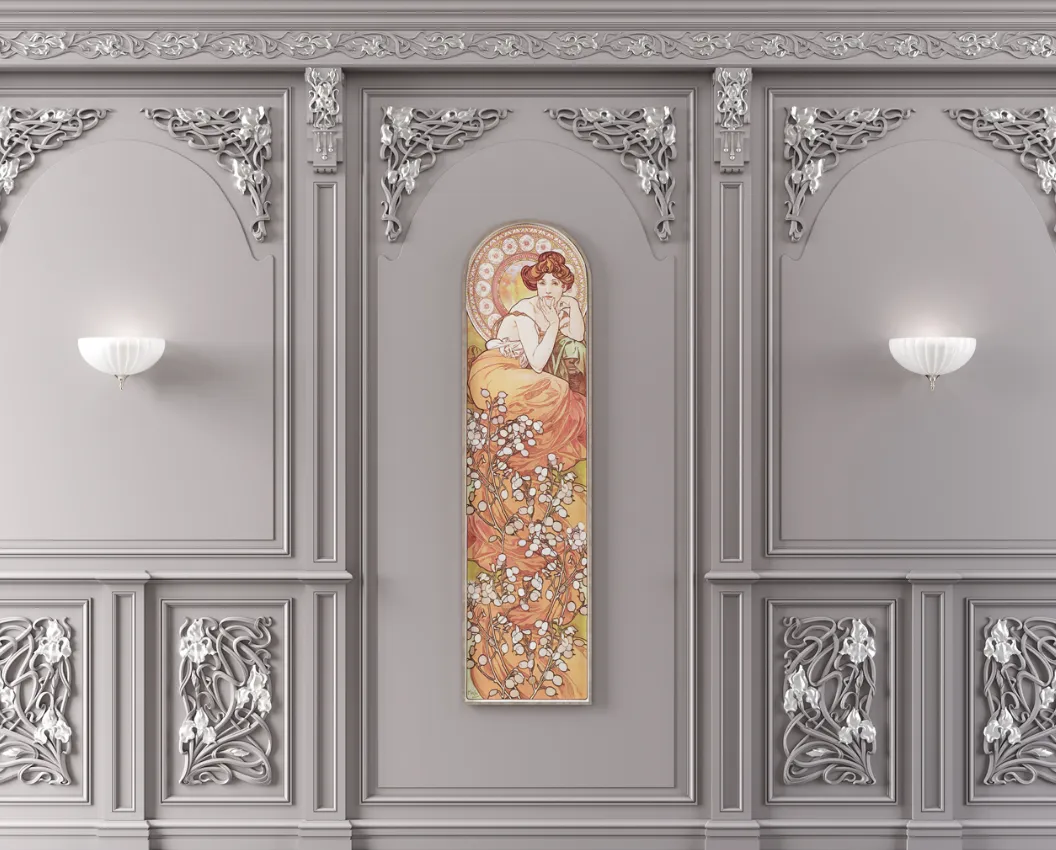
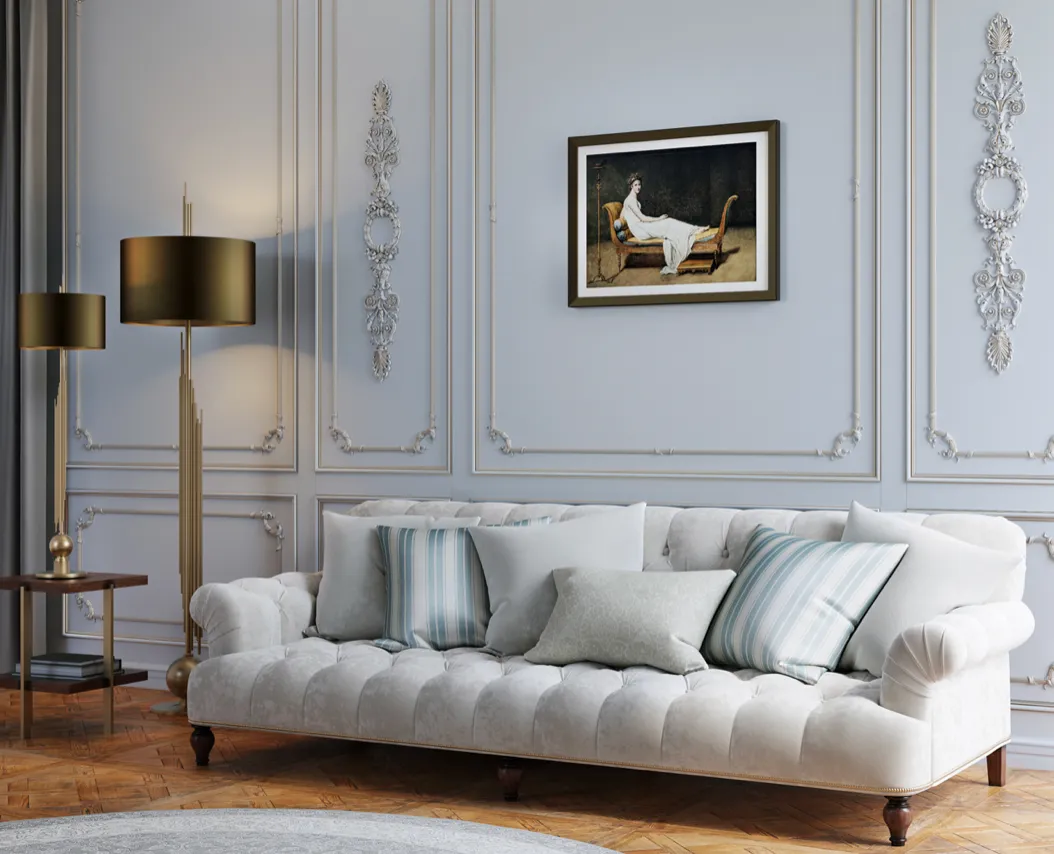
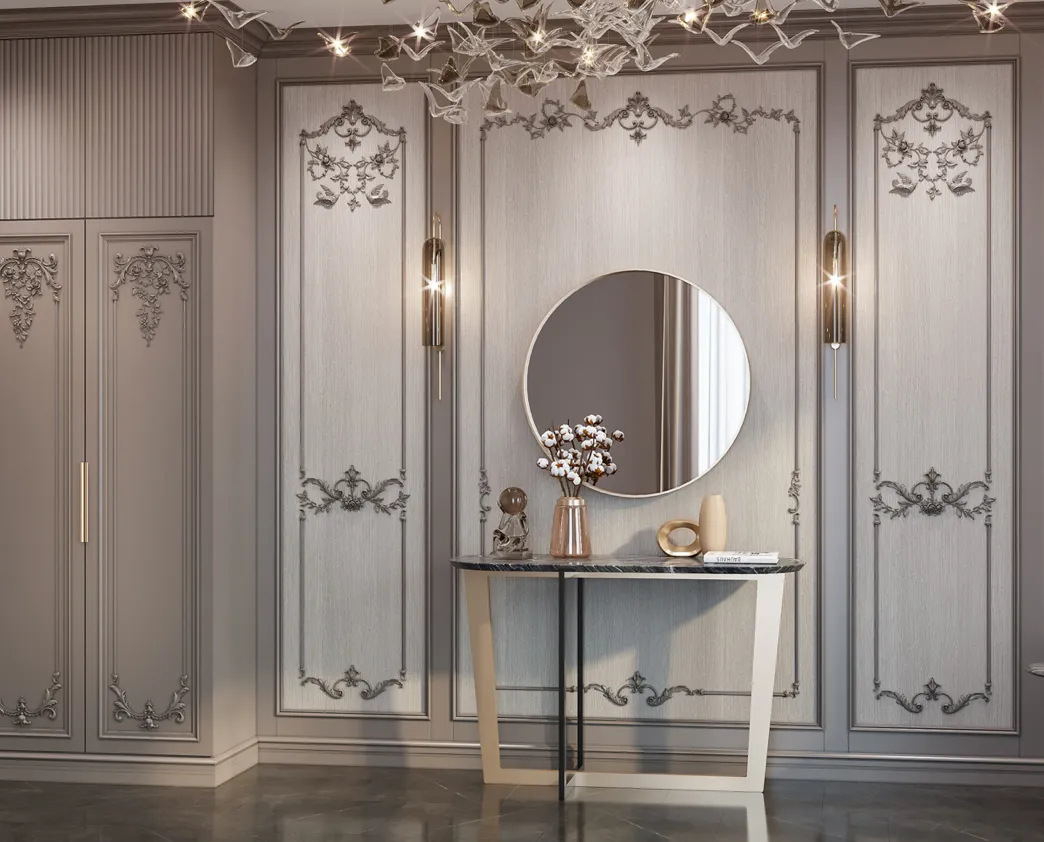
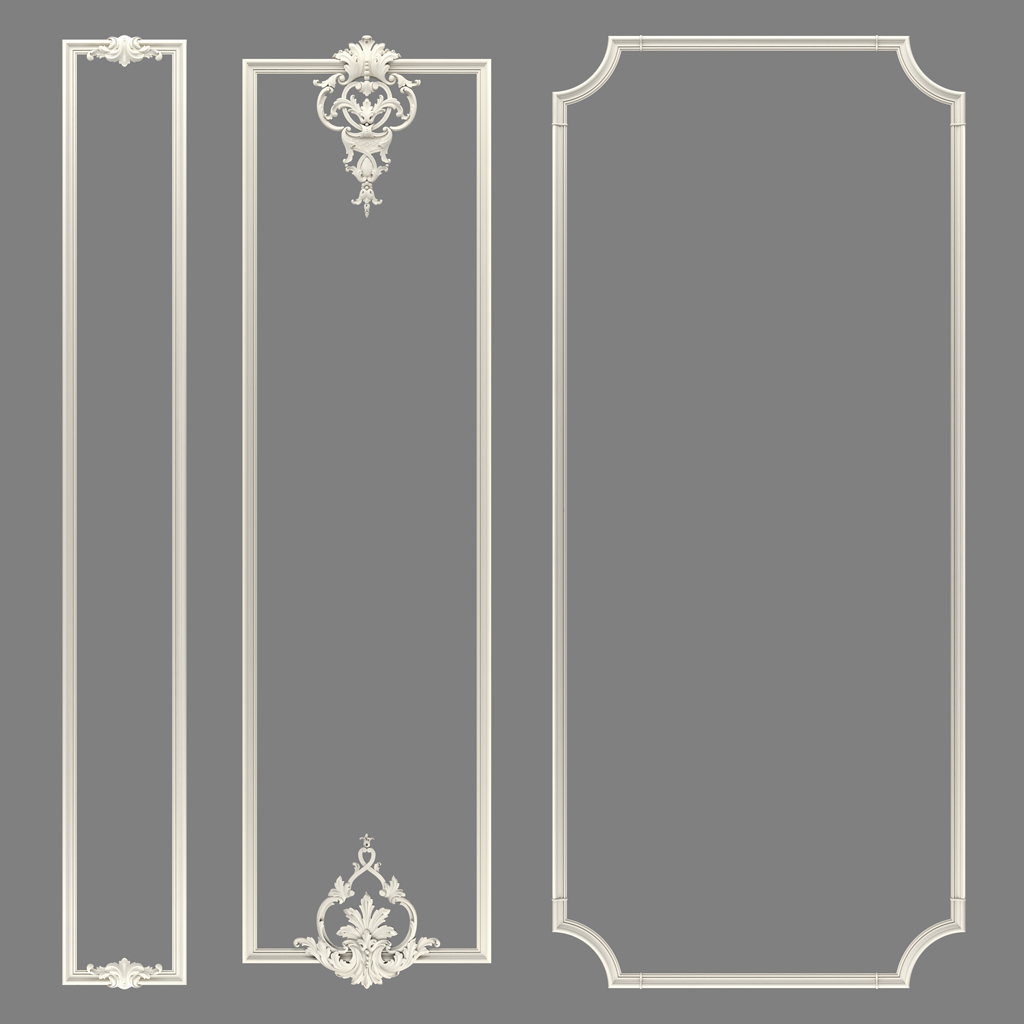
● Декорирование стен молдингами и панелями из полиуретана.
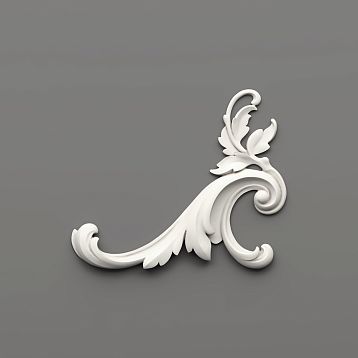
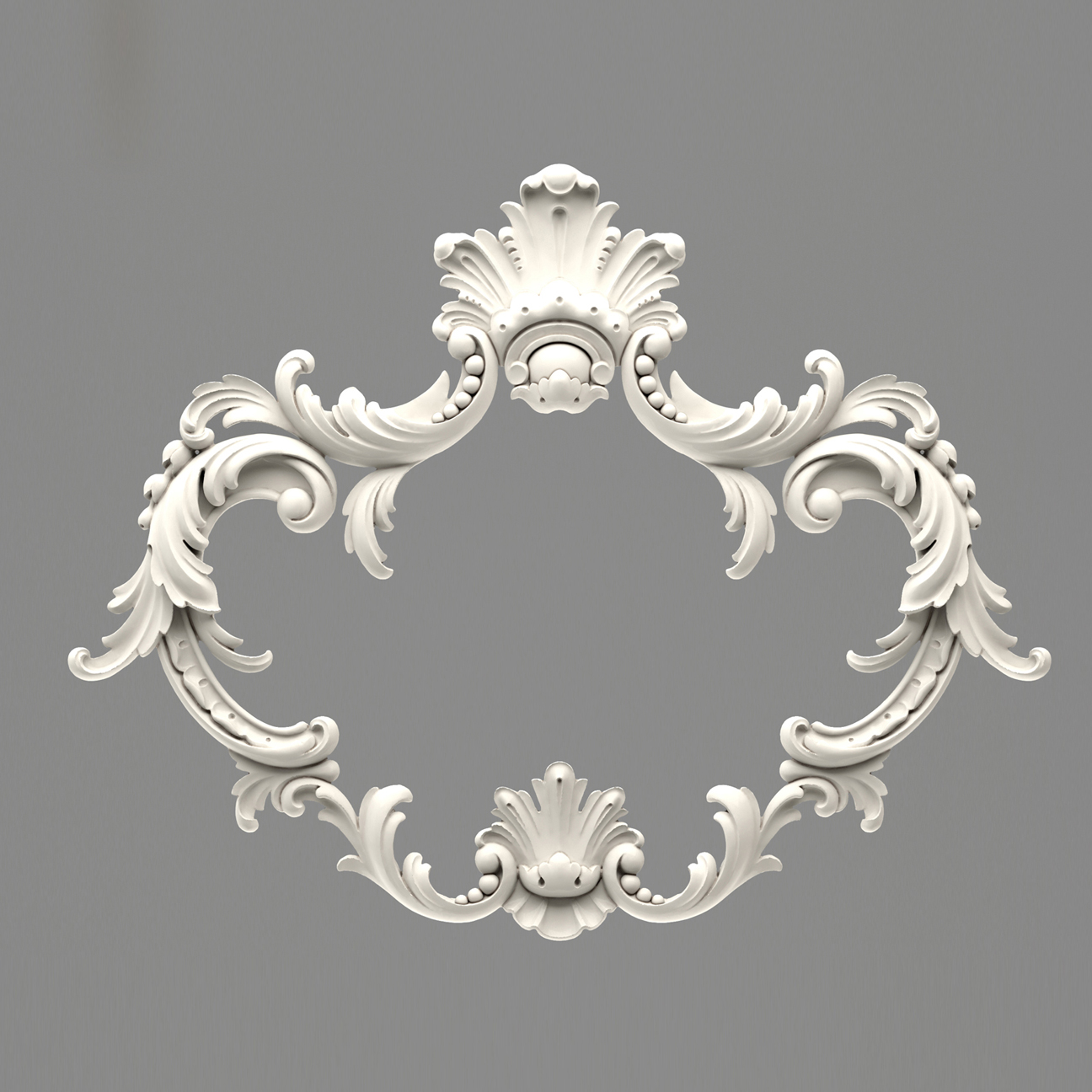
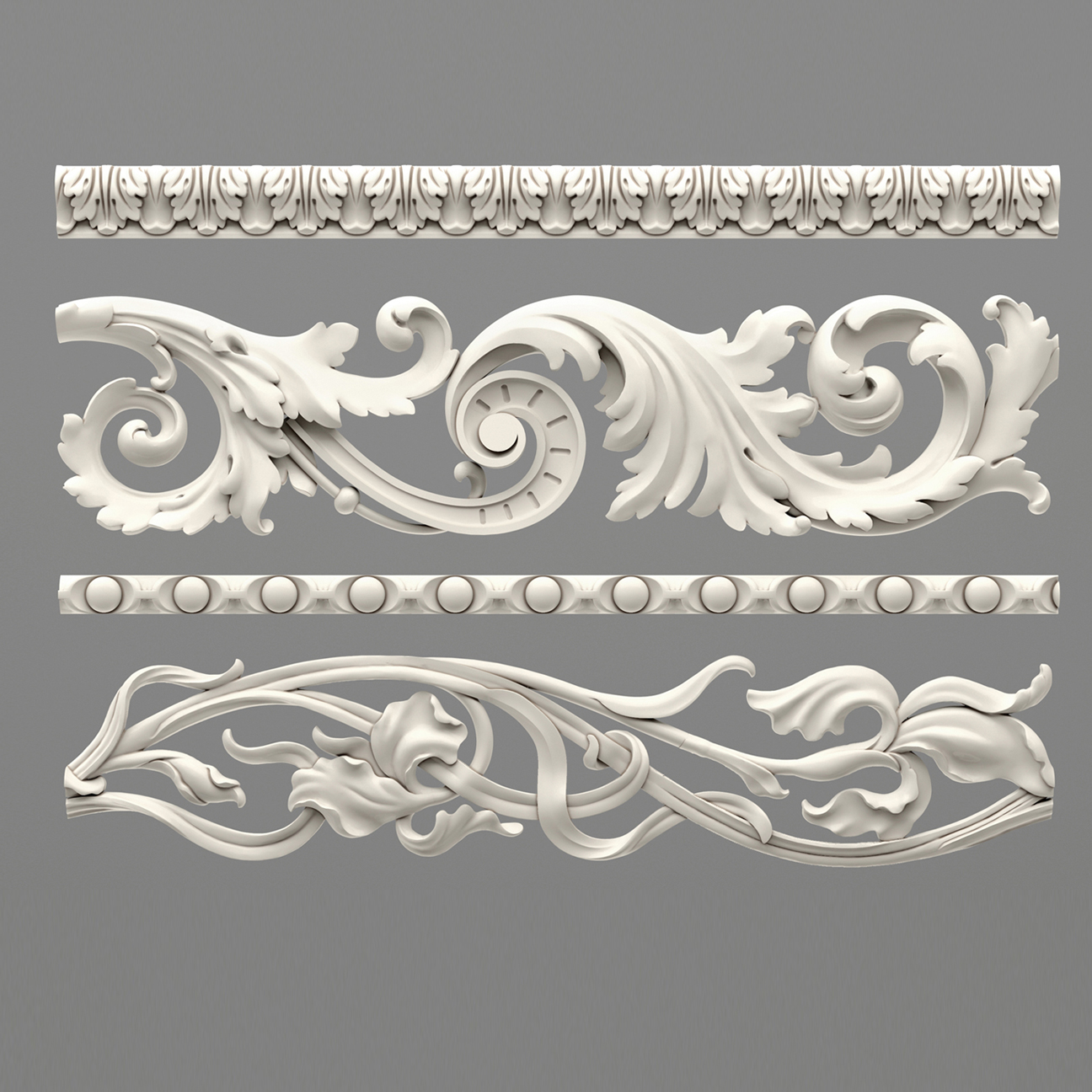
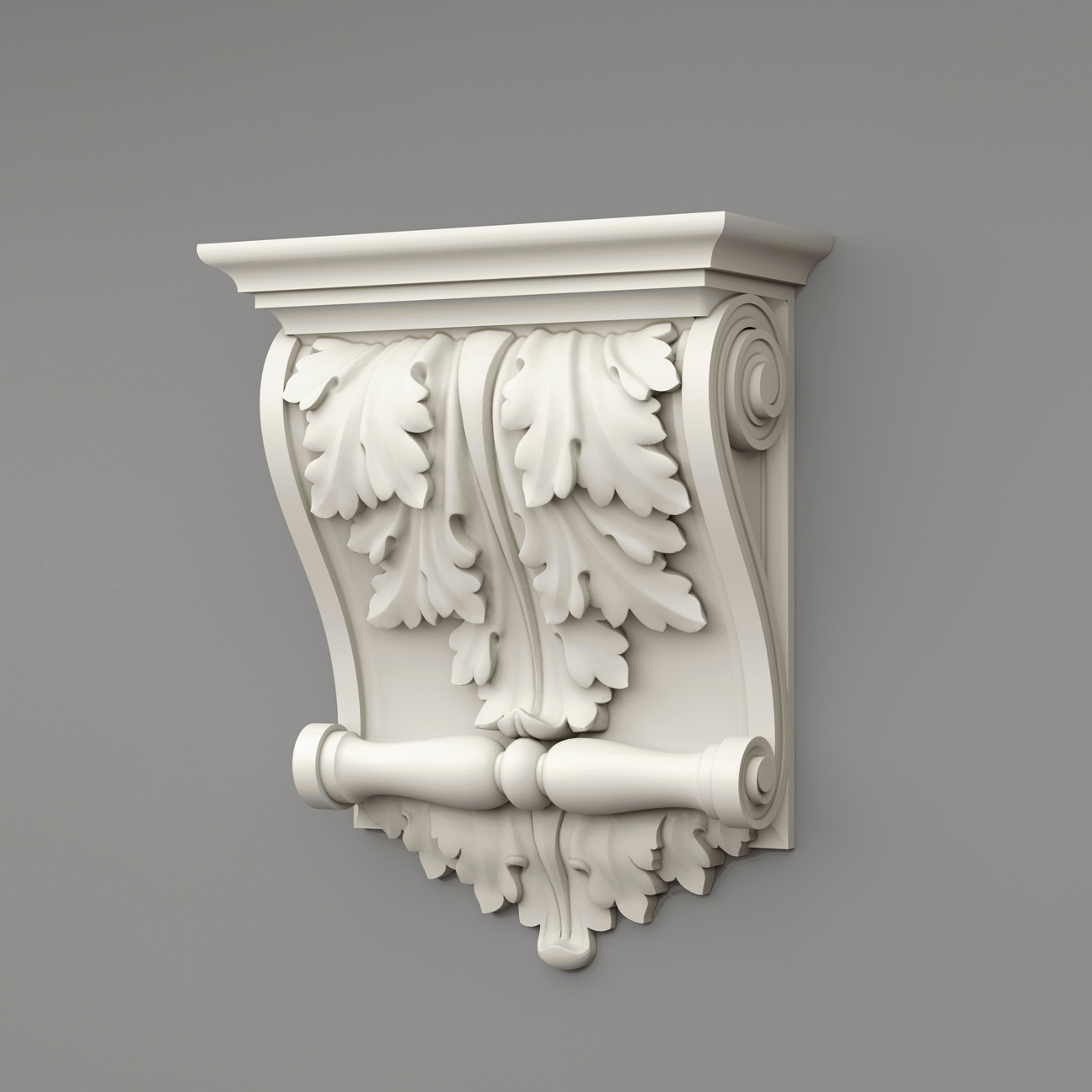
● Элементы лепнины и декоративных деталей, таких как накладки из полиуретана.
● Обязательно большое массивное рабочее кресло с кожаной обивкой.
Классический стиль отлично подходит для руководителей, юристов, преподавателей и всех, кто ценит традиции и основательность.
Наша фабрика также производит:


Смотреть весь Каталог продукции
Минимализм
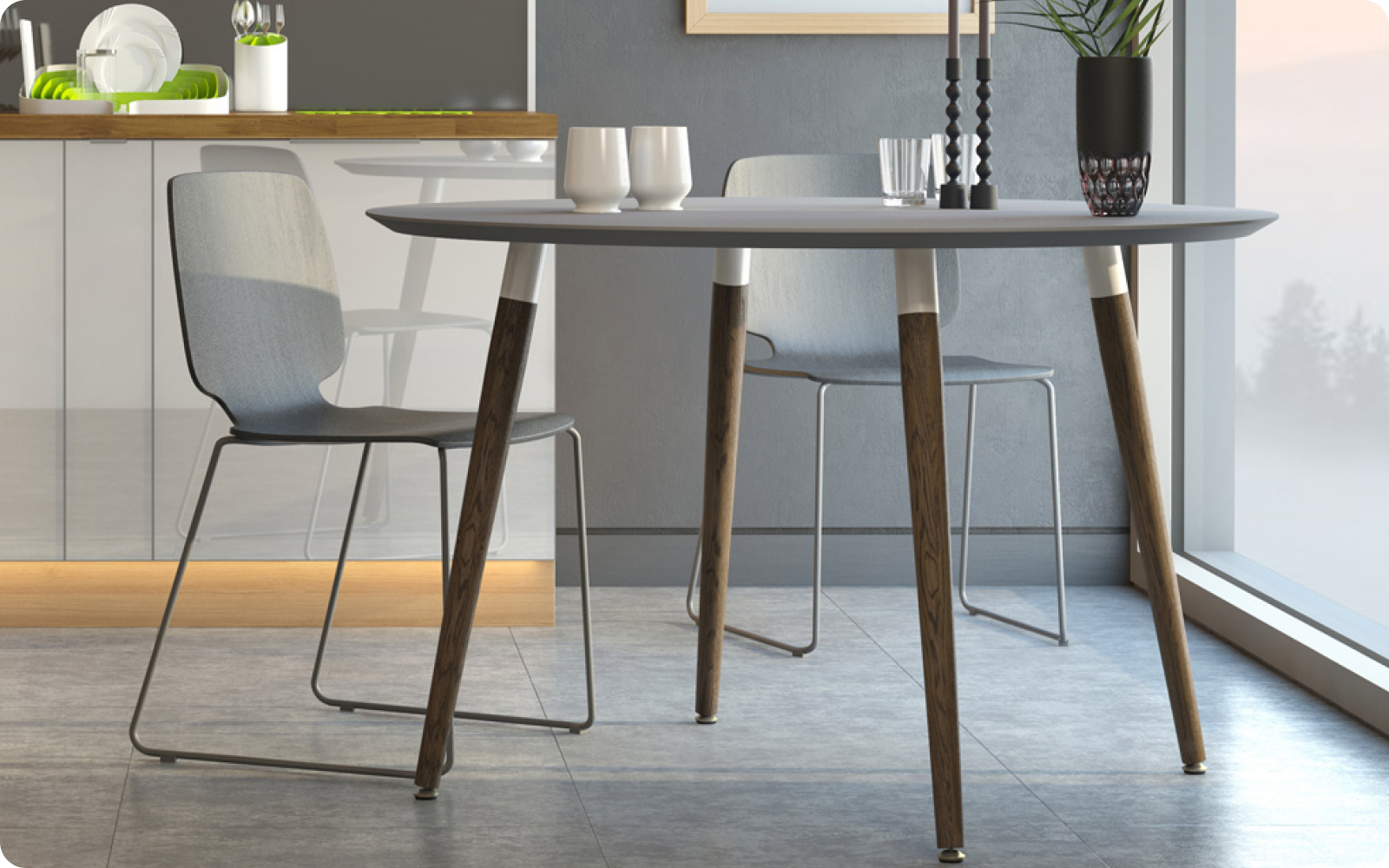
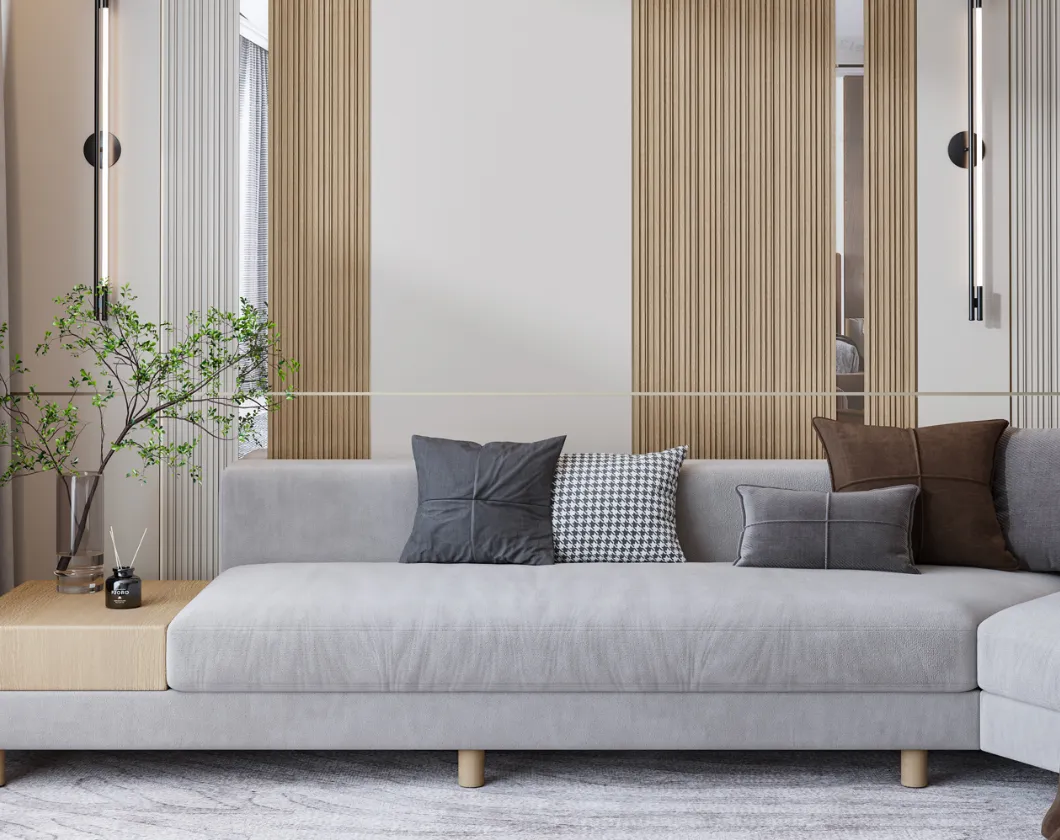
Минималистичный кабинет – это чистые линии, простота и функциональность. Основные принципы:
● Лаконичные формы, отсутствие лишних деталей.
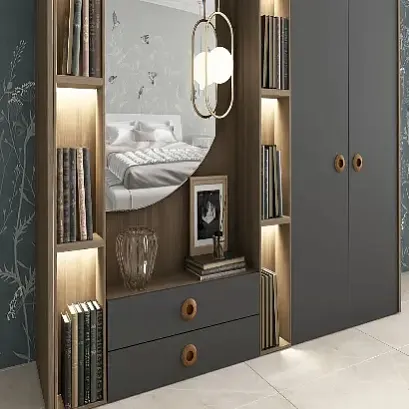
● Светлые или монохромные оттенки: белый, серый, черный, бежевый, графитовый.
● Минимум мебели: стол, удобное кресло, несколько полок для хранения.
● Использование качественных материалов: стекло, металл, дерево, бетон.
● Оформление стен минималистичными молдингами, которые придают пространству четкость.
Этот стиль особенно актуален для творческих людей, программистов, фрилансеров и всех, кто ценит порядок и лаконичность.
Получить консультацию
Лофт
Кабинет в стиле лофт – это сочетание индустриальной эстетики и свободы. Основные элементы:
● Открытые кирпичные или бетонные стены.
● Использование металла, кожи, грубых деревянных фактур.
● Открытые полки, подвесные светильники, металлические каркасы мебели.
● Декорирование стен с помощью накладок и декоративных панелей.
Такой дизайн подходит для дизайнеров, художников, фотографов и предпринимателей.
3. Освещение в кабинете
Грамотное освещение – один из главных факторов продуктивности. Оно должно быть достаточно ярким, но не раздражающим.
● Естественный свет – лучшее решение. Рабочий стол желательно расположить возле окна.
● Локальное освещение – настольная лампа с регулируемой яркостью поможет снизить нагрузку на глаза.
● Декоративная подсветка – можно использовать встроенные светильники, точечные лампы, скрытую LED-подсветку, чтобы создать мягкую атмосферу.
4. Мебель для кабинета
Правильный выбор мебели – это залог удобства и продуктивности.
Рабочий стол
● Должен быть достаточно просторным, чтобы разместить ноутбук, документы и аксессуары.
● В классическом кабинете – массивный деревянный стол. В минималистичном – легкий, на металлическом каркасе.
Кресло
● Должно обеспечивать поддержку спины, регулироваться по высоте и наклону.
● Хороший вариант – эргономичное офисное кресло с мягкой спинкой и подлокотниками.
Полки и системы хранения
● Важно предусмотреть стеллажи, шкафы или встроенные модули.
● В современном кабинете отлично смотрятся открытые полки с книгами, предметами декора.
5. Декоративное оформление
Помимо мебели и освещения, важно правильно подобрать декоративные элементы, которые придадут кабинету индивидуальность.
Стены
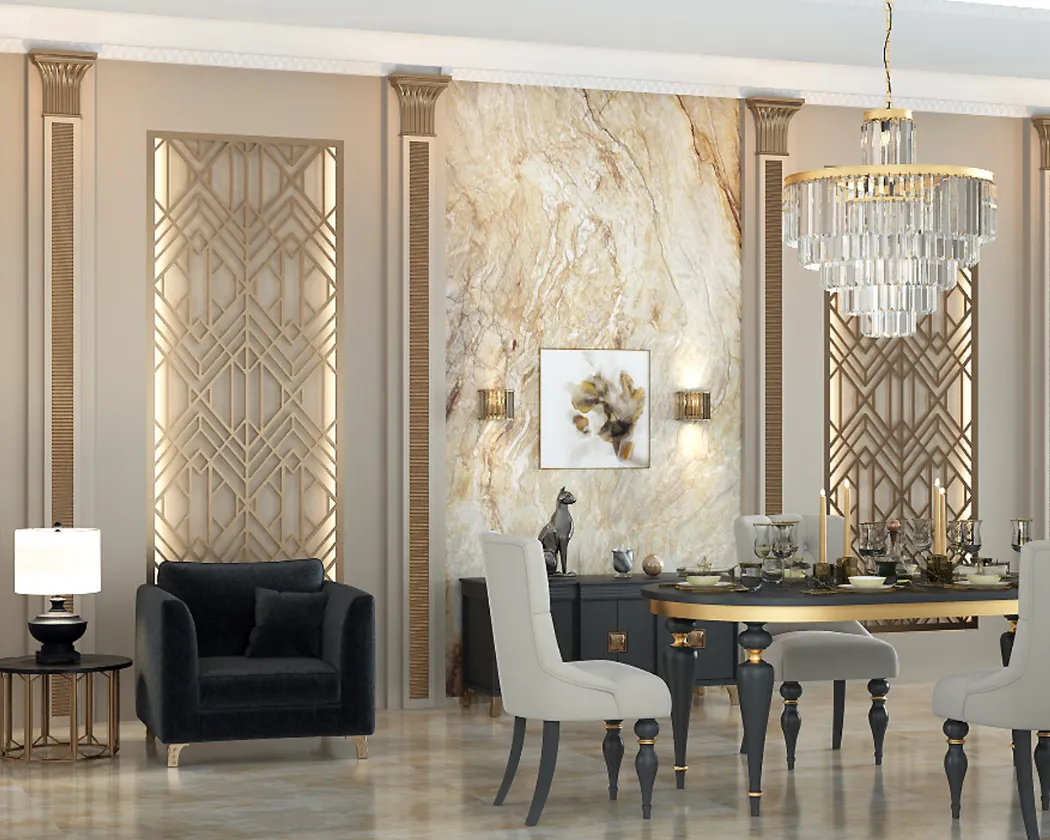
● Можно оформить с помощью молдингов и панелей из полиуретана, которые добавят интерьеру выразительности.
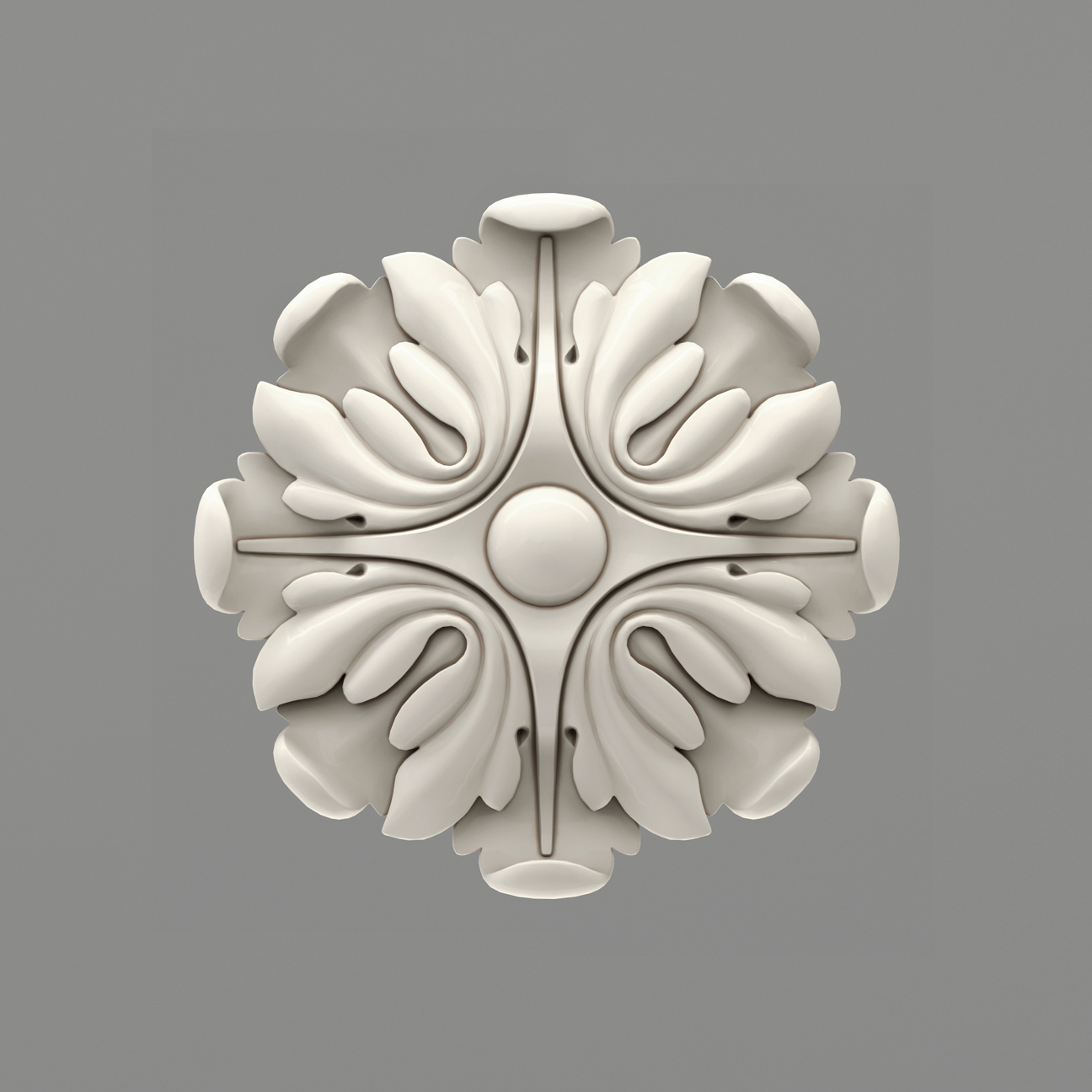
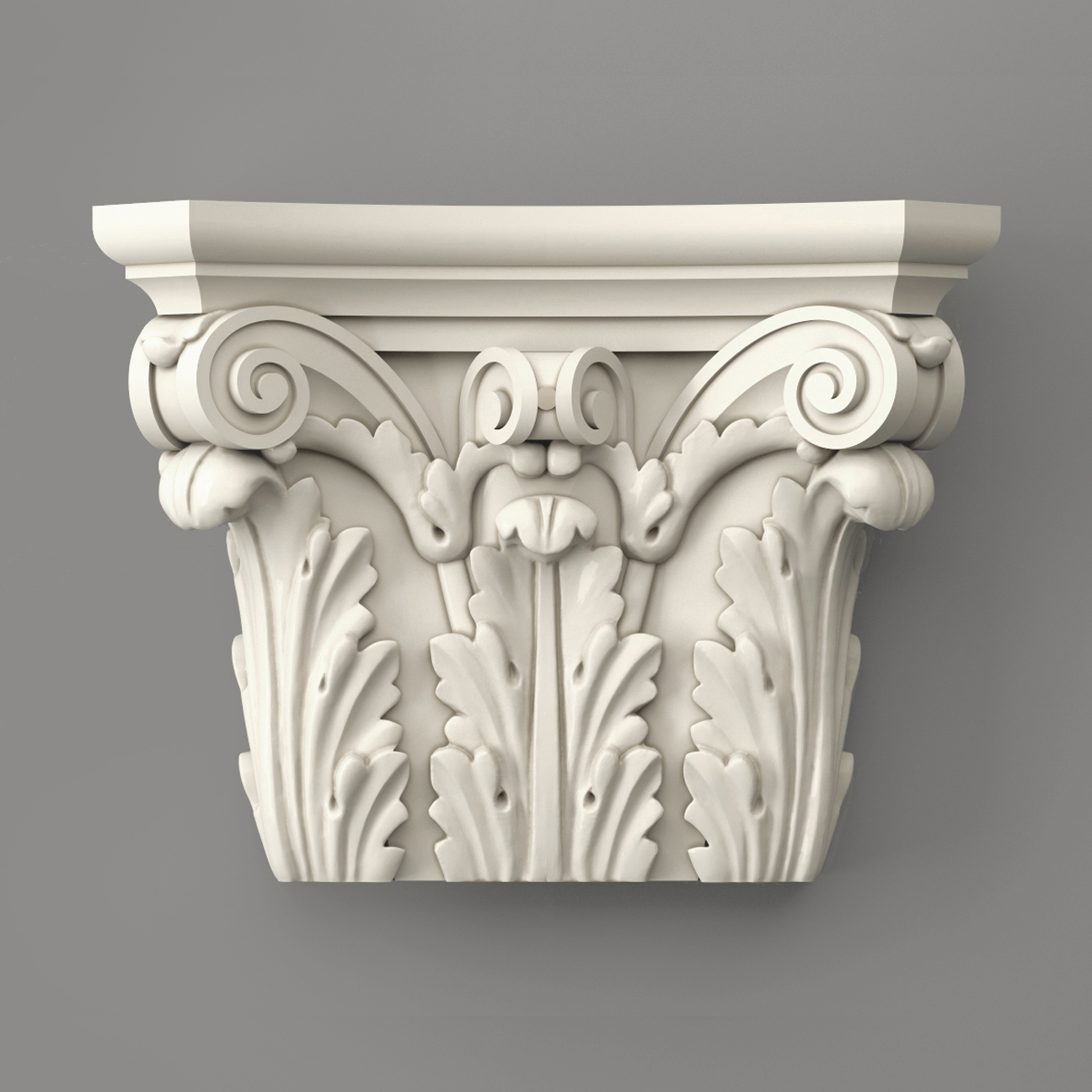
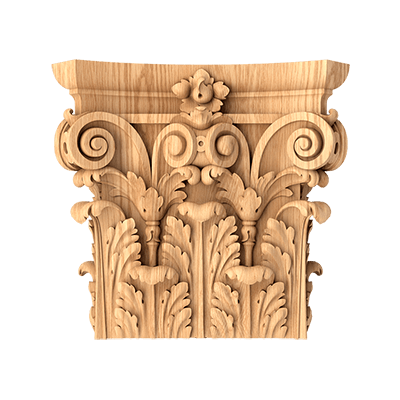
● В классическом кабинете уместны розетки и капители для создания архитектурных акцентов.
Аксессуары
● Часы, настольные лампы, картины или постеры помогают сделать интерьер уютным.
● Растения – важный элемент, который добавит свежести.
Заключение
Оформление кабинета – это процесс, требующий вдумчивого подхода, внимания к деталям и четкого понимания задач, которые это пространство должно выполнять. Кабинет – это не просто комната, где стоит стол и кресло, а место, в котором рождаются идеи, принимаются решения, достигаются цели. Он должен быть не только удобным и функциональным, но и вдохновляющим, заряжающим энергией и настроенным на продуктивность.
Функциональность и стиль: баланс, который важен
При проектировании кабинета необходимо найти золотую середину между эстетикой и комфортом. Пространство должно быть организовано так, чтобы все необходимые вещи находились под рукой, но при этом обстановка не перегружала сознание. Ключевые аспекты, на которые стоит обратить внимание:
● Рабочая зона – удобный стол и эргономичное кресло создают основу для комфортной работы. Важно выбрать такие предметы мебели, которые будут поддерживать осанку и обеспечивать удобство даже при длительном сидении.
● Система хранения – стеллажи, полки, шкафы помогут поддерживать порядок, который так необходим для концентрации. Хорошо продуманное хранение избавляет от лишних деталей, делает пространство чистым и воздушным.
● Цветовая палитра – теплые оттенки делают кабинет уютным, холодные – добавляют строгости и собранности, а контрастные цвета способствуют творческому мышлению.
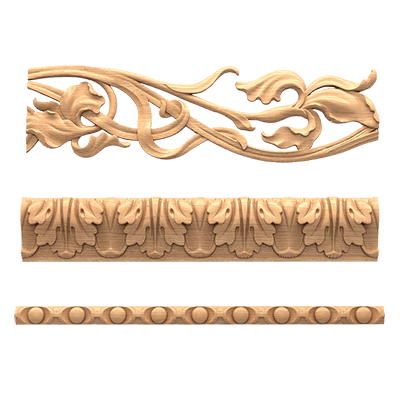
Кабинет – это место, в котором можно выразить свою индивидуальность, поэтому выбор декоративных элементов играет важную роль. Молдинги, накладки, розетки, погонаж и капители из полиуретана помогут создать интерьер, который будет подчеркивать статус, вкус и профессиональные амбиции владельца.
Освещение как важнейший фактор комфорта
Свет в кабинете – это не просто способ осветить рабочую поверхность, а инструмент, влияющий на концентрацию, настроение и общее восприятие пространства.
● Естественное освещение – важно располагать рабочий стол так, чтобы он находился рядом с окном. Дневной свет помогает глазам меньше уставать, создает ощущение бодрости.
● Функциональное освещение – настольные лампы, регулируемые светильники помогут скорректировать световой поток и снизить нагрузку на зрение.
● Декоративное освещение – точечные светильники, скрытая подсветка могут подчеркнуть геометрию пространства, добавить объем и сделать интерьер выразительнее.
Правильно подобранное освещение позволит создать интеллектуальную и одновременно расслабляющую атмосферу, в которой легко работать, читать, размышлять.
Декор: детали, которые создают атмосферу
Если интерьер кабинета кажется слишком холодным или однообразным, стоит добавить элементы, которые придадут пространству глубину и характер. Декоративные элементы из полиуретана – это универсальное решение, которое подходит для любого стиля.
● Молдинги и карнизы помогут оформить стены, добавив им элегантность и четкость.
● Накладки придают мебели и дверям выразительность, создавая эффект дорогого классического кабинета.
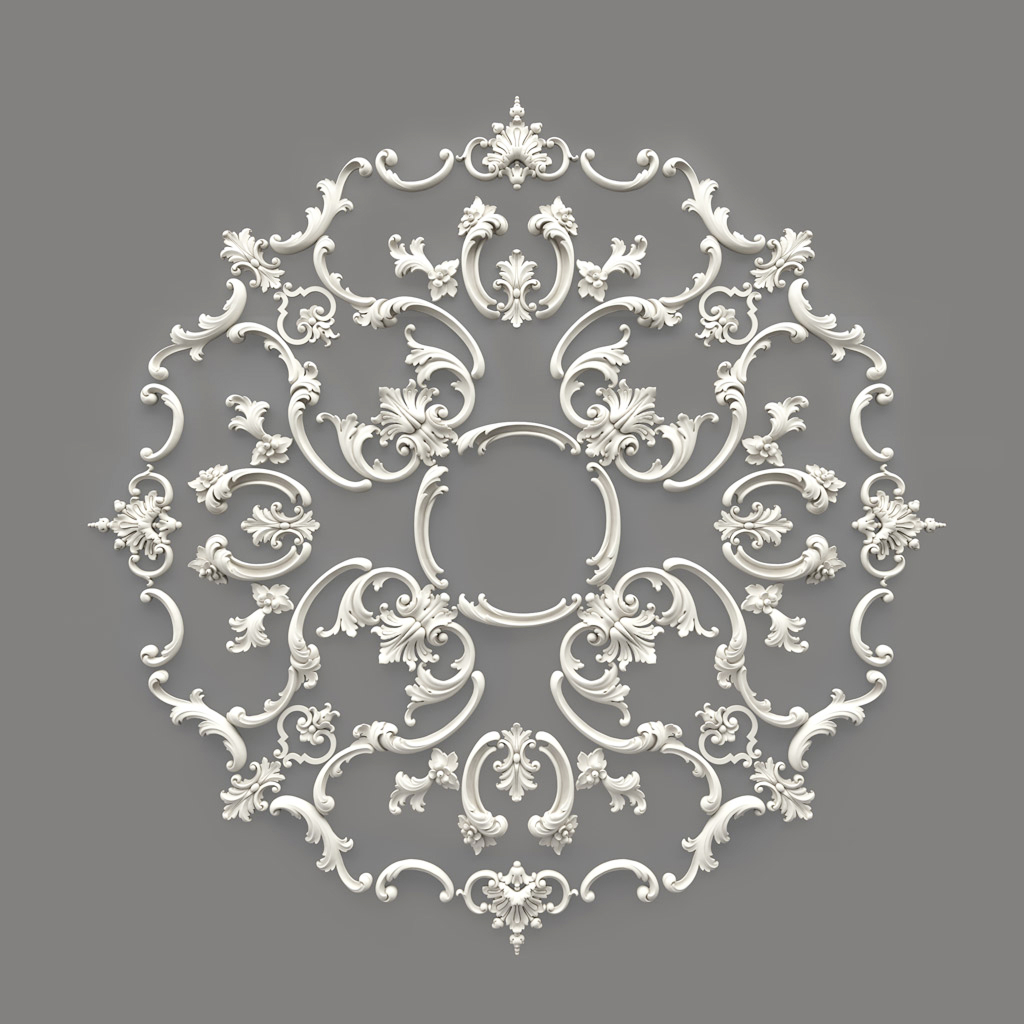
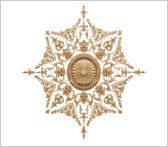
● Розетки подчеркнут центральную зону потолка, добавляя изысканности.
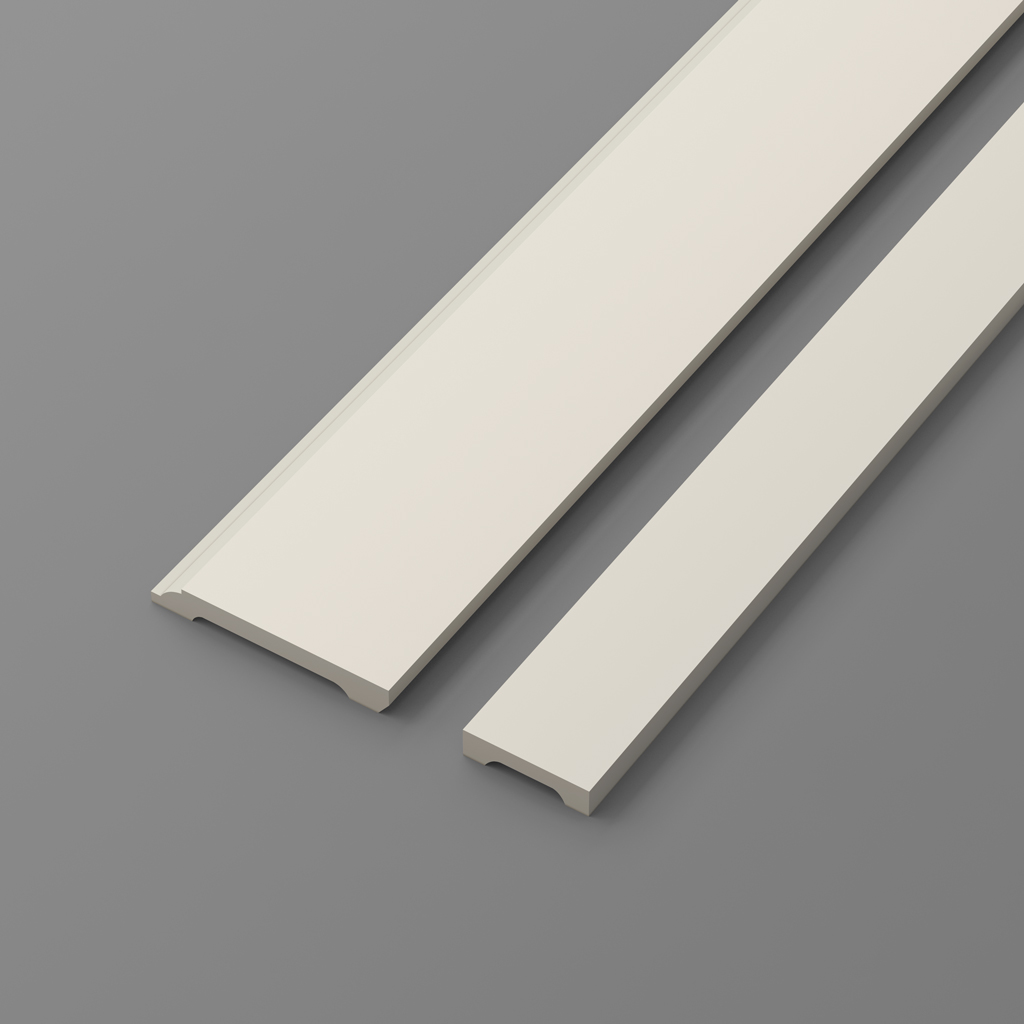
● Погонаж поможет создать четкие границы между зонами, делая интерьер более упорядоченным.
Все эти детали не просто украшают пространство, а делают его цельным, завершенным, стильным. Кабинет, в котором каждая деталь продумана, автоматически настраивает на работу, помогает сфокусироваться и достигать максимальной продуктивности.
Индивидуальность в интерьере
Кабинет должен отражать личность его владельца. Это может быть проявлено в цветах, форме мебели, выборе аксессуаров. Некоторые предпочитают лаконичный минимализм, где ничего не отвлекает, а другие – классическую респектабельность, создающую атмосферу респектабельного кабинета руководителя.
Каким должен быть ваш идеальный кабинет? Просторным и минималистичным или уютным и насыщенным декоративными элементами? Вы предпочитаете строгие линии или классические мотивы? Оформление кабинета – это возможность выразить свой стиль, характер, привычки.
Создайте пространство, в котором приятно работать
Проектирование кабинета – это не просто подбор мебели и отделки. Это создание среды, которая будет вдохновлять, помогать концентрироваться и поддерживать мотивацию.
Использование декоративных элементов из полиуретана делает интерьер более выразительным, а правильно подобранная мебель обеспечивает удобство и комфорт.
Какой стиль оформления вам ближе? Как вы представляете идеальный кабинет?
Ознакомьтесь с ассортиментом декора из полиуретана для интерьера на сайте STAVROS и создайте рабочее пространство, которое будет вдохновлять каждый день!