





















Article Contents:
- Structure of the Russian polyurethane molding market
- STAVROS: leader of Russian polyurethane decor production
- History and establishment of the company
- Production base and technologies
- Assortment and collections
- Delivery Geography and Logistics
- Perfect: affordable Russian polyurethane
- Strategy and positioning
- Sales channels
- Decomaster: mid-price segment with European quality
- Production and Technologies
- Assortment and collections
- Promotion and positioning
- Comparison of Russian manufacturers: characteristics table
- Russian manufacturers vs European brands
- Material quality
- Assortment and design
- Price
- Availability and lead times
- Conclusion
- Certification and quality control of Russian products
- Mandatory certification
- Internal quality control
- Advantages of buying from Russian manufacturers
- Price
- Availability and lead times
- Adaptation to the Russian market
- Service and support
- Warranties and liability
- Import substitution: results and prospects
- 2014-2022: gradual substitution
- 2022-2026: accelerated import substitution
- Quality leap
- Prospects
- Frequently asked questions about Russian molding manufacturers
- Can the quality of Russian polyurethane molding be trusted?
- Which Russian manufacturer is the best?
- How does Russian molding differ visually from European?
- Where to buy molding directly from the manufacturer?
- Do Russian manufacturers provide a warranty?
- Is custom molding order possible based on sketches?
- How to verify certificates of a Russian manufacturer?
- Conclusion: Russian molding — the choice of present and future
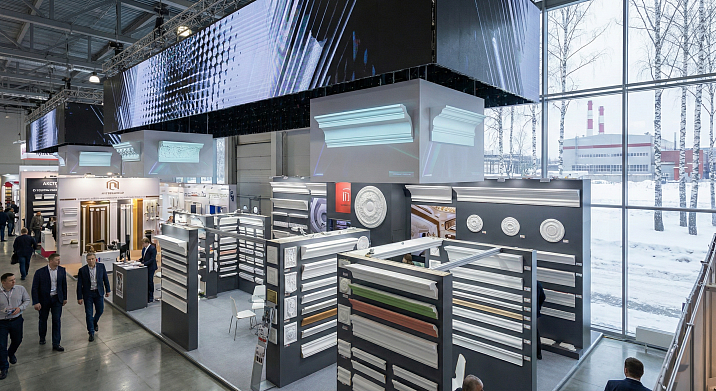
Where is the molding you see in stores produced? Who stands behind the cornices, moldings, rosettes, columns filling the catalogs of interior salons?Polyurethane molding manufacturer Russia— a query entered monthly by thousands of designers, architects, builders, homeowners. They seek not just a product, but a source — a factory, plant, manufacturing company that guarantees quality, assortment, supply stability, adequate prices. In 2026, the Russian polyurethane molding market is represented by dozens of players — from large factories with their own production lines to small companies working with tolling raw materials.
Why know the manufacturer? Does it really matter who made the cornice if it looks the same? No, it does matter. Manufacturers differ in many parameters: polyurethane density (from 200 to 400 kg/m³ — a twofold difference affecting strength and durability), geometry accuracy (cheap molding has deviations up to 5 mm over 2 meters length, critical for corner joints), surface quality (factory primer can be smooth or with drips, bubbles), assortment (some offer 50 items, others 500), production timelines (large factories maintain stock, small ones make to order in 2-4 weeks), delivery geography (regional companies don't deliver beyond the region, federal ones work throughout Russia).
This article is a complete overview of the Russian polyurethane molding manufacturers market in 2026. We will analyze the largest players, their specialization, price segments, competitive advantages. Compare domestic products with European ones. Discuss certification, quality control, import substitution trends. This is a guide for professionals and private buyers making decisions about purchasing molding.

Structure of the Russian polyurethane molding market
Russian polyurethane decor production began forming in the early 2000s, when European pressure casting technologies entered the market en masse. Before that, molding was either gypsum (heavy, fragile, expensive) or imported polyurethane (accessible only to the premium segment due to high prices and logistics).
Firstpolyurethane molding factoriesin Russia appeared in Moscow and St. Petersburg — the largest sales markets with high demand for decorative materials. Production was built on two models: purchasing European molds and producing under European brands by license (cheaper but limits assortment to others' designs) or creating own molds based on historical samples and modern developments (more expensive initially but provides design freedom and competitive advantage).
By the 2010s, several major players had formed, controlling significant market shares. Simultaneously, dozens of medium and small productions appeared, operating on regional scales. Sanctions in 2014 and 2022 accelerated import substitution — many companies previously reselling European molding started their own production or reoriented to Russian suppliers.
In 2026, the Russian polyurethane molding market is estimated at 8-12 billion rubles annual turnover. Growth is 15-20% annually, driven by a boom in private construction, rising population income, and popularization of classical and neoclassical interiors. Production capacities of the largest factories range from 500 thousand to 2 million linear meters of molding per year.
STAVROS: leader of Russian polyurethane decor production
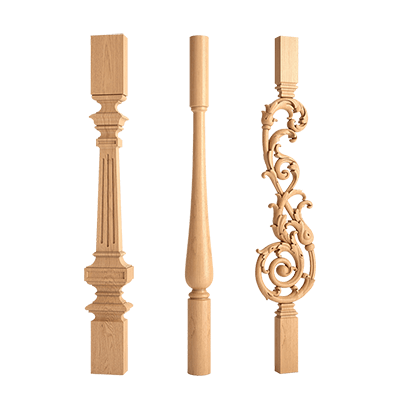
Company STAVROS holds a special place on the Russian market. This is not just apolyurethane molding factory, but a full-fledged production ecosystem combining several directions: wood carving, polyurethane product manufacturing, MDF decor, furniture components, interior doors.
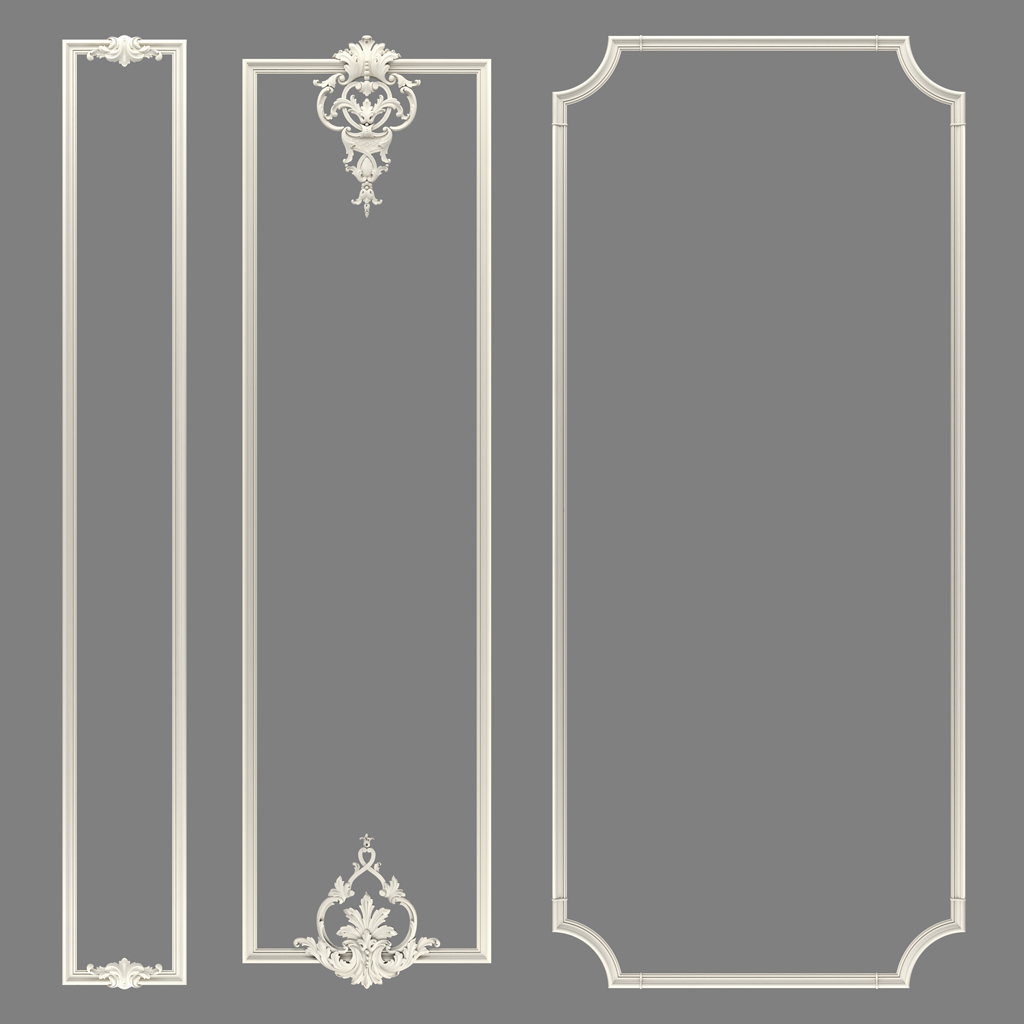
Our factory also produces:

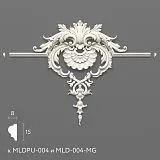
Company history and establishment
STAVROS was founded in 2002 by a group of woodcarving artists — Andrey Ragozin, Alexander and Evgeny Tsapko. The project began as a small workshop of hand wood carving in St. Petersburg. The first major order that brought the company to the federal level — participation in restoring interiors of the Konstantinovsky Palace in Strelna, the residence of the President of Russia. Work on the historical object required highest craftsmanship, accuracy in reproducing classical ornaments, which became the company's hallmark.
In 2007, LLC 'Stavros' and the company trademark were registered. Production area expanded to 250 square meters, first CNC milling machine purchased, staff increased to 16 people. Production automation began — transition from fully manual carving to combined method (workpiece on machine, final finishing by hand).
2015 became a turning point — STAVROS begins production of polyurethane products. Why polyurethane? Because despite all the beauty of wood, it has limitations: high price (oak or beech solid wood is expensive), weight (wooden cornices are heavy, require reinforced fastening), moisture sensitivity (wood deforms in humid environments). Polyurethane solves these problems: cheap, light, moisture resistant, while visually indistinguishable from wood or plaster after painting.
The first batch of polyurethane molding included basic elements — cornices, baseboards, moldings of simple profiles. Molds were created based on wooden master models, hand-carved by company craftsmen. This provided uniqueness — STAVROS designs did not copy European catalogs, but were created from scratch, based on historical archives, museum collections, designers' original developments.
In 2018, an export department was created — STAVROS products begin supplying to 25+ countries worldwide: USA, Italy, UAE, Mexico, France, Spain, Germany, China. Export confirms world-class quality — Western buyers, having access to best European brands, choose Russian molding for price-quality ratio and design uniqueness.
Get Consultation
Production base and technologies
STAVROS production complex is located in St. Petersburg, with branches in Moscow. Total production and warehouse area exceeds 5000 square meters. This allows maintaining large stock reserves (over 90% of catalog items available for immediate shipment), producing serial and custom orders in parallel, ensuring short production timelines for individual projects (2-3 weeks vs 4-8 weeks for competitors).
Polyurethane molding production technology — pressure casting in silicone molds. Polyurethane mixture (composition: polyol, isocyanate, catalysts, pigments) is poured into a mold, where under pressure and temperature polymerization occurs — transition from liquid mixture to solid product. Polymerization time 5-15 minutes depending on element thickness and complexity. After extraction from mold, product is cooled, undergoes quality control, primed, packaged.
Silicone molds — key production asset. One mold costs from 50 to 500 thousand rubles depending on size and complexity. Mold lifespan 500-2000 castings, after which silicone wears out, loses accuracy, mold is replaced. STAVROS has its own mold production — master model (wooden or wax) is created by carvers or printed on 3D printer, then silicone mold is taken from it. This allows quickly introducing new items without dependence on external mold suppliers.
The density of STAVROS polyurethane is 280-350 kg/m³. This is a medium-high density, providing a balance between strength (elements do not crumble or break during transportation and installation) and weight (light enough for installation without structural reinforcement). For comparison: cheap Chinese molding has a density of 180-220 kg/m³ (lighter but more fragile, shorter service life), European premium molding has a density of 350-400 kg/m³ (maximum strength, but more expensive and heavier).
Range and Collections
the STAVROS catalogincludes over 4000 decorative SKUs, of which about 500 are polyurethane moldings. The range is divided into categories:
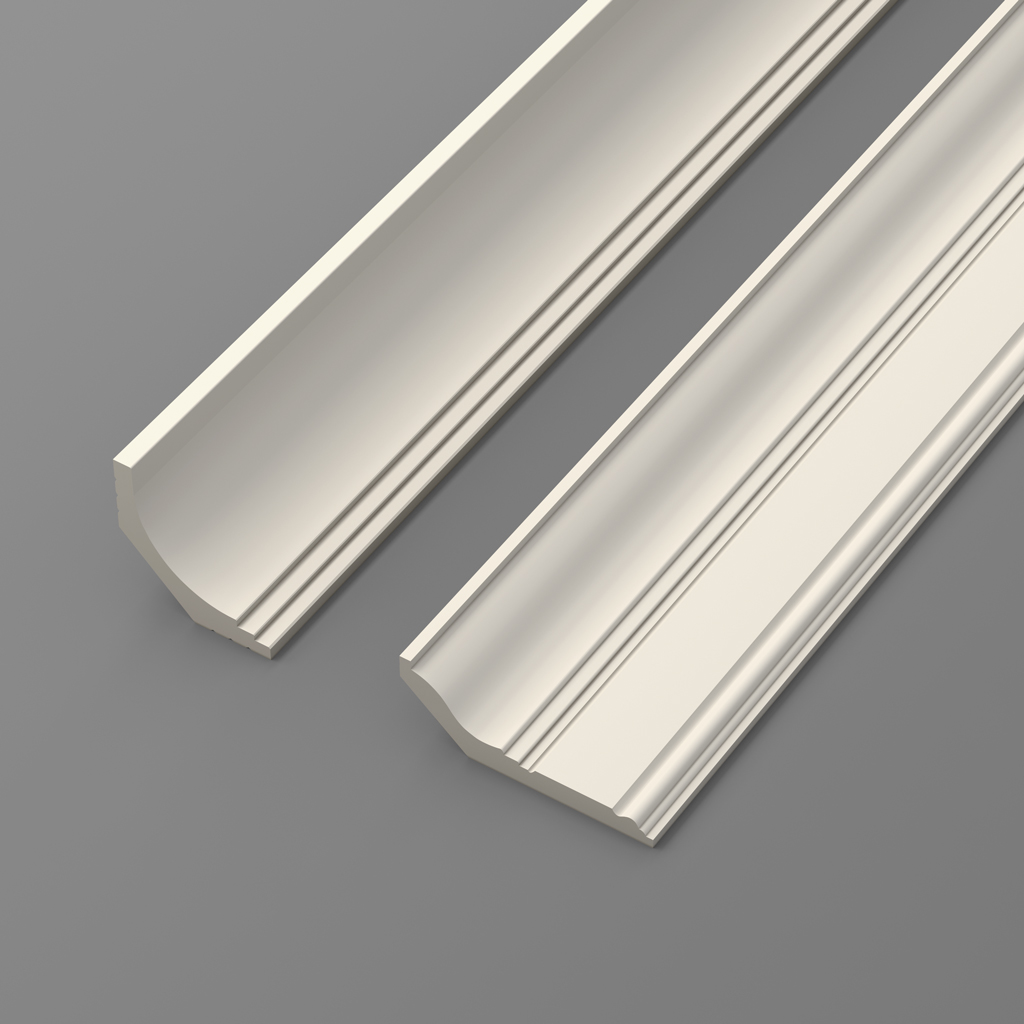
Ceiling Cornices. Over 80 profiles, width from 40 to 250 mm, section length 200-240 cm. Styles: classic, neoclassical, modern, baroque, gothic, minimalism. Profiles range from simple smooth ones (for modern interiors) to carved multi-step ones (for palace styles).
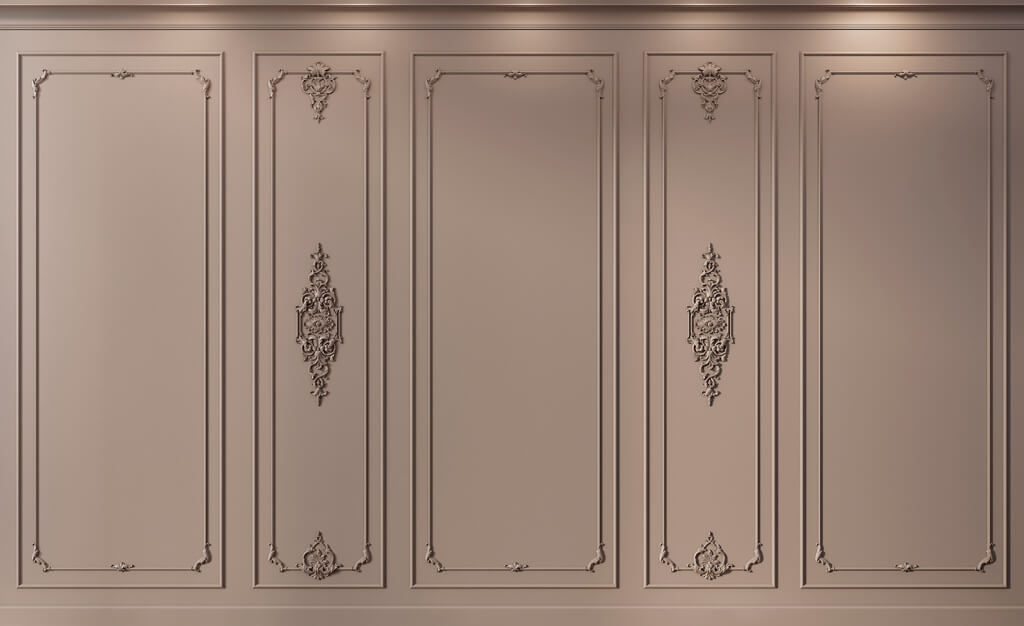
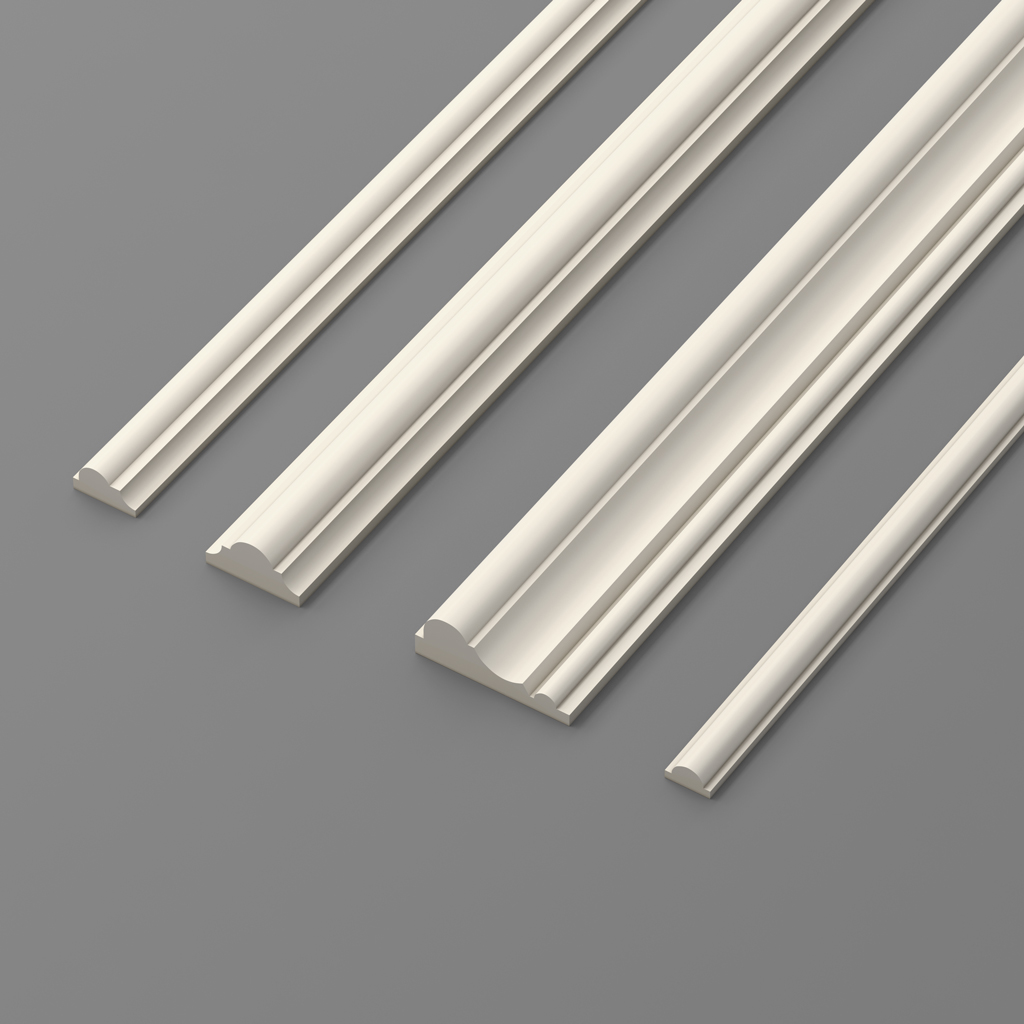
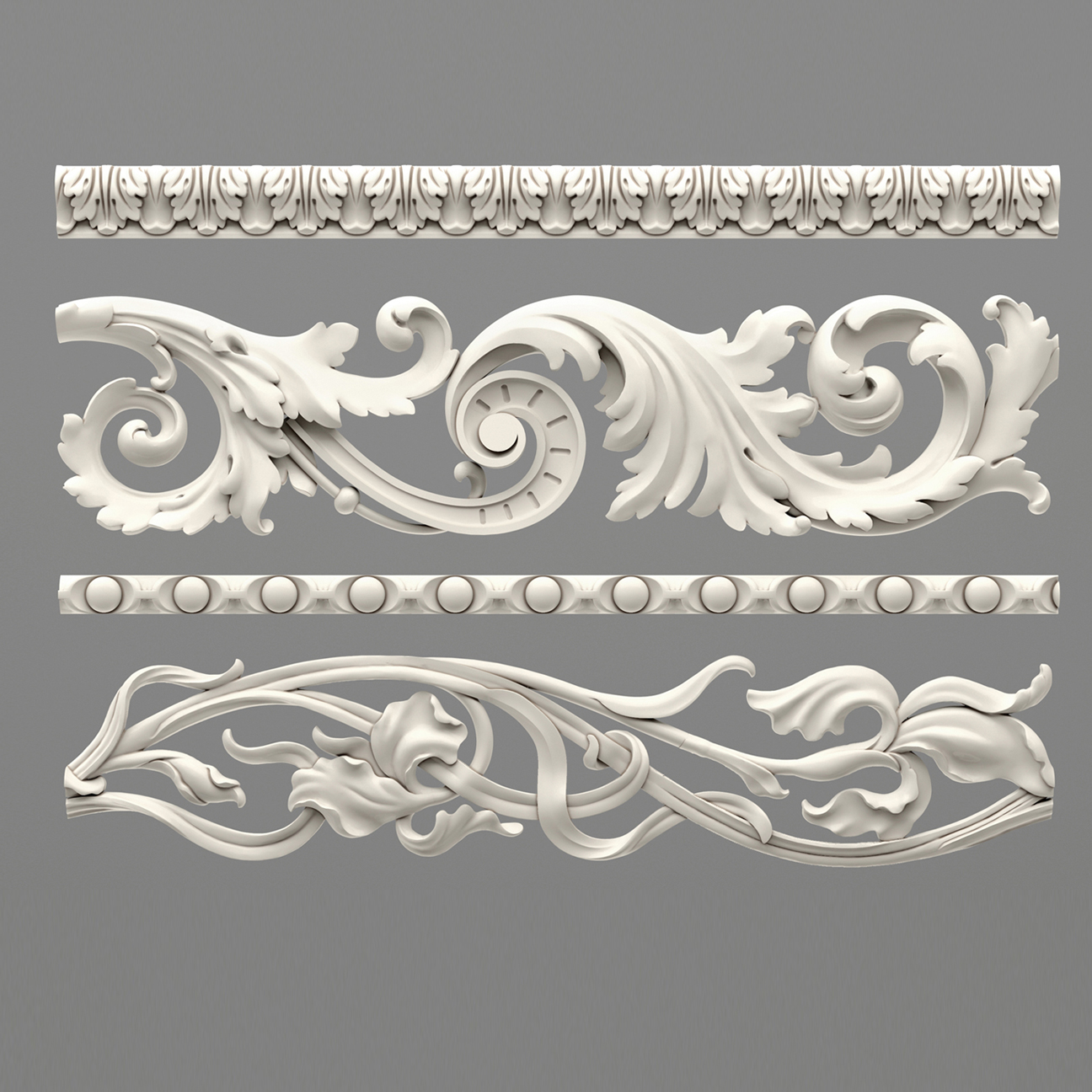
Wall Mouldings. Over 70 profiles, width from 30 to 150 mm. Used to create decorative panels, frame doors and windows, and zone spaces. Profiles replicate classical architectural orders (Doric, Ionic, Corinthian) and modern geometric patterns.
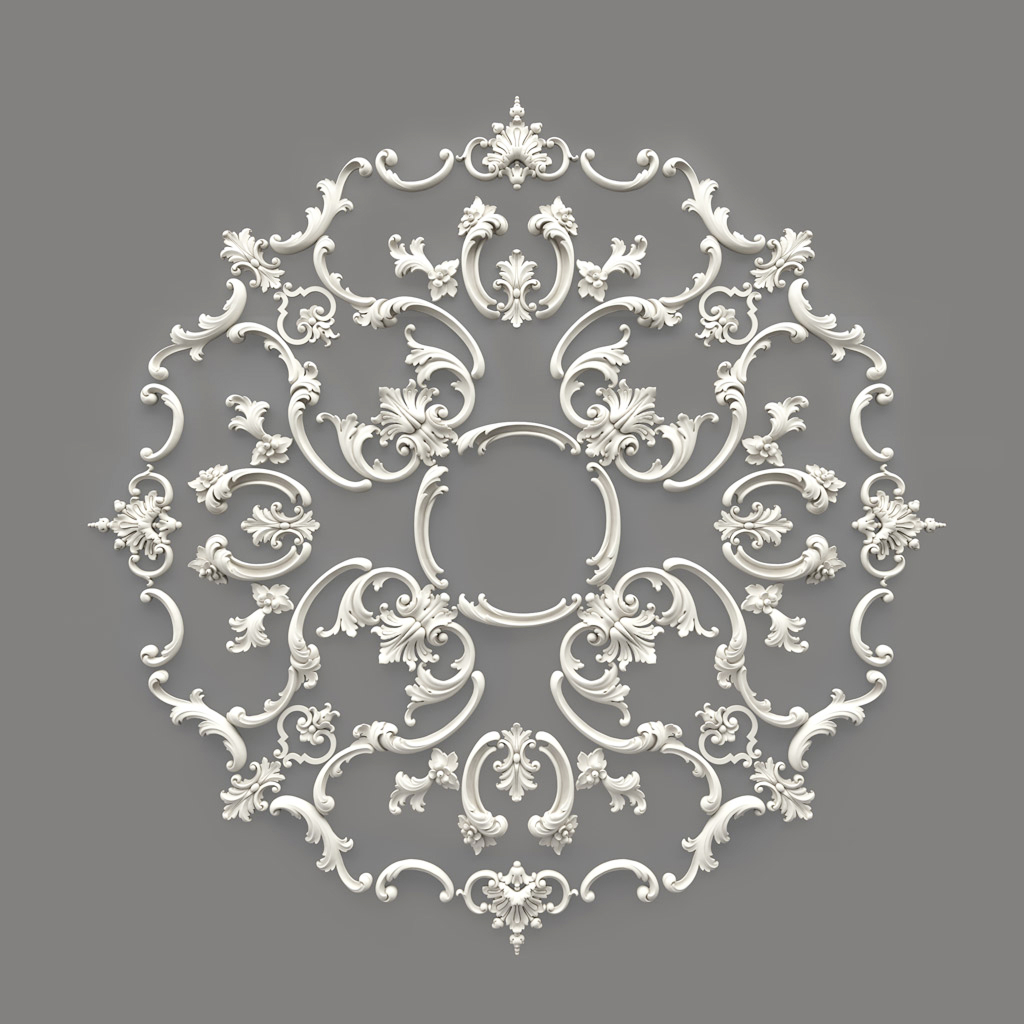
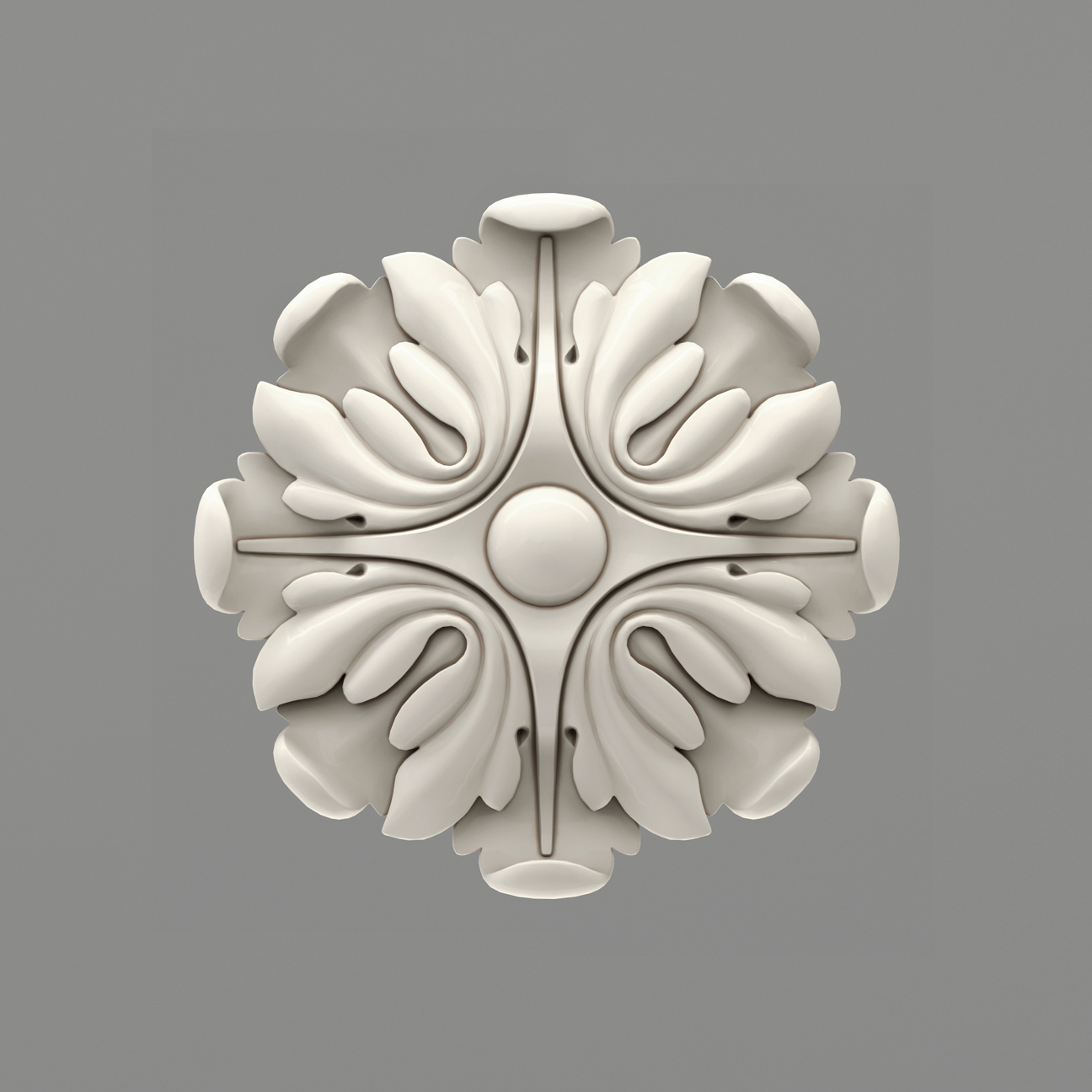
Ceiling Rosettes. Over 50 designs, diameter from 30 to 120 cm. From simple concentric circles (for minimalism) to complex multi-tiered compositions with floral ornaments (for classic and baroque styles).
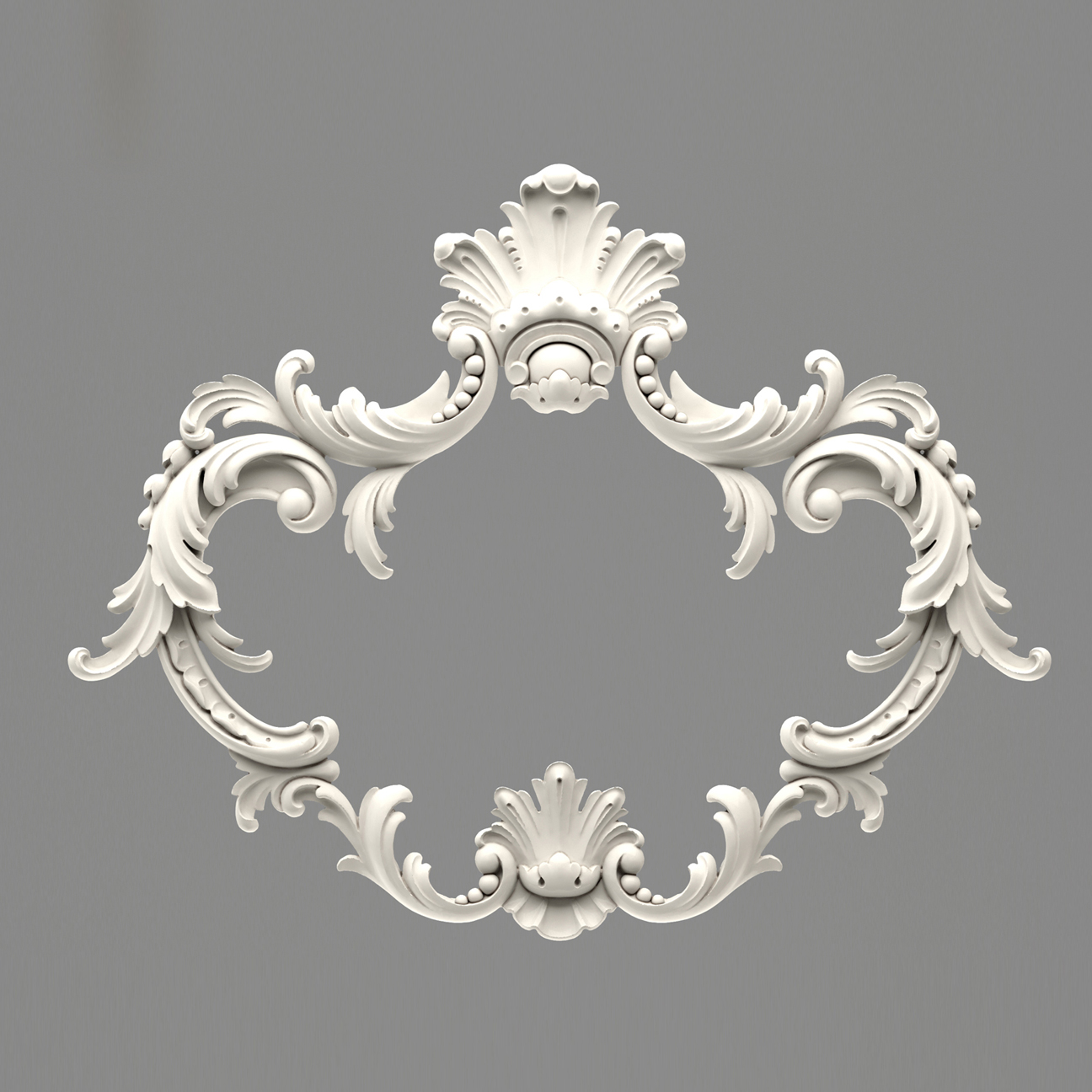
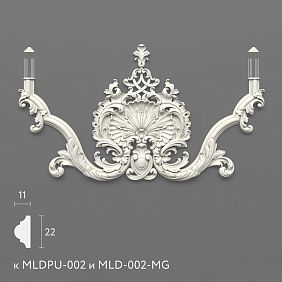
Decorative Overlays. Over 100 variants, sizes from 5×5 cm to 50×80 cm. Shapes: square, rectangular, round, oval, floral scrolls, geometric patterns, architectural elements. Used as standalone decor or in combination with mouldings.
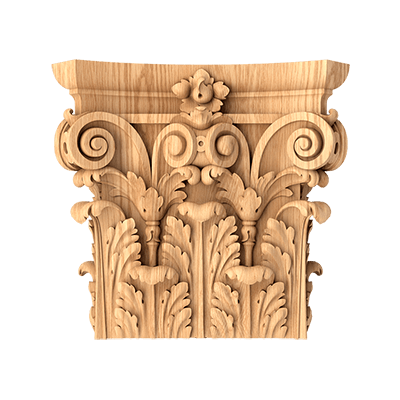
Columns and Pilasters. Full-size columns up to 3 meters high made from separate sections (shaft, base, capital). Pilasters (flat columns for wall mounting) 150-300 cm high, 10-25 cm wide. Orders: Tuscan, Doric, Ionic, Corinthian, Composite.
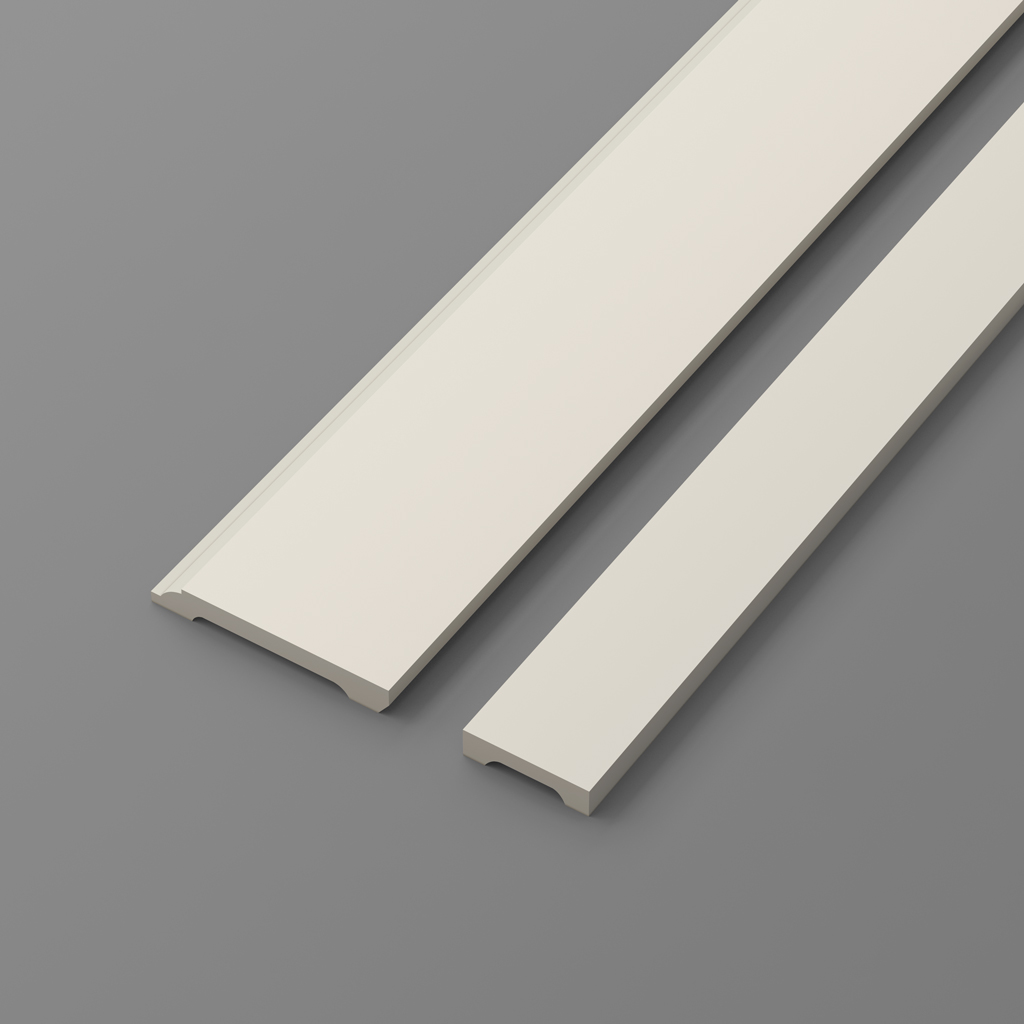
Floor Skirting Boards. Over 40 profiles, height from 80 to 200 mm, section length 200-240 cm. From simple rectangular (for minimalism) to profiled (for classic styles).
Corbels and Consoles. Decorative elements imitating supports. Sizes from 10×10 cm to 40×50 cm. Used under shelves, cornices, in fireplace portals.
Arch Elements. Semicircular and segmental arches for decorating door and window openings. Radii from 50 to 150 cm.
All elements are supplied primed with white acrylic primer, ready for installation and painting. Packaging is shrink film or cardboard boxes (for fragile rosettes and overlays), protecting against damage during transportation.
Delivery geography and logistics
STAVROS operates throughout Russia. Warehouse complexes in St. Petersburg and Moscow provide coverage for the western part of the country with 1-3 day delivery. For regions of Siberia, the Urals, and the Far East, delivery times are 5-10 days via transport companies.
Export to 25+ countries is carried out via sea container shipments (to the USA, China, UAE) and road transport (to European countries). The company has experience in customs documentation and product certification to meet the requirements of different countries.
For large projects (hotels, restaurants, office centers, residential complexes), STAVROS provides personal managers who oversee the project from material quantity calculation to installation control. For architects and designers — technical support, selection of elements to match the project concept, creation of custom elements based on sketches (minimum order quantity from 10 pieces).
Perfect: Affordable Russian Polyurethane
Perfect is a Russian brand positioned in the budget segment. Production is located in the Moscow region, founded in the late 2000s as a repackager of Chinese products, then transitioned to its own production.
Strategy and Positioning
Perfect has chosen a mass-market strategy: the lowest possible prices with acceptable quality. The target audience is private buyers with limited budgets, construction companies working on economy-class projects, and DIY retail chains (construction hypermarkets).
The density of Perfect polyurethane is 220-260 kg/m³ — lower than premium brands, but sufficient for most applications. Elements are lighter (easier installation) but less durable (higher risk of damage during transportation and installation). Service life is 10-15 years compared to 20-30 for premium products.
Perfect's range is about 150 SKUs. Focus on basic elements: cornices with simple profiles, mouldings, skirting boards. Complex elements (large carved rosettes, columns, corbels) are minimally represented — they require expensive molds and complex production, which contradicts the budget strategy.
Prices are 30-50% lower than premium brands. An 80 mm wide cornice from Perfect costs 250-350 rubles/meter compared to 400-600 rubles/meter from STAVROS or European analogues. For an apartment decoration project, this results in savings of 5-15 thousand rubles — significant for the budget segment.
Sales Channels
Perfect actively works with retail chains — Leroy Merlin, Maxidom, OBI. Presence in hypermarkets provides mass appeal and accessibility for the end customer, who can buy molding along with other building materials in one place.
Online sales through its own website and marketplaces (Ozon, Wildberries, Yandex.Market). Emphasis on fast delivery (its own warehouse in Moscow ensures shipment the next day) and clear product descriptions (photos, dimensions, application examples).
For professionals (construction companies, designers), there is a wholesale department with a discount system based on order volume.
Decomaster: Mid-price segment with European quality
Decomaster is one of the oldest Russian manufacturers of polyurethane molding, founded in the early 2000s in Moscow. Initially operated as a distributor of European brands, then launched its own production, combining European technology and Russian facilities.
Production and Technologies
Decomaster's production is located in the Moscow region, covering over 3000 sq.m. The technological line was purchased in Germany — equipment for automated pressure casting, ensuring high productivity (up to 1 million linear meters of molding per year) and consistent quality.
Polyurethane density is 280-320 kg/m³ — medium-high, comparable to European analogues. Geometric accuracy is high — deviations do not exceed 1-2 mm over 2 meters of length, which is critical for seamless corner joints.
The molds are partially European (purchased from Italian and German mold manufacturers), partially proprietary (developed by the Decomaster design department based on Russian architectural traditions).
Range and Collections
The Decomaster catalog includes about 300 polyurethane molding SKUs. The assortment is balanced — all categories of elements (cornices, moldings, rosettes, columns, baseboards, decorative overlays) are represented in sufficient variety of profiles and designs.
A feature of Decomaster is collections united stylistically. The 'Classic' collection includes elements in the style of classicism and baroque. The 'Modern' collection — art deco and minimalism. The 'Provence' collection — light profiles with floral motifs. The buyer can select all interior elements from one collection, ensuring stylistic unity.
Prices are average — 10-20% lower than premium brands (STAVROS, European), but 20-30% higher than budget ones (Perfect). An 80 mm wide cornice costs 350-500 rubles/meter. Positioning — optimal price-quality ratio for the mass middle class.
Promotion and Positioning
Decomaster actively invests in marketing. Advertising campaigns in professional media (magazines for architects and designers), participation in exhibitions (MosBuild, Batimat Russia), showrooms in major cities. Brand awareness is high — Decomaster is in the top 3 Russian manufacturers in terms of recognition among professionals.
Working with designers is a key strategy. Designers recommend materials to clients and influence the choice. Decomaster provides designers with samples, technical documentation, discounts, and participates in design events (conferences, workshops).
Comparison of Russian manufacturers: characteristics table
| Parameter | STAVROS | Perfect | Decomaster |
|---|---|---|---|
| Year of foundation | 2002 (polyurethane since 2015) | late 2000s | early 2000s |
| Production base | Saint Petersburg, Moscow | Moscow region | Moscow suburbs |
| Production area | 5000+ sq.m | 1500-2000 sq.m | 3000+ sq.m |
| Polyurethane density | 280-350 kg/m³ | 220-260 kg/m³ | 280-320 kg/m³ |
| Assortment (SKUs) | 500+ | 150 | 300 |
| Price segment | mid-premium | budget | Medium |
| Price of 80 mm cornice | 400-600 rub./m | 250-350 RUB/m | 350-500 RUB/m |
| Sales geography | all of Russia + export to 25+ countries | Russia, main market — Moscow | all of Russia |
| Service life | 20-30 years | 10-15 years | 15-25 years |
| Custom orders | yes, from 10 pcs. | No | yes, from 50 pcs. |
| Production time | 2-3 weeks | 4-6 weeks | 3-4 weeks |
Russian manufacturers vs European brands
European brands (Orac Decor from Belgium, NMC from Belgium, Gaudi Decor from Spain) dominated the Russian premium molding market for many years. It was believed that European quality was unattainable for Russian manufacturers. Is this still true in 2026?
The wood should be properly dried (moisture not exceeding 12%), without critical defects — through cracks, rot, large knots.
The density of European brand polyurethane is 320-400 kg/m³ — higher than the Russian average. However, leading Russian polyurethane decor manufacturers (STAVROS, Decomaster) have achieved a density of 280-350 kg/m³, which is sufficient for all applications, including commercial facilities with high traffic.
Geometric accuracy has historically been higher for Europeans (deviations up to 0.5 mm over 2 meters), ensured by high-precision equipment. Russian manufacturers investing in modern equipment (Decomaster with German lines, STAVROS with in-house developments) have achieved deviations of 1-2 mm — this is acceptable for most projects.
Surface quality (primer, smoothness) is consistently high for Europeans due to years of refined technology. Russian manufacturers periodically have issues (batches with uneven primer, bubbles) — this is related to less stringent quality control. However, leading brands (STAVROS, Decomaster) have implemented multi-stage quality control, minimizing defects.
Assortment and design
European catalogs include 500-1000 SKUs accumulated over decades of production. Russian catalogs are smaller (150-500 SKUs) but are growing rapidly — dozens of new designs are introduced annually.
European molding design is oriented towards Western architectural traditions (French classicism, English Georgian style, Italian Baroque). Russian molding includes elements of Russian classicism, imperial style, Soviet Art Deco — designs absent from European catalogs and in demand in Russia.
Price
European molding is 50-150% more expensive than Russian. An 80 mm wide cornice from Orac Decor costs 800-1200 RUB/meter compared to 400-600 RUB/meter from STAVROS. The difference is significant — savings on decorating an apartment amount to 20-50 thousand rubles.
Reasons for high prices: import duties (10-15% of cost), logistics (delivery from Europe is more expensive than domestic Russian delivery), distributor margins (European brands work through distributors, each adding 15-30% to the price).
Availability and lead times
European molding is supplied to order — lead time 4-12 weeks (production in Europe, delivery by sea or road transport, customs clearance). Russian molding is available from stock — 90% of SKUs are shipped the next day after ordering. This is critical for urgent projects.
The 2022 sanctions complicated the import of European molding — supply chains lengthened, lead times increased to 3-6 months, some brands stopped supplying to Russia. This strengthened the position of Russian manufacturers, who became the only reliable source.
Conclusion
In 2026, the quality of leading Russian manufacturers (STAVROS, Decomaster) is comparable to average and mid-to-high level European quality. They are inferior to the European premium segment (Orac Decor, NMC top collections) in maximum density, precision, and design variety. However, they are superior in price (1.5-2 times cheaper), availability (warehouse in Russia, fast shipping), and adaptation to Russian tastes (designs corresponding to Russian architectural traditions).
Certification and quality control of Russian products
Polyurethane molding is a building material that comes into contact with the living environment. It must be safe (not emit harmful substances), fire-safe (not support combustion), and comply with sanitary standards. How is this controlled in Russia?
Mandatory certification
Polyurethane products are subject to mandatory certification under the Customs Union technical regulations TR CU 004/2011 'On the safety of low-voltage equipment' and TR CU 012/2011 'On the safety of equipment for use in explosive atmospheres' (applicable to production equipment, but not to the molding itself).
For molding, the following are mandatory:
Certificate of compliance with sanitary and epidemiological requirements. Issued by Rospotrebnadzor after laboratory tests for the emission of volatile substances (formaldehyde, phenol, ammonia, etc.). High-quality polyurethane does not emit harmful substances, but cheap raw materials or process violations can lead to exceedances. The certificate confirms safety for health.
Fire safety certificate. Polyurethane is a combustible material of class G1-G3 (lowly combustible to highly combustible) depending on composition and the presence of flame retardants. Molding of class G1-G2 is permitted for use in residential and public buildings without restrictions. Class G3-G4 is restricted in use. Quality manufacturers use flame retardants to achieve class G1 (self-extinguishing material - burns only in flame, extinguishes when the ignition source is removed).
Declaration of conformity to GOST. Voluntary, but desirable. Confirms that the product complies with Russian standards for dimensions, density, strength, and surface quality.
All certificates must be available to the buyer. Serious manufacturers (STAVROS, Decomaster) publish certificate scans on their websites and provide copies upon request. The absence of certificates is a sign of an unscrupulous manufacturer or gray imports.
Internal quality control
In addition to mandatory certification, manufacturers implement their own quality control systems.
Incoming raw material control. Checking the density, viscosity, and polymerization time of the polyurethane mixture. Poor-quality raw materials cause defects (bubbles, uneven density, deformations).
Process control. Monitoring temperature and pressure during the casting process, polymerization time. Deviations from the technology lead to defects.
Output control. Visual inspection of each product for defects (cracks, chips, surface irregularities, unpainted primer areas). Dimensional measurements are taken selectively (every 10th or 100th product) to control geometric accuracy.
Statistical control. Collecting data on the defect rate, analyzing causes, and adjusting technology. Good manufacturers keep the defect rate below 2-3%.
STAVROS and Decomaster have implemented multi-stage control, minimizing the risk of defective products reaching the customer. Perfect, operating in the budget segment, has less strict control - the defect rate is higher (5-7%), but the price is also lower.
Advantages of buying from Russian manufacturers
Why choose Russian molding over imported? Several objective advantages.
Price
Russian molding is 30-60% cheaper than European molding of similar quality. Savings on an apartment decoration project: 15-40 thousand rubles, a house: 50-150 thousand rubles, a commercial object: up to millions of rubles.
Availability and lead times
Russian molding is available from stock immediately or within 1-3 days. European - made to order 4-12 weeks (under sanctions up to 6 months). For urgent projects (renovation by a deadline, preparing an object for opening), Russian is the only option.
Adaptation to the Russian market
Russian manufacturers understand the specifics of the Russian market: design preferences (Russian classicism, Stalinist Empire, modern minimalism), dimensions (ceiling heights in standard apartments of 2.5-2.7 m require cornices of certain proportions), budgets (the middle class focuses on price, not just quality).
European brands design for the European market (high ceilings 3-4 m, premium budgets, Western styles). Adaptation for Russia is minimal.
Service and support
Russian manufacturers provide service in Russian, understand Russian realities (features of installation in panel houses, compatibility with Russian building materials), and solve problems promptly (return of defects, replacement of damaged elements).
European distributors are often limited in authority; resolving problems through the head office in Europe takes weeks.
Warranties and liability
The Russian manufacturer bears full responsibility under Russian law. In case of problems (defects, non-compliance with stated characteristics), the buyer can go to court, Rospotrebnadzor, and receive compensation.
The European manufacturer is located abroad, legal responsibility is blurred. The distributor may go bankrupt or cease operations, leaving the buyer without guarantees.
Import substitution: results and prospects
The sanctions of 2014 and 2022 have been drivers of import substitution in the field of building and finishing materials. How has this affected the molding market?
2014-2022: gradual replacement
After the 2014 sanctions, imports of European molding decreased by 20-30% due to rising prices (devaluation of the ruble made imports more expensive) and logistical difficulties. Russian manufacturers increased production, filling the emerging niche. Investments in expanding capacity, purchasing equipment, and developing new designs.
The share of Russian products in the market increased from 30-40% in 2013 to 60-70% in 2021. Imports remained in the premium segment (Orac Decor, NMC for elite projects), the mass market switched to Russian.
2022-2026: Accelerated Import Substitution
The 2022 sanctions practically halted direct imports from Europe. Logistics through third countries (Turkey, UAE, Kazakhstan) are possible but extend lead times to 3-6 months and increase prices by 50-100%. Many European brands have officially ceased deliveries to Russia.
Russian manufacturers responded with a sharp increase in production. STAVROS increased capacity by 40%, Decomaster by 30%, and new players emerged (regional production facilities in Yekaterinburg, Novosibirsk, Krasnodar).
The share of Russian products in 2026 is estimated at 85-90%. Imports have been reduced to a minimum — through parallel imports, small batches for exclusive projects.
Qualitative Leap
Import substitution stimulated not only volume growth but also a qualitative leap. Russian manufacturers, gaining access to the vacated premium segment, began investing in quality: purchasing high-precision equipment, improving polyurethane formulations (increasing density, adding flame retardants and UV stabilizers), expanding design departments (developing exclusive collections).
By 2026, the gap between Russian and European molding has narrowed. If in the 2010s Russian molding was perceived as a budget alternative, now it is a full-fledged competitor in quality at a lower price.
Prospects
By 2030, complete import substitution is forecasted in the mass and mid-market segments. Imports will remain only in a narrow premium segment (exclusive designs unavailable to Russian manufacturers).
Russian manufacturers will begin expansion into foreign markets. STAVROS already exports to 25+ countries, but volumes are small (5-10% of production). Potential lies in CIS countries (Kazakhstan, Uzbekistan, Azerbaijan), the Middle East (UAE, Saudi Arabia — high demand for classical molding), Asia (China, India — fast-growing markets).
Frequently Asked Questions about Russian Molding Manufacturers
Can the quality of Russian polyurethane molding be trusted?
Yes, if you buy from reputable manufacturers (STAVROS, Decomaster). They have certificates of conformity, have implemented quality control, have been operating for decades, and value their reputation. Beware of no-name manufacturers without certificates and warranties.
Which Russian manufacturer is the best?
It depends on the task. For premium projects (mansions, luxury apartments, representative offices) — STAVROS (maximum assortment, unique designs, high density). For projects with a medium budget — Decomaster (price-quality balance, stable European quality). For budget projects — Perfect (low price, basic assortment).
How does Russian molding differ visually from European molding?
With proper painting — there is no difference. Polyurethane from any manufacturer looks the same after priming and painting (white, cream, or colored depending on the paint). Differences lie in details: geometric precision (European is slightly more precise, but the difference is only noticeable at corner joints), relief (European often has clearer, deeper relief due to better molds).
Where to buy molding directly from the manufacturer?
For STAVROS — on the official website, in branded stores in St. Petersburg and Moscow, through regional dealers. For Decomaster — on the official website, in showrooms in major cities. For Perfect — through retail chains (Leroy Merlin, Maxidom) and marketplaces.
Do Russian manufacturers provide a warranty?
Yes, for manufacturing defects (cracks, deformations, size discrepancies) the warranty is 1-3 years depending on the manufacturer. For performance characteristics (shape retention, color retention with proper use) the stated service life is 15-30 years.
Is it possible to order custom molding based on sketches?
Yes, STAVROS and Decomaster produce custom elements. Minimum order quantity: STAVROS from 10 pieces, Decomaster from 50 pieces. Production time is 3-6 weeks. Cost includes mold development (from 50 thousand rubles) plus the cost of the production run.
How to verify the certificates of a Russian manufacturer?
Request scans of certificates from the seller or manufacturer. Check for: a certificate of compliance with sanitary-epidemiological requirements (number, issue date, issuing authority), a fire safety certificate (flammability class G1-G2). Verify authenticity on the website of Rospotrebnadzor or the certification body (many publish registers of issued certificates).
Conclusion: Russian molding — the choice of the present and future
Polyurethane molding factoryin Russia — this is not a story about compromise between price and quality. It is a story about how, over two decades, Russian manufacturers have progressed from copying European models to creating their own technologies, designs, quality standards, competitive on the global market.
In 2026, Russian molding is a full-fledged alternative to European molding. In terms of quality, leading brands (STAVROS, Decomaster) have reached European mid and mid-high levels. In terms of price, they outperform European molding by 1.5-2 times. In terms of availability, they are incomparable — warehouses in Russia versus imports on order. In terms of adaptation to the Russian market — they are beyond competition, Europeans do not understand Russian specifics.
Import substitution, accelerated by sanctions, has become not a forced measure, but a strategic opportunity. Russian manufacturers, having gained the vacated market, invested in development: new equipment, expanding the assortment, improving quality, entering export markets. By 2030, not only complete import substitution within the country is forecasted, but also the expansion of Russian molding into foreign markets.
STAVROS Company is the flagship of Russian polyurethane decor production. Over twenty-three years in the market, more than 4000 SKUs in the catalog, production facilities in Saint Petersburg and Moscow, export to 25+ countries. STAVROS is not just a factory; it's an ecosystem uniting wood carving, polyurethane casting, MDF decor, and furniture components.
STAVROS quality is confirmed by certificates of compliance with sanitary norms and fire safety. Polyurethane density of 280-350 kg/m³ ensures strength and durability for 20-30 years. Geometric accuracy guarantees perfect corner joints. White factory primer is ready for painting.
The STAVROS assortment includes over 500 SKUs of polyurethane moldings: cornices, moldings, rosettes, columns, pilasters, baseboards, overlays, brackets. Styles from classic to modern, from Baroque to minimalism. Stylistically unified collections allow for interior design in a single key.
For professionals — architects, designers, construction companies — STAVROS offers personalized project support. Calculation of material quantities, selection of elements, creation of custom designs based on sketches, installation supervision. Wholesale prices, deferred payment, technical support.
For private buyers — convenient ordering via the website, consultations by phone and online chat, delivery across all of Russia, detailed installation instructions, video tutorials.
STAVROS delivery is fast and reliable. Warehouses in Saint Petersburg and Moscow ensure shipment of 90% of SKUs the next day. Delivery to the Northwest and Central Russia takes 1-3 days, to other regions 5-10 days. Packaging protects against damage.
Choose STAVROS — choose the leader in Russian polyurethane decor production. Quality tested by time. An assortment that meets any task. Prices accessible to a wide market. Service focused on results.
Russian moldings are the choice of the present and future. The choice of those who value quality, reasonable prices, efficiency, and support for domestic manufacturers. With STAVROS, your interior will gain architectural expressiveness, classical beauty, and modern quality. Take action!