























Содержание статьи:
- Нейрофизиология ритма: как мозг обрабатывает повторяющиеся структуры
- Золотое сечение в шаге реек: математика гармонии
- Влияние толщины реек на восприятие пространства
- Вертикальные рейки и ощущение высоты: оптические иллюзии
- Порядок, симметрия и восприятие качества
- Эффект "визуального метронома": ритм как таймер восприятия
- Психология цвета и текстуры дерева: натуральность как маркер статуса
- Зонирование пространства ритмом: как рейки делят без перегородок
- Свет, тень и объём: как рейки создают трёхмерность
- Акустика: как рейки влияют на звук пространства
- Выбор породы дерева: от сосны до дуба
- Монтаж: от обрешётки до клея
- Часто задаваемые вопросы
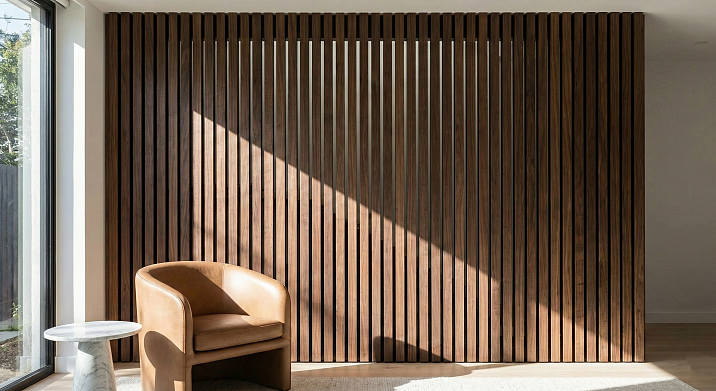
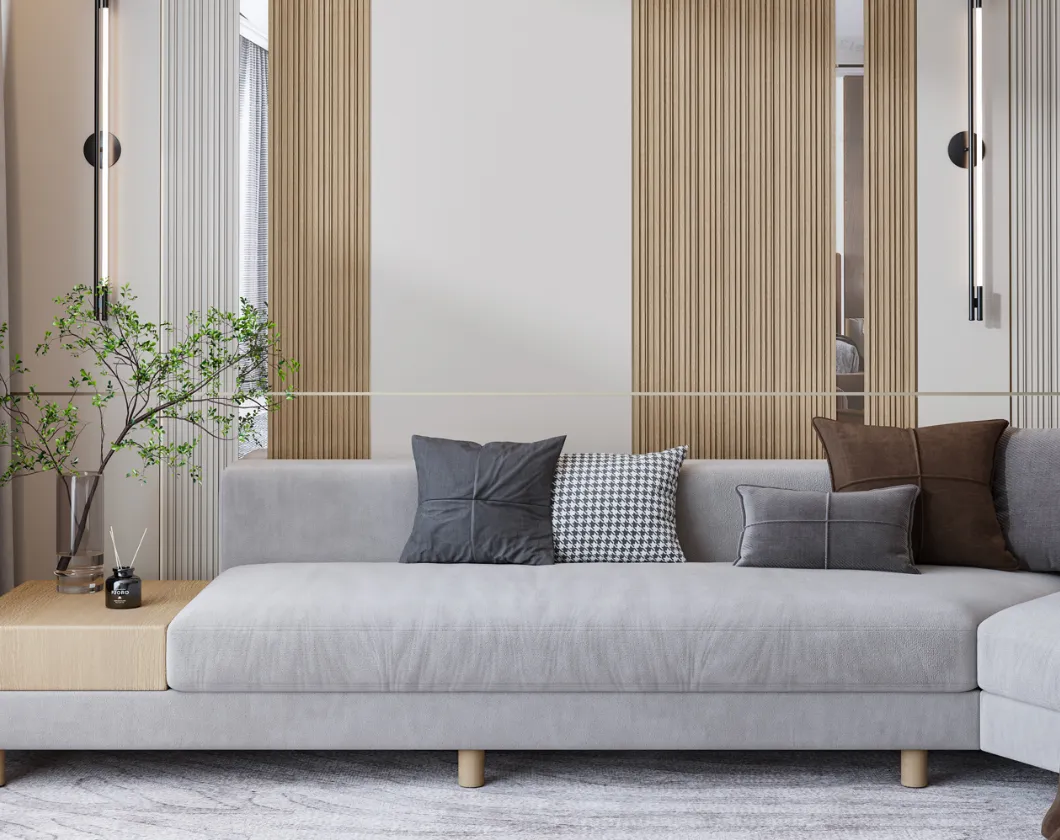
Стена покрыта белой краской. Нейтральная, скучная, беззвучная поверхность, которую глаз проскальзывает, не останавливаясь. Теперь эта же стена, но с деревянными рейками в интерьере — вертикальные планки дуба шириной 40 миллиметров, установленные с шагом 60, от пола до потолка высотой 2.7 метра. Что изменилось? Формально — добавлено 45 планок. Фактически — изменился весь характер пространства. Стена перестала быть фоном, превратилась в архитектурный объект. Глаз цепляется за ритм вертикалей, прочитывает его как музыкальную партитуру, где каждая рейка — нота, а интервалы между ними — паузы. Мозг распознаёт повторяемость, симметрию, порядок и мгновенно отправляет сигнал: это дорого, это качественно, это продумано. Почему?
Нейрофизиология восприятия ритмических структур объясняет, что человеческий мозг эволюционно настроен искать паттерны, закономерности, повторяемость — это механизм выживания, позволявший предкам распознавать угрозы (хищник движется ритмично), находить ресурсы (плодовое дерево растёт вертикально), ориентироваться в пространстве (вертикальные стволы леса создают структуру). Современный мозг сохранил эту настройку. Когда глаз видит ритмичную структуру — рейки на стену, колонны, арки, полосы — активируются зоны коры, отвечающие за распознавание паттернов, прогнозирование, награду. Мозг получает удовольствие от предсказуемости (следующая рейка будет через 60 миллиметров — правильно, ожидание оправдано, дофамин), от порядка (все рейки одинаковой ширины — система стабильна), от завершённости (последняя рейка достигает потолка — композиция закончена).
Вертикальные линии воспринимаются мозгом как символы роста, движения вверх, стремления к небу — архетипы, заложенные тысячелетиями наблюдения за деревьями, горами, башнями, храмами. Вертикаль ассоциируется с силой (колонна держит крышу), достоинством (человек стоит вертикально), стабильностью (вертикальная конструкция устойчивее горизонтальной). Поэтому современный интерьер с вертикальными рейками воспринимается подсознательно как более статусный, дорогой, продуманный, чем аналогичный без них. Это не рациональная оценка (рейки стоят 1500-3000 рублей за погонный метр, на стену 10 квадратных метров нужно 15,000-30,000 — не космическая сумма), а эмоциональная, интуитивная, мгновенная. Глаз увидел ритм вертикалей — мозг прочитал: роскошь.



Нейрофизиология ритма: как мозг обрабатывает повторяющиеся структуры
Ритм — временная или пространственная повторяемость элементов с предсказуемыми интервалами. Музыкальный ритм: удар барабана каждую секунду. Визуальный ритм: рейка каждые 60 миллиметров. Мозг обрабатывает ритм в нескольких зонах одновременно: зрительная кора распознаёт повторяемость элементов (рейки одинаковые), теменная кора измеряет интервалы (шаг 60 мм постоянен), префронтальная кора прогнозирует продолжение (следующая рейка будет через 60), лимбическая система оценивает эмоциональную значимость (порядок приятен, хаос тревожит).
Исследования нейроэстетики (нейронауки, изучающей восприятие красоты) показывают, что регулярные ритмические паттерны активируют дорсолатеральную префронтальную кору — зону, связанную с ощущением удовольствия от предсказуемости. Когда мозг видит рейку, он мгновенно прогнозирует: следующая будет через 60 миллиметров. Если ожидание оправдывается (следующая действительно через 60), выделяется дофамин — нейромедиатор награды. Если ожидание не оправдывается (следующая через 80 или отсутствует), возникает диссонанс, лёгкая тревога, ощущение незавершённости. Поэтому стена с равномерно расположенными рейками на стену воспринимается гармоничнее, приятнее, спокойнее, чем стена с неравномерным шагом (если это не сознательный художественный приём, а ошибка монтажа).
Эффект "визуального метронома" — термин, описывающий, как ритмичные вертикальные структуры задают темп, скорость, динамику восприятия пространства. Метроном в музыке отбивает регулярные удары, синхронизирующие исполнение. Рейки в интерьере выполняют аналогичную функцию: они задают ритм, по которому глаз скользит вдоль стены, считывая один-два-три-четыре, как музыкант считывает такты. Частый ритм (рейки шириной 20 мм с шагом 30 мм) создаёт быстрый темп — динамику, активность, беспокойство. Редкий ритм (рейки 60 мм с шагом 120) создаёт медленный темп — спокойствие, солидность, монументальность. Средний ритм (рейки 40 мм с шагом 60) — баланс между динамикой и покоем, оптимальный для жилых интерьеров, где важна активность без агрессии.
Почему именно вертикальные рейки воспринимаются роскошнее горизонтальных? Вертикаль требует большей высоты помещения для визуальной выразительности. Вертикальная рейка высотой 2.7 метра (от пола до потолка) создаёт длинную непрерывную линию, которую глаз прочитывает целиком снизу вверх, ощущая масштаб. Горизонтальная рейка длиной 3 метра (вдоль стены) прочитывается слева направо, но не создаёт ощущения высоты, стремления. Вертикаль визуально поднимает потолок (глаз следует вверх, потолок кажется выше), горизонталь расширяет стену (глаз следует вдоль, стена кажется длиннее). Вертикаль ассоциируется с архитектурой дворцов, храмов, где высота символизирует власть, богатство (высокие потолки — признак статуса, низкие — бедности). Горизонталь ассоциируется с приземлённостью, практичностью, скромностью. Поэтому вертикальные деревянные рейки в интерьере читаются мозгом как более премиальные, статусные, роскошные.
Золотое сечение в шаге реек: математика гармонии
Золотое сечение (φ, фи, приблизительно 1.618) — математическая пропорция, встречающаяся в природе (спираль раковины наутилуса, расположение семян подсолнуха, пропорции человеческого тела) и искусстве (фасад Парфенона, картины Леонардо да Винчи, композиции Баха). Золотое сечение воспринимается мозгом как гармоничное, естественное, приятное — эволюционная настройка, связанная с распознаванием природных паттернов, сигнализирующих о безопасности, изобилии. Когда пропорции объекта близки к золотому сечению, зрительная кора обрабатывает их быстрее, префронтальная оценивает как приятные, лимбическая выделяет дофамин. Когда пропорции далеки от золотого (слишком вытянутые или сплюснутые), обработка замедляется, возникает лёгкий дискомфорт, ощущение "что-то не так".
Как применить золотое сечение к шагу реек? Рассмотрим отношение ширины рейки к ширине зазора между рейками. Если рейка шириной 40 миллиметров, зазор по золотому сечению должен быть 40×1.618 ≈ 65 миллиметров. Общий шаг (рейка + зазор) = 40+65 = 105 миллиметров. На стену шириной 3000 миллиметров помещается 3000÷105 ≈ 28 реек. Альтернативный расчёт: если зазор 40 мм, рейка по золотому сечению должна быть 40÷1.618 ≈ 25 мм. Шаг 25+40 = 65 мм, на 3000 мм помещается 46 реек — более частый ритм.
Практически дизайнеры редко рассчитывают золотое сечение точно, но интуитивно стремятся к пропорциям близким к 1.5-1.7 между рейкой и зазором. Популярные комбинации: рейка 30 мм + зазор 50 мм (соотношение 1.67, близко к φ), рейка 40 мм + зазор 60 мм (1.5, чуть ниже φ), рейка 50 мм + зазор 80 мм (1.6, почти точно φ). Эти пропорции воспринимаются гармоничнее, чем равные (рейка 40 + зазор 40 = соотношение 1.0 — слишком регулярно, монотонно) или слишком контрастные (рейка 20 + зазор 100 = 5.0 — разрозненно, хаотично).
Интересный эффект возникает, когда золотое сечение применяется не к шагу реек, а к делению стены. Стена высотой 2.7 метра делится по золотому сечению на две части: нижняя 2700÷1.618 ≈ 1670 мм, верхняя 2700-1670 = 1030 мм. Если реечная панель занимает только нижнюю часть (от пола до высоты 1670 мм), композиция воспринимается гармоничнее, чем при произвольной высоте (например, 1500 или 2000 мм). Верхняя часть стены остаётся гладкой окрашенной, нижняя — реечной текстурированной. Такое деление визуально "правильное", мозг читает его как завершённое, сбалансированное.
Почему золотое сечение воспринимается гармонично? Гипотеза нейроэстетики: мозг эволюционно настроен распознавать золотое сечение, потому что оно встречается в природных объектах, связанных с жизнью, ростом, размножением (растения, животные, человек). Объект с пропорциями золотого сечения подсознательно считывается как "живой", "естественный", "здоровый". Объект с нарушенными пропорциями — как "искусственный", "мёртвый", "неправильный". Поэтому рейки на стену с шагом, близким к золотому сечению, воспринимаются приятнее, роскошнее, качественнее, чем с произвольным шагом, даже если наблюдатель не знает о золотом сечении и не может сформулировать, почему одна стена нравится, а другая — нет.
Наша фабрика также производит:



Смотреть весь Каталог продукции
Влияние толщины реек на восприятие пространства
Толщина (ширина) рейки определяет визуальный вес, массивность, доминантность реечной структуры. Тонкие рейки шириной 20-30 миллиметров создают лёгкую, ажурную, графичную текстуру — линии заметны, но не подавляют, стена остаётся воздушной. Средние рейки 40-50 мм создают сбалансированную текстуру — достаточно выразительны, чтобы быть акцентом, достаточно деликатны, чтобы не перегружать. Толстые рейки 60-80 мм создают массивную, монументальную, скульптурную текстуру — рейки доминируют, стена превращается в архитектурный объект, рельеф.
Психологическое восприятие толщины: тонкие рейки ассоциируются с изяществом, утончённостью, современностью (минимализм, скандинавский стиль, японский), толстые — с солидностью, традиционностью, надёжностью (лофт, рустик, брутализм). Тонкие рейки подходят для небольших помещений 12-20 квадратных метров, где толстые перегрузили бы пространство. Толстые рейки оптимальны для просторных помещений 30-60 кв.м, высоких потолков 3.0-4.0 метра, где тонкие потерялись бы, показались бы хрупкими, несоразмерными масштабу.
Влияние толщины на ритм: при одинаковом шаге (рейка + зазор = 100 мм) тонкая рейка 20 мм создаёт ритм 20:80 (рейка занимает 20% шага, зазор 80%), толстая 60 мм — ритм 60:40. Первый ритм лёгкий, быстрый, почти прозрачный — стена "дышит", видна сквозь зазоры. Второй ритм плотный, медленный, тяжёлый — стена "закрыта", зазоры узкие, рейки доминируют. Визуально тонкие рейки с широкими зазорами расширяют пространство (много воздуха между линиями), толстые с узкими — сжимают (мало воздуха, много массы).
Толщина также влияет на тактильное восприятие, хотя рейки обычно не трогают руками (установлены высоко). Но мозг прогнозирует тактильные ощущения визуально: тонкая рейка ощущается гладкой, скользящей, холодной (металл, стекло), толстая — тёплой, шершавой, массивной (дерево, камень). Даже если обе рейки из дуба, толстая 60 мм воспринимается "теплее", "деревяннее", чем тонкая 20 мм, потому что больше материала видимо, больше текстуры, больше массы.
Интересный эффект: переменная толщина реек на одной стене (например, чередование тонких 30 мм и толстых 50 мм) создаёт сложный, нерегулярный ритм, визуальную интригу, динамику. Глаз не может предсказать следующую рейку (будет тонкая или толстая?), префронтальная кора активируется сильнее (нужно анализировать паттерн), лимбическая выделяет дофамин от новизны. Но такой приём требует мастерства: неправильная последовательность создаст не интригу, а хаос. Оптимально чередовать в пропорции золотого сечения: две тонкие, одна толстая (2:1 ≈ φ), или три тонкие, две толстых (3:2 ≈ φ).
Получить консультацию
Вертикальные рейки и ощущение высоты: оптические иллюзии
Вертикальные линии визуально поднимают потолок — классический приём архитектуры, известный тысячелетия (колонны греческих храмов, готические своды, небоскрёбы). Механизм: глаз следует вдоль вертикальной линии снизу вверх, достигает потолка, мозг фиксирует высоту как значимую (потому что глаз прошёл долгий путь вверх). Горизонтальные линии визуально опускают потолок (глаз движется горизонтально, не достигает потолка, высота не акцентируется). Отсутствие линий (гладкая стена) нейтрально (высота воспринимается реально, без усиления, без занижения).
Экспериментальная проверка: комната 4×5 метров, высота потолка 2.7. Стена А — гладкая белая. Стена Б — вертикальные рейки дуба 40 мм с шагом 60, от пола до потолка. Испытуемым показывают стены по очереди, просят оценить высоту потолка визуально. Средняя оценка для стены А: 2.65 метра (слегка занижена). Для стены Б: 2.85 метра (завышена на 15 сантиметров). Объективная высота одинакова, но вертикальные рейки создают иллюзию дополнительной высоты.
Почему важна высота? Высокие потолки ассоциируются со статусом, роскошью, престижем (дворцы, особняки, пентхаусы имеют потолки 3.5-5.0 метров), низкие — с бедностью, теснотой, дискомфортом (хрущёвки, бараки, подвалы — потолки 2.4-2.5). Поэтому приём, визуально повышающий потолок, мгновенно повышает воспринимаемую ценность пространства. Деревянные рейки в интерьере выполняют эту функцию: комната с потолками 2.7 метра, облицованная вертикальными рейками, воспринимается как более просторная, дорогая, статусная, чем идентичная без реек.
Дополнительный эффект: вертикальные рейки структурируют пространство по вертикали, создавая визуальные "этажи". Если рейки идут от пола до высоты 1.5 метра (зона панели), затем прерываются, затем продолжаются от 2.0 до 2.7 (зона под потолком), создаётся трёхуровневая композиция: нижний уровень (реечная панель), средний (гладкая стена), верхний (реечная полоса под потолком). Мозг читает это как сложную архитектуру, многослойность, продуманность — признаки роскоши (простота дешёвая, сложность дорогая).
Противоположный эффект: горизонтальные рейки визуально расширяют стену, но снижают потолок. Горизонтальные линии заставляют глаз двигаться вдоль стены слева направо, не вверх. Потолок остаётся вне фокуса, кажется ближе, ниже. Горизонтальные рейки на стену подходят для узких длинных помещений (коридоры, галереи), где нужно визуально расширить, а не поднять. Но для гостиных, спален, кабинетов, где высота важна (создаёт ощущение свободы, воздуха, простора), вертикальные рейки предпочтительнее.
Порядок, симметрия и восприятие качества
Человеческий мозг эволюционно настроен ценить симметрию, порядок, регулярность — признаки здоровья, стабильности, надёжности. Симметричное лицо воспринимается красивее асимметричного (симметрия сигнализирует о генетическом здоровье). Симметричное здание воспринимается солиднее асимметричного (симметрия сигнализирует о тщательности постройки, долговечности). Регулярный ритм реек воспринимается качественнее нерегулярного (регулярность сигнализирует о точности монтажа, профессионализме).
Почему порядок ассоциируется с роскошью? Потому что создание порядка требует усилий, времени, ресурсов. Установить рейки с идеально равным шагом 60 миллиметров на стену длиной 3 метра сложнее, чем установить приблизительно равным (58-62 мм). Требуется разметка, измерение, выравнивание, контроль — дополнительные 2-3 часа работы мастера. Если заказчик готов платить за эти часы, он ценит качество, перфекционизм, детали — признаки высокого статуса. Если не готов, принимает приблизительность — признак экономии, спешки, низкого стандарта. Мозг считывает равномерность шага реек как индикатор: дорогой объект (мастер потратил время) или дешёвый (мастер спешил).
Симметрия усиливает эффект: если реечная панель занимает центральную часть стены симметрично (слева и справа остаются равные участки гладкой стены), композиция воспринимается завершённой, сбалансированной, гармоничной. Если панель смещена влево или вправо асимметрично (случайно или из-за ошибки), возникает лёгкий дискомфорт, ощущение незавершённости. Симметрия не обязательна для современных интерьеров (асимметрия может быть художественным приёмом), но если симметрия нарушена непреднамеренно, мозг это фиксирует как дефект.
Интересное исследование нейроэстетики: испытуемым показывали изображения интерьеров с регулярными и нерегулярными ритмическими структурами (рейки, полосы, плитка), измеряли активность мозга с помощью фМРТ. Регулярные ритмы активировали медиальную префронтальную кору — зону, связанную с ощущением удовольствия, награды, положительной оценки. Нерегулярные ритмы активировали переднюю поясную кору — зону, связанную с обнаружением ошибок, конфликтов, тревоги. Вывод: мозг получает удовольствие от регулярности, тревожится от нерегулярности, даже если сознательно не замечает разницу.
Эффект "визуального метронома": ритм как таймер восприятия
Метроном в музыке задаёт темп: 60 ударов в минуту — медленно, спокойно, 120 — быстро, энергично, 180 — очень быстро, тревожно. Визуальный метроном (ритмичные рейки) выполняет аналогичную функцию: задаёт скорость, с которой глаз "читает" пространство. Частый ритм (рейки 20 мм с шагом 30, на метр стены 33 рейки) — быстрый метроном, глаз быстро переключается с рейки на рейку, мозг обрабатывает много визуальной информации в единицу времени, возникает ощущение динамики, активности, беспокойства. Редкий ритм (рейки 60 мм с шагом 120, на метр 8 реек) — медленный метроном, глаз медленно скользит, мозг обрабатывает мало информации, возникает ощущение спокойствия, монументальности, статики.
Оптимальный ритм для жилых интерьеров: средний (рейки 40 мм с шагом 60-80, на метр 12-16 реек) — баланс между активностью и покоем. Достаточно динамичен, чтобы не быть скучным, достаточно спокоен, чтобы не раздражать. Для офисов, коворкингов, кафе подходит более частый ритм (стимулирует активность, общение, работу). Для спален, библиотек, медитационных пространств — более редкий (успокаивает, располагает к сосредоточению, отдыху).
Визуальный метроном влияет на восприятие времени: пространство с частым ритмом кажется "быстрее" (время течёт интенсивнее, много событий), с редким — "медленнее" (время растягивается, мало событий). Это субъективное ощущение, не измеряемое часами, но влияющее на комфорт. Человек, проводящий 8 часов в офисе с частым реечным ритмом, устаёт сильнее, чем в офисе с редким или без реек — перегрузка визуальной информацией. Человек, спящий в спальне с редким реечным ритмом, спит глубже, чем в спальне с частым — мозг не отвлекается на обработку ритма.
Ритм также синхронизирует движение: человек, идущий вдоль стены с вертикальными рейками, непроизвольно синхронизирует шаг с ритмом реек (нога опускается, когда глаз проходит очередную рейку). Если ритм совпадает с естественным темпом шага (60-80 шагов в минуту, шаг 80-100 см, рейки с шагом 8-10 см на высоте глаз создают ритм 8-10 "ударов" на шаг), возникает приятная синхронизация — ощущение гармонии, лёгкости движения. Если ритм не совпадает (слишком частый или редкий), синхронизация нарушается, возникает лёгкий дискомфорт.
Психология цвета и текстуры дерева: натуральность как маркер статуса
Дерево — материал, эволюционно связанный с безопасностью, ресурсами, жизнью. Предки строили убежища из дерева, добывали огонь трением дерева, питались плодами деревьев. Современный мозг сохранил положительную ассоциацию: дерево = тепло, защита, природа, жизнь. Пластик, металл, бетон = холод, искусственность, технология, смерть (гиперболизация, но эмоциональная оценка именно такая). Поэтому деревянные рейки в интерьере воспринимаются теплее, уютнее, человечнее, чем пластиковые, металлические или крашенные МДФ (хотя МДФ тоже из дерева, но текстура скрыта краской).
Натуральная текстура дерева (годичные кольца, сердцевинные лучи, переливы цвета) — маркер подлинности, качества, дороговизны. Текстура уникальна: каждая рейка отличается рисунком, потому что вырезана из разных частей ствола. Мозг распознаёт уникальность как ценность (уникальное редкое, массовое дешёвое). Крашенная поверхность (МДФ эмаль) однородна: каждая рейка идентична, рисунка нет. Мозг распознаёт однородность как массовость, индустриальность, дешевизну.
Цвет дерева влияет на восприятие: светлые породы (ясень, бук натуральный, дуб выбеленный) ассоциируются с чистотой, современностью, скандинавским стилем, экологичностью. Средние тона (дуб натуральный, орех) — с классикой, солидностью, традиционностью. Тёмные (дуб мореный, венге, чёрный) — с роскошью, драматизмом, премиальностью. Самые дорогие интерьеры используют либо очень светлое дерево (редкость, требует селекции, дороже среднего на 30-50%), либо очень тёмное (требует глубокой тонировки, многослойной отделки, дороже на 40-60%). Средние тона доступнее, но менее статусны.
Тактильная текстура (шершавость, гладкость) тоже важна, хотя рейки обычно не трогают. Но мозг прогнозирует тактильность визуально. Рейки с матовой отделкой маслом воспринимаются тёплыми, живыми, тактильно приятными (хочется потрогать). Рейки с глянцевым лаком — холодными, стеклянными, дистанцированными (не хочется трогать, скользкие). Современный архитектурный декор предпочитает матовые отделки (натуральность, экологичность, тактильность ценятся выше глянца).
Зонирование пространства ритмом: как рейки делят без перегородок
Классическое зонирование — перегородки из гипсокартона, стекла, раздвижные двери. Проблемы: перегородка блокирует свет (затемняет дальнюю зону), воздух (нарушает циркуляцию), визуальную связь (зоны изолированы, пространство дробится). Реечное зонирование — вертикальные рейки на стену или отдельно стоящая реечная перегородка — делит пространство визуально, но не физически. Свет проходит сквозь зазоры между рейками (если зазор 60 мм, рейка 40, то 60% площади прозрачны), воздух циркулирует свободно, визуальная связь сохраняется (видно сквозь рейки, но нечётко — зоны разделены, но связаны).
Психологический механизм: мозг воспринимает вертикальную структуру реек как границу, барьер (архетип частокола, забора), но одновременно как проницаемую (зазоры между рейками = проходы). Возникает амбивалентность: зоны разные (по эту сторону реек гостиная, по ту сторону столовая), но единые (свет, воздух, взгляд проходят свободно). Это ощущение единства в разделении оптимально для современного интерьера открытой планировки (студии, лофты, квартиры без перегородок), где нужна функциональная дифференциация без изоляции.
Реечная перегородка акцентирует зонирование ритмом: человек, переходящий из гостиной в столовую через реечную перегородку, ощущает изменение ритма (сначала открытое пространство, потом вертикальные линии реек "пульсируют" вокруг, потом снова открытое). Этот визуальный маркер сильнее психологически, чем просто изменение цвета стен или материала пола (менее заметно). Рейки создают событие, ритуал перехода — "я пересекаю границу, вхожу в другую зону". Это повышает осознанность, снижает хаотичность открытой планировки (где всё смешано, границы размыты, функции путаются).
Дополнительный эффект: реечная перегородка скрывает за собой то, что не должно быть постоянно видимым (кухонная зона, рабочий стол, спальное место в студии), но не изолирует полностью (как глухая стена). Смотрящий из гостиной видит рейки, сквозь зазоры смутно различает кухню — кухня присутствует, но не доминирует визуально. Это деликатность, тактичность, характерная для психологии интерьера японского, скандинавского типа, где прямота (глухая стена — "кухня скрыта полностью") и открытость (отсутствие стены — "кухня видна полностью") крайности, золотая середина — полупрозрачность.
Свет, тень и объём: как рейки создают трёхмерность
Гладкая окрашенная стена — плоская, двумерная. Свет падает на неё равномерно, отражается равномерно, тени нет (если стена не текстурирована штукатуркой). Глаз воспринимает её как нейтральный фон, не задерживается. Стена с вертикальными рейками — рельефная, трёхмерная. Свет падает на рейки, создаёт тени в зазорах (если рейка выступает на 20 мм от стены, зазор глубиной 20 создаёт тень шириной 10-15 мм при боковом освещении). Тени создают объём, глубину, движение. Глаз воспринимает стену как активный объект, задерживается, исследует.
Динамика света: естественный свет из окна меняется в течение дня (утром низкий боковой, в полдень верхний, вечером снова боковой), тени на рейках перемещаются, изменяются по длине, интенсивности. Стена "живёт" — утром рейки бросают длинные горизонтальные тени вправо, вечером влево, в полдень короткие вертикальные. Это живописный эффект, характерный для архитектуры (готические соборы, где колонны и арки создают игру света-тени), перенесённый в интерьер. Деревянные рейки в интерьере превращают стену в архитектурный элемент, соразмерный колоннам, пилястрам, фризам.
Искусственное освещение усиливает эффект: точечные светильники, направленные вдоль реечной стены сверху или снизу, создают драматичные длинные тени (рейка высотой 2.7 метра бросает тень длиной 1-2 метра при светильнике на высоте 20 см от пола). Это театральность, сценичность, характерная для премиальных интерьеров ресторанов, отелей, шоу-румов. Жилые интерьеры редко используют столь драматичное освещение (слишком экспрессивно для ежедневной жизни), но умеренное (светильник на высоте 1 метра от пола, тени длиной 30-50 см) вполне уместно.
Цвет света влияет на восприятие реек: тёплый свет (2700-3000К, желтоватый) усиливает тёплый тон дерева (дуб натуральный становится золотистым, уютным), холодный свет (4000-5000К, белый) усиливает текстуру, графику (дуб натуральный становится серо-коричневым, современным). Дизайнеры рекомендуют тёплый свет для классических, скандинавских, кантри интерьеров (где дерево должно быть тёплым, живым), холодный для минимализма, лофта, хай-тека (где дерево должно быть нейтральным, графичным).
Акустика: как рейки влияют на звук пространства
Гладкие твёрдые поверхности (бетон, стекло, плитка, окрашенный гипсокартон) отражают звук почти полностью — создаётся эхо, реверберация, акустический дискомфорт (голоса звучат гулко, музыка размазывается, шаги громкие). Мягкие пористые поверхности (ковры, шторы, мягкая мебель, акустические панели) поглощают звук — создаётся глухота, звуки приглушены, акустика "мёртвая". Деревянные рейки — промежуточный вариант: дерево частично поглощает звук (пористая структура, особенно у сосны, ясеня), частично отражает (твёрдая поверхность), зазоры между рейками рассеивают звук (звуковые волны проходят сквозь, отражаются от задней стены под углом, возвращаются неравномерно).
Акустический эффект реечной стены: снижение реверберации на 20-40% по сравнению с гладкой стеной (зависит от ширины зазоров, толщины реек, породы дерева). Звук становится чище, чётче, комфортнее для восприятия речи, музыки. Особенно заметно в помещениях с высокими потолками 3.0+ метров, большой площадью 40+ квадратных метров, твёрдыми материалами (бетон, стекло), где акустика изначально проблемная. Реечная стена площадью 10-15 квадратных метров значительно улучшает акустику без установки специальных акустических панелей (дорогих, часто некрасивых).
Психологическое восприятие акустики: пространство с хорошей акустикой (голоса звучат естественно, музыка чётко, шаги не гулкие) воспринимается комфортнее, дороже, качественнее, чем с плохой (гулкое эхо ассоциируется с пустым складом, вокзалом, подвалом — низкостатусными пространствами). Рейки на стену улучшают не только визуальное восприятие (ритм, текстура), но и акустическое — комплексное повышение качества среды.
Интересное применение: домашние кинотеатры, музыкальные комнаты, студии звукозаписи часто облицовывают стены деревянными рейками не только для эстетики, но и для акустики. Рейки с зазорами 40-60 мм работают как диффузоры — рассеивают звук равномерно по помещению, предотвращают стоячие волны (акустические резонансы на определённых частотах, создающие гудение, бубнение). Профессиональные акустические панели стоят 5000-15000 рублей за квадратный метр, деревянные рейки 2000-4000 — дешевле, красивее, функциональнее.
Выбор породы дерева: от сосны до дуба
Сосна — доступная порода (рейки 2000-2500 рублей за квадратный метр установленной стены), мягкая (плотность 500 кг/м³), светлая (жёлто-белая), смолистая. Сосновые рейки легко монтируются (лёгкие, гнутся без растрескивания), но легко царапаются, вминаются, желтеют от ультрафиолета (через 2-3 года под солнцем становятся янтарными). Сосна оптимальна для временных проектов, дачных домов, бюджетных интерьеров, где важна цена, не критична долговечность. Для премиальных интерьеров сосна недостаточно престижна, солидна.
Бук — средний сегмент (рейки 3000-4000 рублей за квадратный метр), твёрдая порода (плотность 650 кг/м³), однородная текстура (мелкие поры, почти без видимого рисунка), светло-розовый цвет. Буковые рейки прочны (выдерживают удары, не царапаются), хорошо окрашиваются (равномерно принимают морилки, эмали), но гигроскопичны (впитывают влагу, разбухают при перепадах влажности 40-70%, требуют стабильного микроклимата). Бук оптимален для интерьерных помещений с отоплением, вентиляцией, где нужен баланс цены и качества, возможность окраски.
Ясень — близок к дубу по твёрдости (плотность 700 кг/м³), светлее (бело-жёлтый, кремовый), с выразительной контрастной текстурой (тёмные годичные кольца на светлом фоне). Ясеневые рейки эластичны (выдерживают изгиб, вибрации лучше дуба), красивы (текстура заметнее, чем у дуба натурального), современны (светлое дерево характерно для скандинавского, японского, минимализма). Цена сопоставима с дубом (рейки 4000-5500 за квадратный метр).
Дуб — премиальная порода (рейки 5000-7000 рублей за квадратный метр), самая твёрдая (плотность 750 кг/м³), с выразительной текстурой (крупные поры, сердцевинные лучи, переливы цвета). Дубовые рейки выдерживают механические нагрузки, влагостойки (содержат танины — дубильные вещества), долговечны (50+ лет без деградации), престижны (дуб — символ солидности, статуса). Дубовые деревянные рейки в интерьере — выбор для премиальных проектов, классических, английских, кабинетных стилей.
Монтаж: от обрешётки до клея
Монтаж реек на обрешётку — классический способ. Обрешётка — горизонтальные бруски 40×20 миллиметров, крепящиеся к стене дюбелями с шагом 50-70 сантиметров по вертикали (на стену высотой 2.7 метра — 4-5 горизонтальных брусков). Рейки крепятся к обрешётке саморезами, гвоздями, кляммерами (металлические скобы, невидимые снаружи). Преимущества обрешётки: надёжность (рейки держатся прочно, не отклеиваются), возможность выравнивания (обрешётка компенсирует неровности стены до 20 мм), вентилируемый зазор (воздух циркулирует между стеной и рейками, предотвращает плесень, грибок). Недостатки: трудоёмкость (монтаж обрешётки + монтаж реек занимает 6-10 часов на 10 квадратных метров), уменьшение пространства (обрешётка "съедает" 40-50 мм глубины помещения).
Монтаж на клей — современный способ. Клей полиуретановый или жидкие гвозди наносится на обратную сторону рейки зигзагом, рейка прижимается к стене, удерживается 1-2 минуты до схватывания. Преимущества: быстрота (монтаж 10 квадратных метров занимает 3-5 часов), экономия пространства (клей толщиной 2-3 мм не уменьшает глубину), эстетичность (крепёж не виден, поверхность гладкая). Недостатки: требуется идеально ровная стена (неровности более 3-5 мм создают щели, рейки отклеиваются), невозможность демонтажа (приклеенные рейки не снимаются без разрушения), риск отклеивания (если клей некачественный, стена пыльная, рейки отклеятся через год-два).
Комбинированный способ — клей + саморезы. Клей обеспечивает адгезию по всей площади, саморезы (1-2 на рейку, вкручиваются сверху, головки утапливаются, закрываются заглушками в цвет дерева) страхуют от отклеивания. Комбинированный способ оптимален для тяжёлых толстых реек 60-80 мм, длинных реек 3+ метра, стен с небольшими неровностями 3-10 мм.
Скрытый крепёж кляммерами — премиальный способ. Кляммеры (металлические скобы) крепятся к обрешётке саморезами, рейка надевается на кляммеры боковым пазом, следующая рейка закрывает кляммеры — крепёж абсолютно невидим. Преимущества: эстетика (ни саморезов, ни заглушек не видно), возможность демонтажа (рейки снимаются, кляммеры остаются). Недостатки: дороговизна (кляммеры стоят 30-50 рублей за штуку, на 10 квадратных метров нужно 200-300 штук = 6000-15000 дополнительно), сложность (требуется фрезеровать паз на рейках, что увеличивает стоимость реек на 20-30%).
Часто задаваемые вопросы
Почему вертикальные рейки воспринимаются дороже горизонтальных?
Вертикальные линии визуально поднимают потолок, создают ощущение высоты, стремления вверх — архетипы, связанные с дворцами, храмами, высоким статусом. Горизонтальные линии расширяют стену, но не создают ощущения высоты, ассоциируются с приземлённостью, практичностью. Мозг эволюционно настроен ценить высоту как признак ресурсов, безопасности (высокое дерево видно издалека, высокая гора защищает от врагов). Поэтому вертикальные рейки на стену подсознательно читаются как более статусные.
Какой шаг между рейками оптимален для восприятия?
Золотое сечение (φ ≈ 1.618) между шириной рейки и шириной зазора создаёт гармоничный ритм: рейка 40 мм, зазор 65 мм (соотношение 1.625). Практически популярны пропорции 1.5-1.7: рейка 30 + зазор 50 (1.67), рейка 40 + зазор 60 (1.5), рейка 50 + зазор 80 (1.6). Эти соотношения воспринимаются приятнее, чем равные (1.0 — монотонно) или слишком контрастные (3.0+ — разрозненно).
Сколько стоит облицевать стену деревянными рейками?
Материал (рейки из дуба 40×20 мм): 5000-7000 рублей за квадратный метр установленной стены (зависит от ширины зазоров — чем шире, тем меньше реек нужно). Работа мастера: 2000-4000 рублей за квадратный метр (монтаж на обрешётку дороже, на клей дешевле). Обрешётка, крепёж, клей: 500-1000 за квадратный метр. Итого на стену 10 квадратных метров: материал 50,000-70,000 + работа 20,000-40,000 + расходники 5000-10000 = 75,000-120,000 рублей. Дорого, но эффект несоразмерен затратам — стена превращается из нейтрального фона в архитектурный объект, центр внимания, маркер статуса.
Как ухаживать за деревянными рейками?
Протирать сухой микрофиброй раз в неделю (пыль забивается в зазоры, портит вид). Раз в месяц пылесосить узкой насадкой (вытягивает пыль из зазоров). Раз в год обновлять покрытие: промасленные рейки протереть маслом (1 слой), лакированные отполировать полиролью. Избегать влажной уборки с избытком воды (дерево впитывает влагу, разбухает). Избегать прямого солнца (ультрафиолет выцветает дерево, особенно светлые породы — через 3-5 лет ясень, бук желтеют).
Можно ли устанавливать рейки в ванной, кухне?
В ванной — нежелательно (высокая влажность 70-90%, дерево впитывает, разбухает, плесневеет). Если устанавливать — только из влагостойких пород (лиственница, тик, дуб), с защитной обработкой яхтным лаком в 4-5 слоёв, с вентилируемым зазором за рейками (обрешётка + зазор 20-30 мм). В кухне — допустимо, но вдали от плиты, мойки (зона брызг, жира, пара


